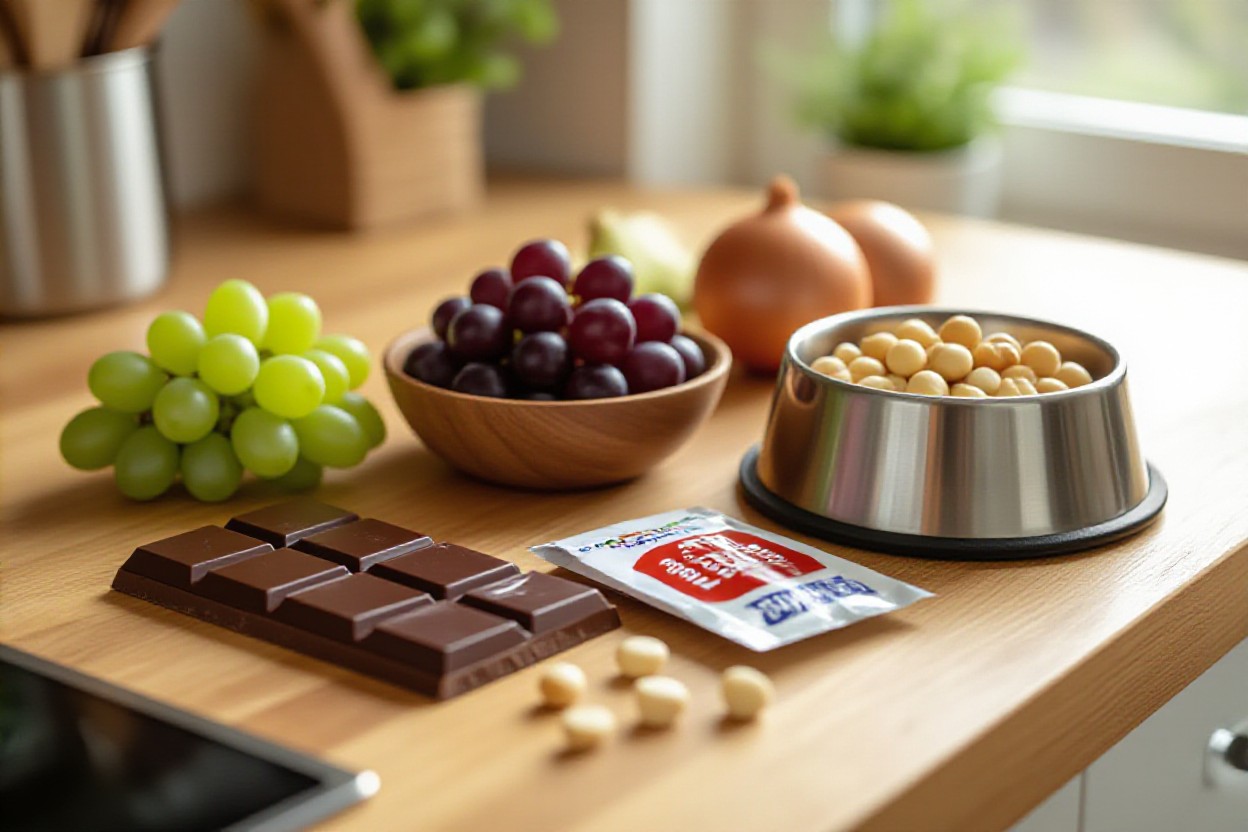
5 Foods to Never Feed Your Dog
It’s easy to share scraps, but you need to know which human foods can cause severe harm; this post identifies five common items-chocolate, xylitol, grapes/raisins, onions/garlic, and alcohol-that can trigger poisoning, organ failure, or dangerous reactions, explains signs to watch for, and tells you when to seek immediate veterinary care to protect your dog’s health.
The Risks of Feeding Your Dog Human Food
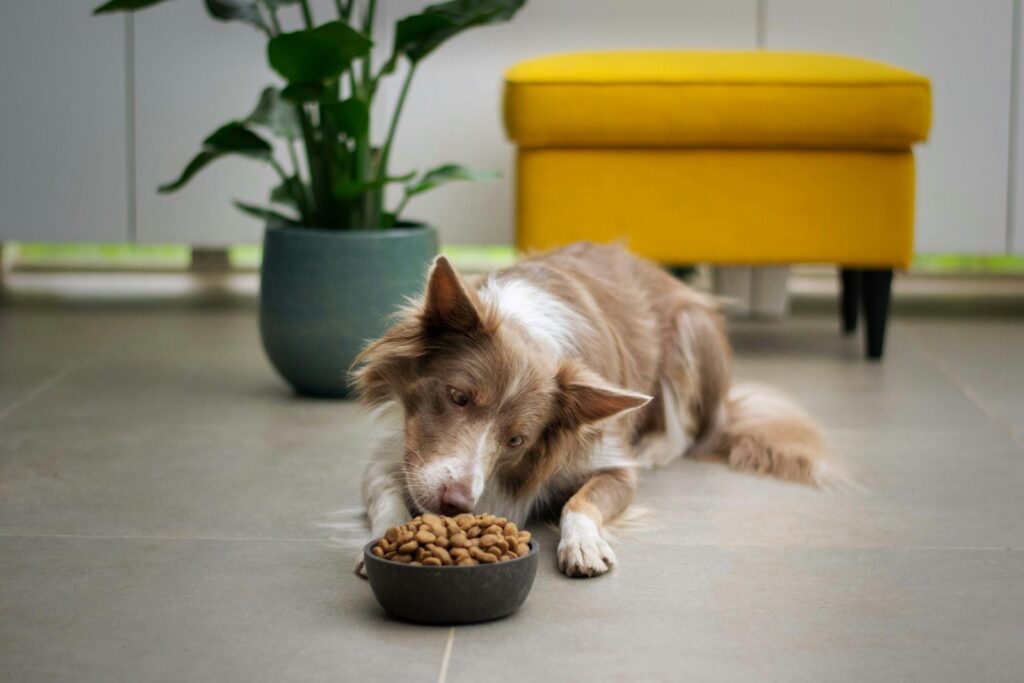
The easy temptation to share your plate can put your dog at serious risk: many human foods contain fats, salts, spices, artificial sweeteners, or toxic compounds that cause digestive upset, pancreatitis, organ damage, or life-threatening reactions. You should avoid guessing what is safe and consult your veterinarian before offering people food.
Understanding Canine Digestion
With a shorter gastrointestinal tract and different enzyme balance than yours, your dog processes foods differently; items safe for people can ferment, block, or poison their system, and their liver and kidneys may be unable to clear certain compounds. Knowing this helps you choose appropriate treats and prevents serious illness.
Common Symptoms of Food Toxicity
Your dog may show vomiting, diarrhea, drooling, abdominal pain, lethargy, tremors, seizures, or sudden changes in breathing or behavior after ingesting toxic food; even mild signs warrant prompt veterinary advice because symptoms can escalate rapidly.
Feeding your dog chocolate, xylitol, grapes, onions, garlic, or fatty table scraps can produce specific patterns – chocolate causes hyperactivity and tremors, xylitol triggers rapid hypoglycemia, grapes and raisins cause kidney failure, and onions damage red blood cells – so if you suspect ingestion you must act quickly and contact your vet or emergency clinic.
The Top Five Foods to Avoid
Some foods that seem harmless can cause severe illness or death in dogs; this guide highlights five you should never feed your pet, explains the typical symptoms, and tells you what to do if exposure occurs so you can protect your dog and act fast.
Chocolate: The Sweet Poison
Five forms of chocolate vary in toxicity, with dark and baking chocolate posing the greatest danger; if your dog swallows chocolate, watch for vomiting, diarrhea, hyperactivity, tremors, or seizures and contact your veterinarian immediately for guidance.
Grapes and Raisins: A Silent Threat
Silent but deadly, grapes and raisins can trigger sudden kidney failure in dogs even in tiny amounts; if your dog eats any, you should seek veterinary advice right away and monitor for vomiting, lethargy, decreased urination, or abdominal pain.
Avoid feeding table scraps, trail mixes, or baked goods that may contain grapes or raisins; toxicity is unpredictable across breeds and sizes, so prompt decontamination and testing of kidney function are necessary if exposure occurs and you should act quickly.
Onions and Garlic: A Hidden Hazard
Foods in the Allium family, including onions and garlic, damage canine red blood cells and can cause anemia; both raw and cooked forms are harmful, so prevent access and seek veterinary care if you notice weakness, pale gums, rapid breathing, or dark urine.
Raisins aside, when it comes to onions and garlic you should know that repeated low‑level exposure from seasoning, baby food, or table scraps can accumulate and cause delayed anemia, so have your dog evaluated if you suspect ingestion.
Avocado: The Unexpected Risk
Silent in appearance, avocado contains persin and has high fat that can lead to gastrointestinal upset and pancreatitis in dogs; you should avoid giving avocado flesh, skin, or pits and consult your vet if your dog shows vomiting or abdominal discomfort.
Avocado pits pose choking and intestinal obstruction risks and can worsen symptoms if swallowed; you should also avoid guacamole because added ingredients like onion or garlic increase danger and complicate treatment.
Xylitol: The Sweetener That Kills
Risk from xylitol is immediate and severe: this artificial sweetener causes rapid insulin release in dogs, leading to hypoglycemia and liver failure; check ingredient labels on gum, baked goods, peanut butter, and toothpaste and seek emergency care if ingestion occurs.
With even small amounts, your dog can develop tremors, collapse, or seizures within hours, so obtain veterinary attention quickly, bring product packaging to aid treatment, and keep xylitol‑containing items well out of reach.
Alternative Healthy Treats for Your Dog
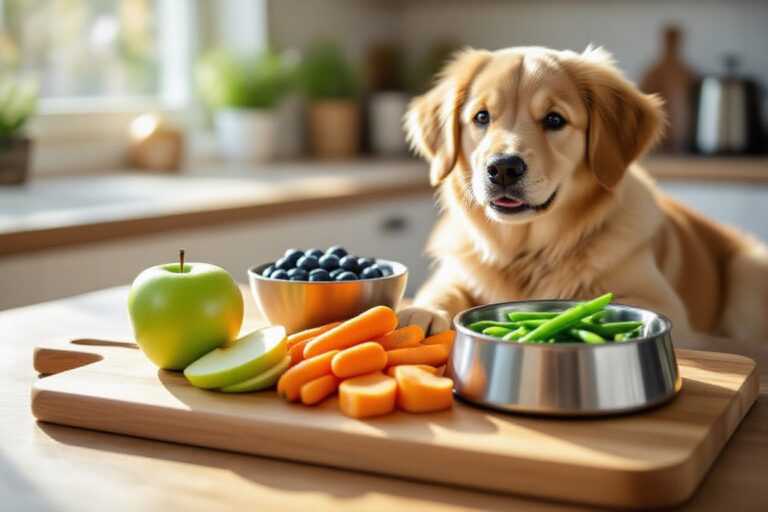
Despite the risks you’ve read about, you can offer safe alternatives such as plain cooked lean meats, small apple slices with seeds removed, steamed carrots or green beans, plain yogurt, and frozen banana or pumpkin cubes; adjust portion sizes to your dog’s weight and activity level, and consult your veterinarian if your dog has allergies or dietary restrictions.
Safe Fruits and Vegetables
The safest choices include apples without seeds, bananas in moderation, blueberries, carrots, green beans, cooked sweet potato, and plain pumpkin; avoid grapes, raisins, onions, garlic, and any fruit pits, and introduce new produce gradually so you can watch for digestive upset or sensitivities in your dog.
Recommended Dog Treat Brands
Below are reputable brands you can consider: Zuke’s, Wellness, Blue Buffalo, Merrick, and Natural Balance, which offer limited-ingredient and grain-free options; always read labels for real meat sources, minimal additives, and treat sizes appropriate for your dog’s age and breed.
In fact, when selecting treats you should prioritize single-protein or limited-ingredient formulas, low-calorie options for weight management, and avoid xylitol or artificial dyes; factor treats into your dog’s daily calorie intake and choose textures (soft for puppies, dental for adults) that suit your dog’s needs.
How to Educate Others on Dog Food Safety
Now you should lead by example: model safe feeding habits, cite veterinary sources, and correct misinformation calmly when you see it; use clear, simple language and visuals so owners can quickly identify hazardous foods and know when to seek emergency care.
Importance of Awareness
Safety for your dog depends on awareness: teach family and visitors which human foods are toxic, explain symptom timelines, and encourage prompt veterinary contact; consistent messaging reduces accidental exposures and improves outcomes.
Sharing Information with Dog Owners
Above all, you should share practical steps: post lists of banned foods, demonstrate safe substitutions, and offer emergency contact info so owners can act immediately if ingestion occurs.
Owners benefit when you offer tailored advice: give feeding alternatives, outline immediate steps after ingestion, provide vet and poison control contacts, and follow up so you ensure they feel prepared and supported.
Emergency Response: What to Do if Your Dog Ingests Toxic Food
After your dog swallows a suspect food, act quickly: remove remaining food, note what and how much your dog ate, and keep them calm and contained. Call your veterinarian or animal poison control immediately with details; induce vomiting only if a professional instructs you. Bring packaging or photos, monitor breathing and consciousness, and transport promptly if directed. Fast action reduces absorption and improves outcomes.
Signs to Watch For
Before you assume small amounts are safe, watch for vomiting, diarrhea, drooling, tremors, lethargy, difficulty breathing, seizures, abdominal pain, increased heart rate, pale gums, or collapse. Onset can be immediate or delayed depending on the toxin. Note timing and progression for the vet and keep your dog calm and supervised until you get professional advice.
When to Call the Vet
Response: Call your vet or an emergency clinic immediately if your dog shows severe signs (breathing trouble, seizures, collapse), ingested a known toxic food (xylitol, chocolate, grapes, macadamia nuts, onions), or you’re unsure about the substance or amount. If advised, contact animal poison control and follow instructions precisely; don’t wait for symptoms if the risk is high.
Also provide the vet with your dog’s weight, the food name and quantity, time of ingestion, and any medications your dog takes; have a photo or the packaging ready. While en route, keep your dog warm and quiet, avoid home remedies or inducing vomiting unless directed, and follow emergency staff instructions on arrival.
Conclusion
Following this guide, you must never feed your dog chocolate, xylitol-containing products, grapes or raisins, onions and garlic, or alcohol; each can trigger severe, sometimes fatal reactions, so if your dog ingests any of these, contact your veterinarian immediately to protect your pet’s health.