
Weight Management for Pets: Preventing Obesity Through Diet and Routine
Learn how to manage your pet’s weight with simple diet tips and daily routines. Prevent pet obesity and help your furry friend live a longer, healthier life.
Many dogs show subtle signs of food allergy, and you can learn to recognize them by monitoring patterns such as chronic itching, recurrent ear infections, gastrointestinal upset, and skin lesions; keeping a food diary, consulting your veterinarian, and using elimination diets systematically will help you identify the trigger and restore your dog’s comfort. Understanding Food…
Many cat owners underestimate how diet shapes your cat’s digestion, skin and coat condition, and daily energy levels; feeding balanced protein, crucial fatty acids, fiber and hydration supports healthy stool, shiny fur, and sustained activity. You can evaluate food labels, adjust portions to life stage and weight, and consult your veterinarian to tailor nutrition that…
Pets depend on you to choose safe foods; this guide explains which human foods are appropriate for dogs and cats, which are toxic, and how to serve safe options responsibly. You’ll learn portion guidance, signs of food-related illness, and practical swaps to keep your companions healthy while avoiding common hazards like chocolate, grapes, onions, garlic,…
Nutrition determines how proteins supply amino acids for tissue repair and growth, fats provide concentrated energy and important fatty acids, and carbohydrates offer readily available fuel and fiber for digestion; understanding these roles helps you evaluate ingredient lists, balance meals for life stage and activity level, and spot signs of imbalance so your pet maintains…
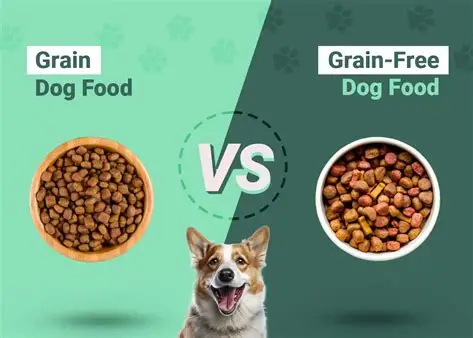
Many pet owners question whether grain-free diets are truly safer for your dog or cat; this post gives clear, evidence-based guidance. You’ll learn what grain-free formulas replace grains with, potential benefits, documented risks (including associations with certain heart conditions), and common myths, so you can confidently evaluate if grain-free is right for your pet. Understanding…
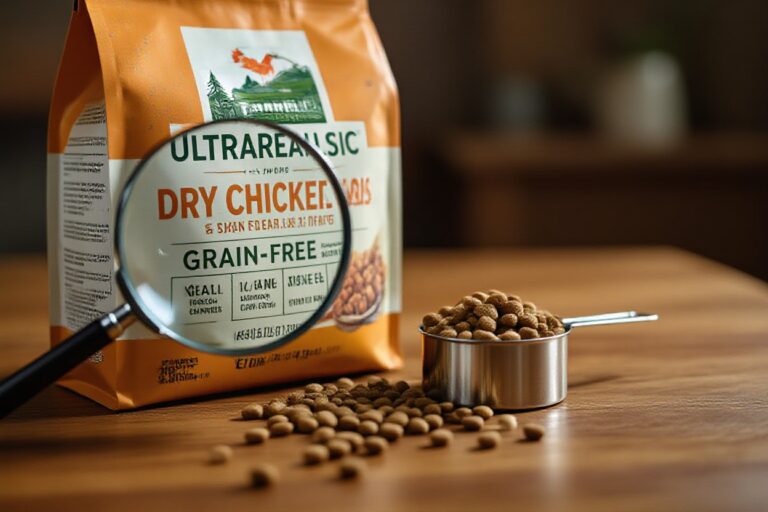
Many pet owners find labels overwhelming, but you can systematically evaluate ingredient lists to identify real meat sources, interpret the guaranteed analysis to understand protein, fat, fiber and moisture levels, and scrutinize claims like “natural,” “complete and balanced,” or breed-specific marketing so you can select a diet that matches your pet’s life stage, size, and…
There’s a national model system-developed by AAFCO-that defines pet food nutrient profiles, ingredient labeling, and feeding trial claims so you can evaluate products with confidence; understanding these standards helps you check whether a formula meets your pet’s life stage, interpret labels like “complete and balanced,” and spot marketing that lacks substantiation. This guide breaks down…
Many pet owners rely on a balanced diet and informed choices to supply your dog or cat with daily vitamins and minerals like vitamins A, D, E, B-complex and K, plus calcium, phosphorus, magnesium, iron, zinc and selenium; these nutrients support energy, immune and nervous function, bone and skin health, and reproduction. You should assess…