
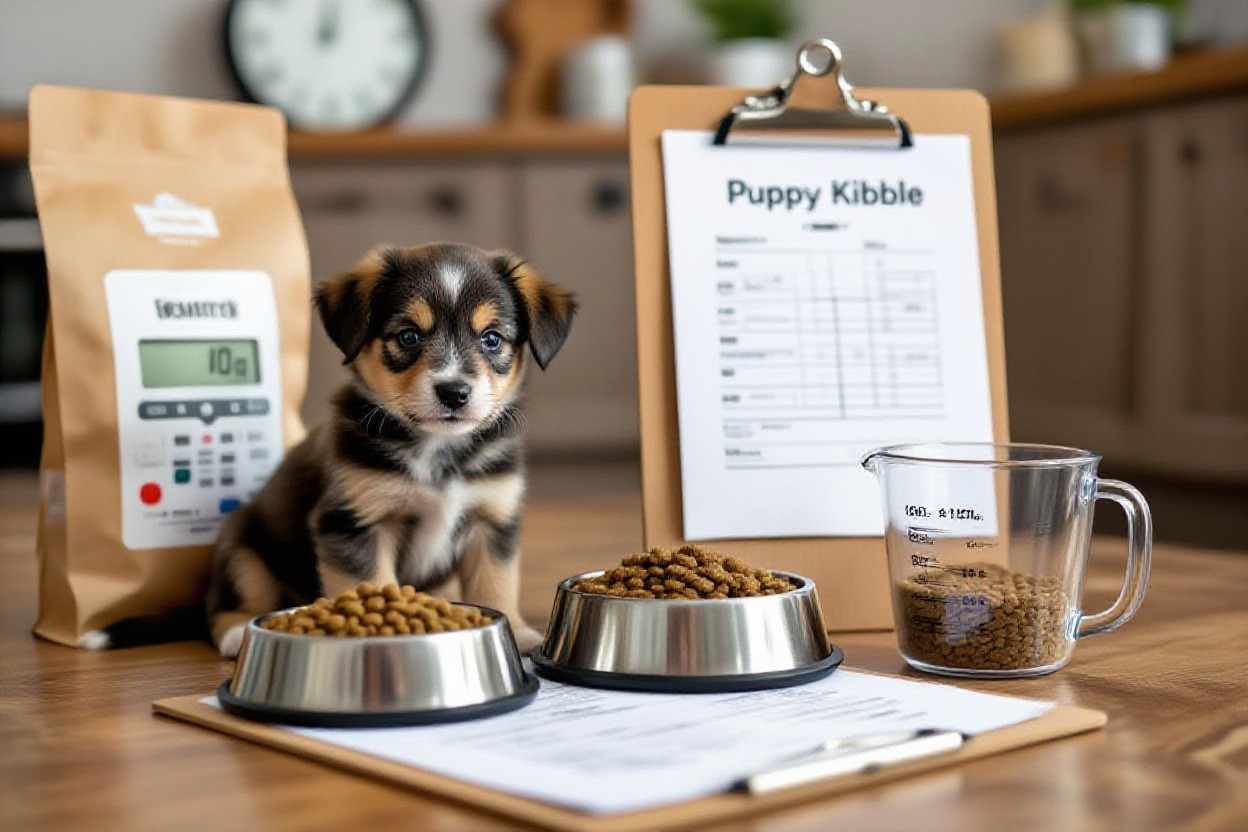
Puppy Feeding Guide: How Often and How Much to Feed Your Puppy
Most puppy owners need clear, evidence-based guidance on feeding frequency and portions; this guide explains practical age-based schedules, portion ranges, and how to adjust for breed, weight, and activity so you can support healthy growth and maintain your puppy’s ideal body condition.
Understanding Puppy Nutrition

Before you set feeding schedules, understand that puppies need more calories and a balanced mix of protein, fat, carbohydrates, vitamins and minerals to fuel rapid growth, immune development and brain maturation. Choose age-appropriate, AAFCO-complete puppy diets, monitor body condition, and adjust portions based on your puppy’s weight, activity level and veterinary advice.
Nutritional Requirements for Different Breeds
Behind breed differences, growth rate and adult size dictate nutrient balance: large-breed puppies benefit from controlled calorie and calcium intake to support steady bone development, while small breeds need higher calorie density and frequent meals to maintain blood sugar. Use breed-specific feeding charts and consult your vet to tailor portion size and meal frequency to your puppy’s needs.
Essential Nutrients for Healthy Growth
At the core of puppy diets are high-quality animal proteins for muscle and tissue repair, fats (including DHA) for energy and brain development, and a balanced calcium-to-phosphorus ratio for healthy bones; adequate vitamins, minerals and fiber support immunity and digestion, while fresh water is indispensable for every stage of growth.
Further focus on ingredient quality: prioritize named meat sources, omega-3 fatty acids, and digestible carbohydrates; avoid excess fillers and inappropriate mineral levels that can harm growth. You should track weight gains, adjust food quantity as your puppy matures, and work with your veterinarian to fine-tune nutrient targets for optimal long-term health.
Feeding Schedules
One consistent schedule helps you regulate your puppy’s digestion, support healthy growth, and prevent overeating; feed multiple small meals daily and adjust portions as your puppy matures while monitoring weight, activity, and appetite.
Frequency of Feedings by Age
To follow age-appropriate frequency, feed neonatal puppies every 2-3 hours, 3-4 week pups 4-6 times daily as they wean, 8-12 week puppies 3-4 times, then reduce to twice daily by six months, adjusting for breed, size, and activity with guidance from your vet.
Transitioning to Adult Feeding Routines
An intentional, gradual shift over 1-2 weeks from puppy to adult food and fewer meals helps you avoid digestive upset; reduce meal frequency, increase portion size proportionally, and monitor your puppy’s body condition and stool.
This transition should use a slow mix: replace 25% of your puppy’s food with adult kibble every 3-4 days, watch for changes in appetite, stool, or energy, and adjust the pace if you see loose stools or weight loss; contact your vet if issues persist.
Portion Control
Assuming you follow the food label and your vet’s guidance, split daily calories into age-appropriate meals, weigh portions with a kitchen scale, and monitor your puppy’s body condition score to adjust amounts; overfeeding causes excess fat and growth issues, while underfeeding slows development.
Measuring Food Portions Accurately
One reliable method is to use a digital kitchen scale and a calibrated measuring cup for your specific food, weigh dry kibble by grams, log portions for a week, then adjust based on your puppy’s weight trends and activity to reach the recommended calorie target.
Adjusting Portions Based on Activity Level
To match your puppy’s energy needs, increase portions modestly during growth spurts or intense play and reduce intake during rest or recovery, making changes gradually over several days and consulting your vet if weight shifts more than about 5%.
In fact, high-energy breeds and working puppies may need 10-20% more calories, while less active or recently neutered puppies often need less, so track weight weekly and use body condition scoring to guide small incremental changes that help you support steady, healthy growth.
Choosing the Right Food
Many factors determine the best puppy diet for your dog, including breed size, activity level and life stage; choose a puppy formula labeled complete and balanced by AAFCO, with real animal protein listed first, appropriate calorie density, and formulas tailored for small, medium or large breeds. Consult your veterinarian for growth and weight targets, feeding schedule, and to screen for food sensitivities to ensure your puppy thrives.
Dry vs. Wet Puppy Food
By weighing benefits and needs you can decide which format suits your puppy: dry kibble offers convenience, dental abrasion and longer shelf life, while wet food increases hydration and palatability for selective eaters. You can safely mix formats to balance calories and texture, but monitor stool, weight and portion sizes when switching, and consult your vet if your puppy has dental issues or special dietary requirements.
Ingredients to Look For and Avoid
With ingredients you should prioritize named animal proteins (chicken, beef, lamb, fish) as the first ingredient, digestible carbohydrates, DHA for brain development, omega fatty acids, and added vitamins, minerals and probiotics for gut health; avoid formulas heavy in unnamed meat meals, excessive fillers, added sugars, artificial colors or synthetic preservatives that provide little nutritional value.
In fact you should read the guaranteed analysis and ingredient order to compare protein, fat and calorie density so you feed accurate portions; look for DHA, named animal protein rather than vague “meat” labels, minimal added salt and sugar, and beneficial additions like omega oils and probiotics. If your puppy has allergies or sensitivities, you and your vet can trial limited-ingredient or novel-protein diets to find the best match.
Common Feeding Mistakes
Once again you must avoid inconsistent portions, free-feeding, inappropriate food for your puppy’s life stage, and feeding too many human snacks; these habits disrupt growth, digestion, and training. You should follow portion guidelines, track weight, and keep a consistent schedule so your puppy develops steady eating habits and healthy development.
Overfeeding vs. Underfeeding
About striking the right balance: overfeeding leads to excess weight and joint strain while underfeeding stunts growth and reduces energy. You should feed by age and breed recommendations, assess body condition regularly, adjust portions gradually, and consult your vet if growth or appetite patterns worry you.
Ignoring Puppy’s Hunger Cues
Above ignoring your puppy’s hunger cues can create anxiety, scavenging, or compensatory overfeeding. You should learn to read signals like focused pacing, whining, or sniffing the bowl, and respond with measured meals rather than ad hoc treats to support routine and behavioral stability.
With careful observation you can tell true hunger from attention-seeking: true hunger is consistent before mealtimes and focused, while attention-seeking is erratic and tied to your activity. You should track feeding times, measure portions, note weekly weight, and adjust meals based on growth and behavior; consult your vet for persistent concerns.
Signs of a Healthy Puppy

To spot a healthy puppy, observe bright eyes, clean ears, a glossy coat, steady weight gain, playful energy, regular digestion, and a strong appetite; you should see responsive behavior, normal breathing, and elastic skin when gently pinched. These indicators show your feeding routine and care support growth and overall wellbeing.
Weight Management Tips
Management:
- Weigh your puppy weekly to monitor trends rather than single readings.
- Follow feeding guidelines and adjust portions for activity and growth stages.
- Measure food, limit table scraps, and use low-calorie rewards during training.
Recognizing gradual changes allows you to correct portions or consult your vet before problems develop.
Behavioral Indicators of Good Nutrition
Nutrition: You’ll notice consistent energy for play and training, good concentration during sessions, calm rest periods, and quick recovery after exercise; these behaviors indicate your puppy’s diet meets metabolic and developmental needs and supports learning and socialization.
The behavioral signs also include steady appetite, interest in regular meals, and predictable sleep-wake cycles; if your puppy is alert, engages with you, learns new commands, and returns to quiet rest, you can be confident your feeding plan supports healthy brain and body development.
Final Words
To wrap up, you should base feeding frequency and portion size on your puppy’s age, breed and activity level, following the food label and your veterinarian’s guidance. Monitor body condition, adjust meals gradually, keep a consistent schedule, and provide fresh water. With attentive portioning and periodic weight checks you’ll support steady growth and long-term health for your dog.