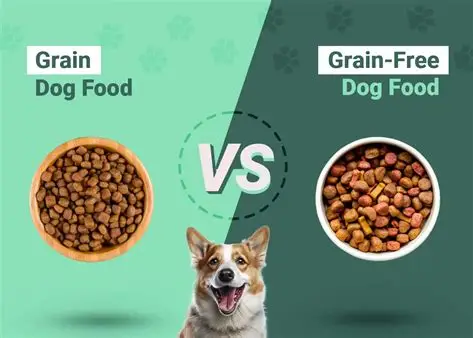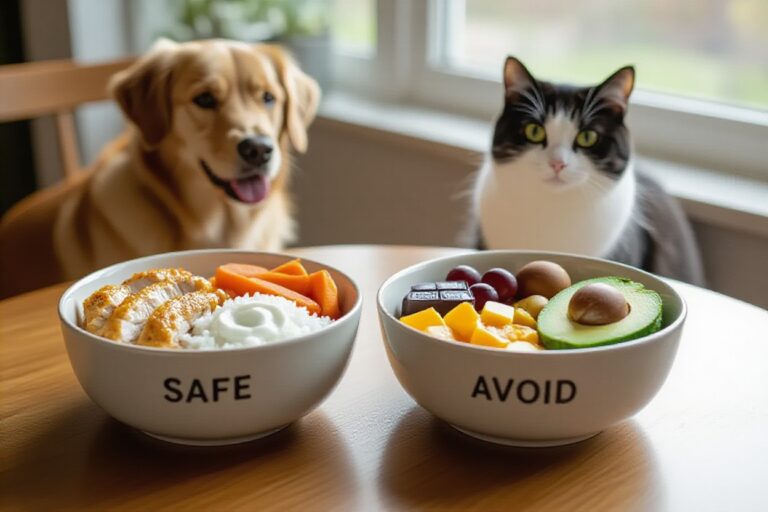

Is Grain Free Pet Food Safe? Benefits, Risks, and Myths
Many pet owners question whether grain-free diets are truly safer for your dog or cat; this post gives clear, evidence-based guidance. You’ll learn what grain-free formulas replace grains with, potential benefits, documented risks (including associations with certain heart conditions), and common myths, so you can confidently evaluate if grain-free is right for your pet.
Understanding Grain-Free Diets
Your choice to explore grain-free pet food reflects concerns about ingredients and health; these diets exclude common cereal grains like wheat, corn, and rice, substituting tubers, legumes, or higher animal protein levels, and you should evaluate whether the formulation meets your pet’s nutritional needs and veterinary guidance.
What is Grain-Free Pet Food?
Diets labeled grain-free remove traditional cereal grains and replace them with alternatives such as potatoes, peas, or increased meat content, and you should understand this is a formulation choice rather than an automatic solution for allergies or overall health.
Common Ingredients in Grain-Free Formulas
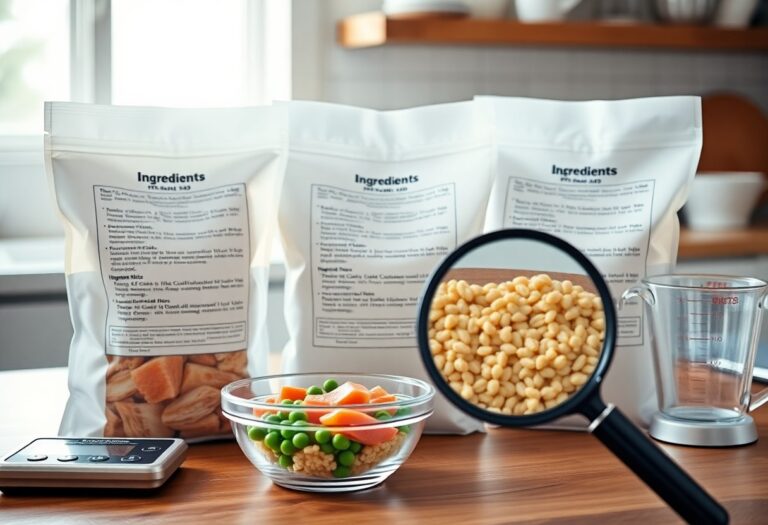
On grain-free ingredient panels you’ll frequently see legumes (peas, lentils), tubers (sweet potatoes, potatoes), alternative seeds or pseudo-cereals (quinoa), and higher proportions of animal proteins, so you should check nutrient balance and potential sensitivities for your pet.
GrainFree recipes often rely heavily on pulses for carbohydrate and protein content, which can alter digestibility, affect amino acid balance (including taurine availability), and change glycemic response; you should monitor your pet for digestive or energy changes and consult a veterinarian about nutrient completeness and any breed- or age-specific concerns.
Potential Benefits of Grain-Free Pet Food
While grain-free diets can reduce exposure to common carbohydrate allergens and provide higher-quality proteins, you may see improved coat condition, energy levels, and easier weight control when your pet genuinely needs fewer grains; however you should evaluate ingredient quality and your pet’s individual needs with your veterinarian before switching.
Improved Digestion
Food free of wheat, corn, or soy can ease digestive upset for pets sensitive to those ingredients, helping you notice firmer stools, less gas, and reduced vomiting; still you should monitor your pet closely and consult your vet if symptoms persist.
Enhanced Nutritional Value
Any grain-free formula often replaces grains with legumes, tubers, or extra meat, so you may get higher protein and concentrated nutrients that support muscle mass and activity levels; check guaranteed analyses and ensure your pet’s diet remains balanced for life stage needs.
Another consideration is bioavailability: you want ingredients that deliver usable amino acids, omega-3s, and micronutrients, and you should verify the manufacturer uses complete formulations or consult your vet to avoid nutrient imbalances (for example taurine or amino acid deficiencies) that can affect heart and overall health.
Risks and Concerns
Some grain-free diets carry risks that you need to weigh, including nutrient imbalances, higher fat or sodium levels, and ingredient substitutions that may affect digestion or long-term health; consult your veterinarian about suitability, ingredient quality, and whether bloodwork or monitored transitions are needed for your pet.
Link to Dilated Cardiomyopathy (DCM)
An association has been reported between certain grain-free formulas-especially those high in legumes or atypical proteins-and increased cases of dilated cardiomyopathy in dogs; if you notice weakness, coughing, fainting, or changes in appetite, you should share diet details with your vet and consider cardiac screening and taurine testing for your dog.
Nutritional Deficiencies
For some pets, grain-free options can result in nutritional shortfalls when recipes aren’t properly balanced, leaving you to risk deficiencies in taurine, imperative amino acids, or trace minerals; ensure the brand provides AAFCO-compliant formulations and consult your vet to confirm the diet meets your pet’s life stage needs.
Plus, ingredient swaps common in grain-free diets can alter nutrient bioavailability and gut microbiome responses, so you should closely monitor your pet’s weight, coat, stool quality, and energy, and request diet analyses or blood tests from your veterinarian if you suspect your pet isn’t thriving on a grain-free formula.
Myths About Grain-Free Pet Food
Keep in mind that many claims about grain-free diets are oversimplified; you should assess your pet’s individual needs rather than accept marketing. Grain-free labels don’t automatically mean hypoallergenic, more nutritious, or safer for every animal; you need evidence and a vet’s guidance.
All Pets Need Grain-Free Diets
Across pets, grain-free is not universally required; only a small number have true grain allergies. You should only switch if diagnostic testing or a vet-guided trial indicates grains cause issues; otherwise balanced diets with grains often meet your pet’s nutritional needs affordably.
Grain-Free is Always Healthier
Pets fed grain-free aren’t inherently healthier – nutritional balance matters more than ingredient absence. You must check that the formula provides important amino acids, vitamins, minerals, and appropriate fatty acids; otherwise purported benefits can be outweighed by deficiencies or imbalanced nutrient profiles.
Understanding the nuance means you evaluate ingredient quality, guaranteed analysis, and how the diet fits your pet’s life stage and health status. Ask your vet about taurine and cardiac monitoring when considering grain-free options, review third‑party testing if available, and prioritize evidence over label claims.
Evaluating Pet Food Labels
Now, when evaluating pet food labels you should examine the AAFCO statement, guaranteed analysis, ingredient list order, feeding instructions, and manufacturer contact info; these elements help you determine nutrient adequacy, portion sizes, and traceability so you can choose foods aligned with your pet’s life stage and health needs.
Reading Ingredients
Beside brand claims, focus on ingredient order, named protein sources (chicken, beef), absence of vague fillers, and recognizable whole foods; this helps you assess digestibility, protein quality, and potential allergens for your pet.
Recognizing Quality in Pet Food
On recognizing quality, look for a named first ingredient, clear sourcing, minimal fillers, a complete-and-balanced AAFCO statement or feeding-trial results, and a manufacturer that publishes safety testing-these signs help you judge nutritional value and reliability.
Labels should display batch codes, manufacturing location, best-by dates, and links to third-party testing or recall histories so you can verify freshness, traceability, and independent quality checks before buying.
Veterinary Perspectives on Grain-Free Diets

Despite ongoing debate, many veterinarians warn you that grain-free diets aren’t inherently safer; they evaluate your pet’s full nutrient profile, medical history, and risk for dilated cardiomyopathy (DCM). You should expect assessment of taurine status and cardiac function before a long-term switch, and your vet may recommend grain-free only for confirmed grain intolerance, with follow-up testing to ensure your pet’s diet remains balanced and heart-healthy.
Professional Recommendations
Around professional organizations and board-certified nutritionists, guidance stresses assessing the whole diet rather than single ingredients. You should consult your veterinarian before changing formulas, prioritize brands with complete, AAFCO-compliant formulations, and consider taurine testing and cardiac screening for at-risk breeds; if you proceed with grain-free feeding, schedule regular follow-up exams and bloodwork to monitor your pet’s response.
Case Studies and Research Findings
Diets implicated in reports often contained high levels of peas, lentils, or potatoes and coincided with clinical DCM cases; you should note that investigations and case series prompted concern but yielded variable outcomes. Representative findings and sample sizes are listed below to illustrate the evidence base.
- FDA investigation (reported through 2019): ~560 reports of DCM-like heart disease in dogs and cats where many affected animals ate grain-free or pulse-rich diets; agency called for more research.
- Clinic case series (n=30 dogs): ~70% demonstrated echocardiographic improvement within 3-6 months after switching diet and initiating taurine supplementation; ~30% had partial or no recovery.
- Retrospective analysis (n=119 dogs): higher odds of DCM-like diagnoses among dogs fed pulse-rich grain-free diets versus traditional diets after adjusting for some confounders, authors noted limitations.
- Small intervention study (n=12): taurine concentrations rose and clinical signs improved in 8 dogs within months after dietary correction and supplementation.
Further, you should understand that studies differ in size and methodology, so veterinarians interpret these data alongside clinical judgment; ongoing prospective research aims to clarify causation and risk modifiers for your pet. Additional case summaries with numbers and outcomes are below.
- Multicenter review (aggregate n≈400-500): signaled association between certain grain-free formulations and DCM reports, but recommended prospective controlled trials to determine causality.
- Breed-focused series (Golden Retrievers, n=24): ~80% improved clinically and on imaging after diet change plus taurine in the reported cohort, suggesting reversible cases when identified early.
- Longitudinal monitoring (n=45 taurine-deficient dogs): ~76% regained normal taurine within 6 months of dietary adjustment and supplementation, correlated with clinical improvement in many cases.
Conclusion
Conclusively, you should view grain-free pet food as an option-not a universal cure; it can benefit pets with true grain sensitivities but offers no automatic advantage for all animals. You must weigh potential nutrient imbalances, cost, and unsettled questions about links to heart disease, and choose AAFCO-complete formulas with veterinary guidance to protect your pet’s long-term health.