Grain-Free Cat Food Explained: What It Means for Cats
With grain-free diets gaining attention, you need clear guidance to decide if they suit your cat; this post explains what “grain-free” means, how ingredient choices affect digestion and nutrition, and which medical or lifestyle factors may make a grain-free formula appropriate.
You will learn to read labels, weigh benefits versus risks, and discuss options with your veterinarian to ensure your cat’s diet supports long-term health.
What is Grain-Free Cat Food?
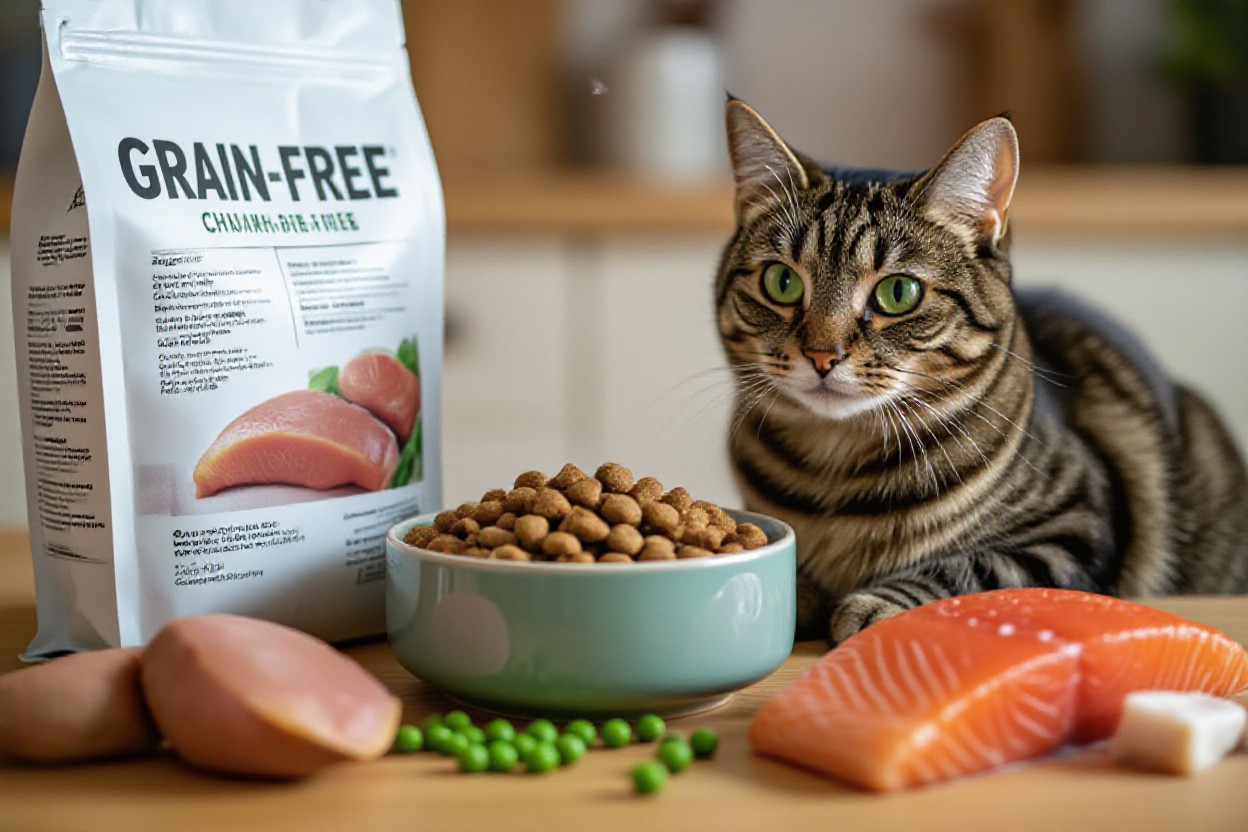
Before you choose grain-free cat food, know it removes cereal grains like wheat, corn, rice, and barley and replaces them with alternative carbs or higher proportions of animal protein and fats, aiming to reflect a carnivorous diet; it describes ingredients, not a guaranteed health improvement, so review labels and your cat’s needs.
Definition and Characteristics
By definition, grain-free formulas exclude grains and often emphasize animal proteins, novel proteins, legumes, tubers, and added fats; characteristics you should assess include guaranteed analysis, AAFCO statement, ingredient sourcing, processing methods, and whether the formulation meets your cat’s life stage and health requirements.
Common Ingredients Used
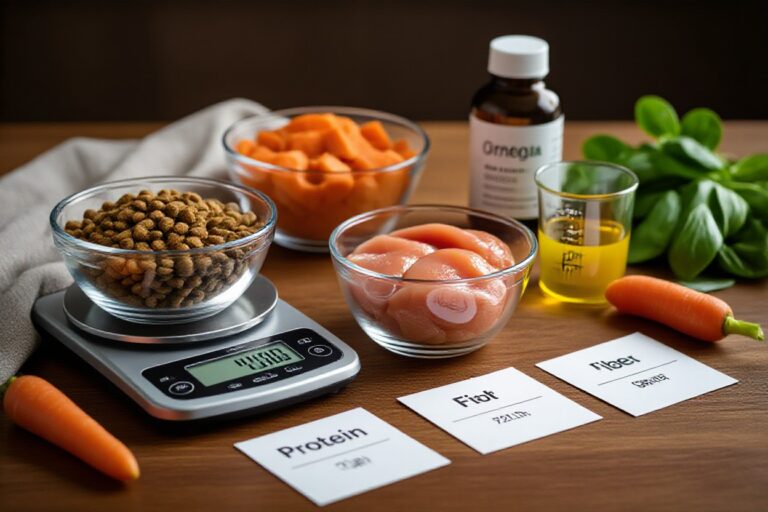
Ingredients commonly include named meat sources (chicken, turkey, fish), eggs, peas, lentils, potatoes, sweet potatoes, tapioca, and added vitamins, minerals, omega fatty acids, and taurine to meet nutritional needs; you should read labels to see which protein and carbohydrate sources are primary.
Used as grain alternatives, pulses and tubers provide fermentable fiber and protein but can vary in amino acid profiles and digestibility; some research has associated certain pulse-rich, grain-free diets with increased concern about heart health, so you should discuss diet changes with your veterinarian and prioritize formulations proven complete and balanced.
Nutritional Benefits of Grain-Free Diets
If you choose a grain-free cat food, you may provide a diet higher in animal-based proteins and lower in carbohydrate fillers, which better matches your cat’s obligate carnivore needs; this can support lean muscle, provide crucial amino and fatty acids, and reduce exposure to cereal-based allergens, but you should assess ingredient quality, nutrient balance, and life-stage appropriateness.
Protein Source and Quality
Below you should prioritize named animal proteins (chicken, salmon, lamb) and meals high on the ingredient list, since your cat needs bioavailable animal amino acids; minimal reliance on plant protein concentrates, clear fat sources, and a complete guaranteed analysis indicate higher-quality protein that supports energy, muscle maintenance, and coat health.
Digestive Health Considerations
Source selection affects your cat’s digestion: grain-free formulas often use alternative fibers (pumpkin, peas, beet pulp) and prebiotics that modify gut microbiota, so your cat may see improved stool quality or, conversely, sensitivity; introduce new diets gradually, monitor stool and appetite, and consult your vet for persistent diarrhea, vomiting, or weight change.
Health status guides your choice: if your cat has pancreatitis, inflammatory bowel disease, or small intestinal bacterial overgrowth, you should favour moderate-fat, easily digestible formulas, consider hydrolyzed or limited-ingredient options for suspected food reactions, and run diagnostic trials with veterinary supervision before committing long-term.
Potential Concerns and Misconceptions
Some people assume grain-free automatically means safer or healthier for your cat; you should evaluate ingredient quality, caloric density and individual needs. Grain-free diets can help cats with specific grain intolerances, but they are not universally superior and may alter nutrient balance. You should review labels and consult your veterinarian to ensure any diet meets your cat’s life stage and health needs.
Allergies vs. Sensitivities
Sensitivities to ingredients often cause digestive upset or skin irritation and are not the same as immune-mediated allergies; you should avoid assuming grains are the culprit. An elimination trial guided by your veterinarian can identify triggers, and your vet can recommend novel-protein or hydrolyzed diets and appropriate testing to determine whether a grain-free formula is the right approach for your cat.
Heart Disease and Grain-Free Diets
GrainFree diets were investigated for possible links to dilated cardiomyopathy (DCM), and you should be aware of reported associations without assuming causation. Some grain-free recipes use high levels of peas, lentils or novel proteins that may affect amino acid balance, including taurine availability. You should discuss diet changes with your veterinarian, especially if your cat has breed predispositions or cardiac symptoms.
But if you worry about heart disease, you should monitor for lethargy, coughing, exercise intolerance, rapid breathing or decreased appetite and provide your vet with a complete dietary history. Your veterinarian may recommend bloodwork, taurine level checks or cardiac imaging and will advise on diet transitions and monitoring to protect your cat’s cardiac and overall health.
Choosing the Right Grain-Free Cat Food
Now assess your cat’s age, activity level and any medical issues before choosing grain-free food; prioritize formulas with named animal proteins first, complete-and-balanced statements, appropriate calorie density, and minimal reliance on starchy substitutes; trial a small bag, monitor weight, coat, stool and energy, and select brands with transparent sourcing and consistent nutrient profiles to support your cat’s long-term health.
Reading Labels and Ingredients
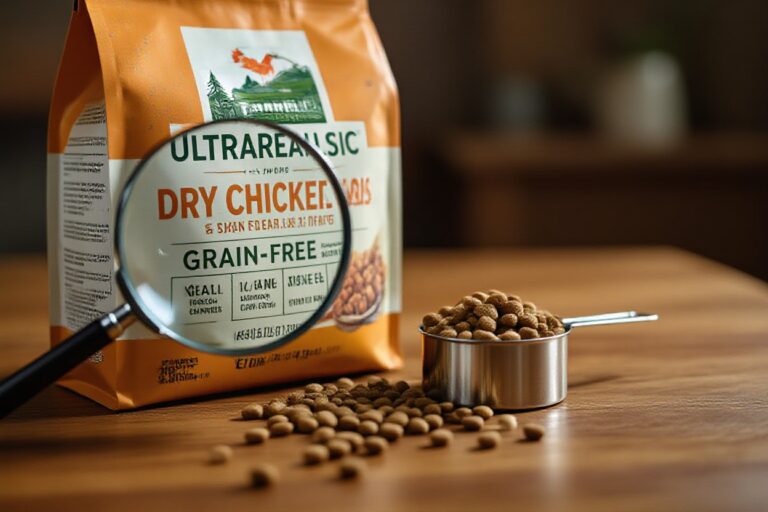
Along with the ingredient list, check the guaranteed analysis for protein and fat percentages, favor named meats (chicken, salmon), note moisture for wet food, and be wary of high-pea or potato content that raises carbohydrate load; verify an AAFCO statement and avoid vague terms like “meat meal” when you want clear, high-quality protein sources.
Consulting with Veterinarians
Behind any diet switch, consult your veterinarian so you and your vet can assess allergies, urinary or kidney status, body condition and any lab work before adopting a grain-free diet; coordinated guidance reduces risk and ensures the diet meets your cat’s specific needs.
In fact your vet can order bloodwork, suggest an elimination trial, recommend transition schedules, screen for conditions potentially linked in studies to certain grain-free formulas (such as cardiac or taurine-related concerns), and refer you to a veterinary nutritionist if a therapeutic or homemade plan is necessary to keep your cat healthy.
Transitioning to Grain-Free Diet
Many owners shift gradually over 7-14 days, slowly increasing grain-free food while reducing the old diet; you should watch appetite, stool consistency, weight and energy, preserve feeding routines, ensure access to fresh water, and consult your veterinarian if you see persistent diarrhea, vomiting or loss of appetite to adapt the plan safely.
Steps for a Smooth Transition
On a multi-day schedule, start with 25% grain-free mixed with 75% current food, increasing the grain-free proportion every 3-4 days; you should keep meal times consistent, offer small amounts to evaluate tolerance, avoid new treats or supplements during the switch, and stop or slow the progression if your cat shows prolonged digestive upset, contacting your vet for guidance.
Monitoring Your Cat’s Health
Against assuming immediate benefits, monitor your cat’s stools, weight, coat condition and behavior for several weeks; you should note vomiting, increased gas, itching or lethargy as reasons to pause the transition and consult your veterinarian for advice or testing to rule out food sensitivities or underlying illness.
Transition monitoring should include weekly weight checks and daily stool observations using a simple scale; you should photograph abnormal feces, record appetite and water intake, log any skin or respiratory signs, plan an 8-12 week elimination trial if you suspect food allergy, and seek immediate veterinary care for severe vomiting, swelling, difficulty breathing or rapid weight loss, especially in kittens and senior cats.
Popular Grain-Free Cat Food Brands
Keep evaluating brands for clear ingredient sourcing, named meat proteins, and formulations for life stage or sensitivities so you choose grain-free food that supports your cat’s health and digestion.
Overview of Top Brands
Before you buy, compare Orijen, Acana, Blue Buffalo, Wellness, and Purina Beyond for meat-first recipes, wet vs. dry options, and hypoallergenic lines so you match a brand to your cat’s age and health needs.
Price Comparisons and Value
By comparing cost per ounce with ingredient quality and protein percentage you can determine whether a premium brand delivers measurable benefits for your cat or if a mid-range option meets your budget.
Price vs Quality
| Orijen | You get very high meat ratio and higher price |
| Acana | You get regionally sourced meats with moderate-high price |
| Blue Buffalo | You get balanced formulas at mid price |
| Purina Beyond | You get affordable grain-free options with variable meat content |
Even when prices look similar, you should check guaranteed analysis, ingredient order, and processing claims to ensure your cat receives appropriate amino acids and digestibility.
Value Factors
| Protein source | You want named meats high on the ingredient list |
| Price per ounce | You use it to compare real cost across sizes |
| Legumes/starches | You assess them if your cat has sensitivities |
| Testing & standards | You prefer brands with feeding trials or clear AAFCO statements |
Conclusion
Summing up, grain-free diets eliminate cereals and emphasize animal-based proteins, which can help cats with specific sensitivities but are not automatically better for every feline; you should assess your cat’s health, life stage, and seek veterinary advice so your pet receives balanced, appropriate nutrition.