The Best Fruits and Vegetables for Dogs
It’s important to know which fruits and vegetables benefit your dog and which to avoid; this concise guide explains nutrient-rich options, safe serving sizes, and potential hazards so you can confidently introduce fresh produce into your dog’s diet while supporting overall health. Consult your veterinarian for specific recommendations tailored to your pet.
Nutritional Benefits of Fruits for Dogs
The variety of fruits offers concentrated nutrients, hydration, and low-calorie treats that support your dog’s health; they supply vitamins, natural sugars for energy, and beneficial phytonutrients that can aid digestion, immune function, and weight management when you offer them in appropriate portions and safe varieties.
Vitamins and Minerals
Behind many fruits are vitamins like A, C, K and folate, plus minerals such as potassium and magnesium that help your dog’s vision, skin, bone health, and electrolyte balance; you can use small fruit portions to complement a balanced diet, but they should not replace complete nutrition formulated for dogs.
Antioxidants and Fiber
Fiber in fruits supports healthy digestion, regular stools, and beneficial gut bacteria, while antioxidants in many fruits help neutralize free radicals; when you include fiber-rich options it can improve gut motility and help manage weight by adding bulk without excess calories.
Antioxidants such as vitamin C, beta-carotene and flavonoids protect your dog’s cells from oxidative stress, reduce inflammation, and support immune response; you should choose a variety of colorful fruits to provide a broad antioxidant profile, always serving appropriate amounts and avoiding toxic types.
Top Fruits Safe for Dogs
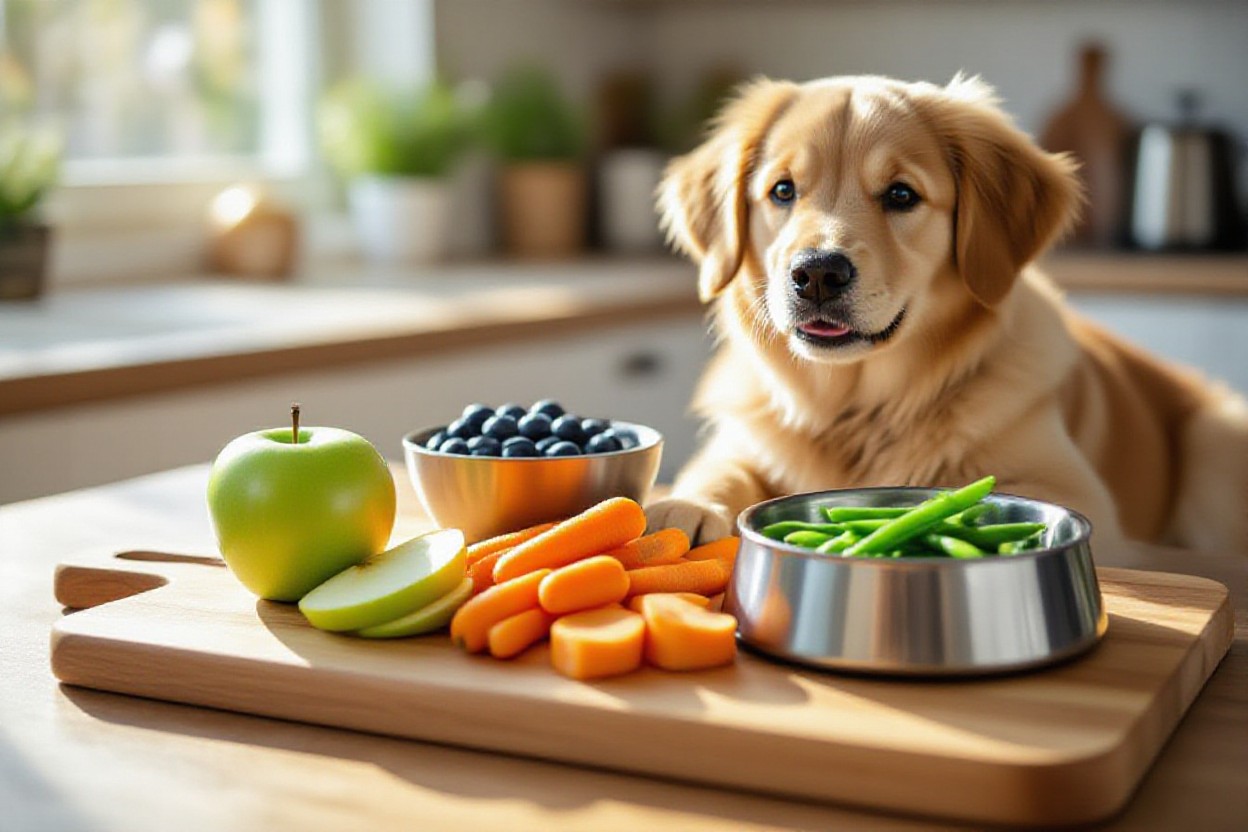
If you want to add healthy fruits to your dog’s diet, choose options that provide vitamins, fiber, and antioxidants while avoiding toxic pits and added sugars; safe choices include apples, blueberries, bananas, watermelon, and cantaloupe, offered in portion sizes appropriate for your dog’s weight and digestive tolerance.
Apples
Before offering apples to your dog, remove the core and seeds and cut into small pieces; apples supply fiber and vitamin C, can aid digestion, and make a crunchy, low-calorie treat when given in moderation as part of a balanced diet.
Blueberries
Between meals or training sessions, you can use blueberries as bite-sized, antioxidant-rich rewards that support cognitive health and provide low-calorie vitamins; offer fresh or frozen berries in small amounts suited to your dog’s size.
Also, limit portions to prevent stomach upset, avoid sweetened or dried berries, introduce them gradually to assess your dog’s tolerance, and consult your veterinarian if your dog has diabetes or a history of food sensitivities.
Nutritional Benefits of Vegetables for Dogs
You can boost your dog’s overall health with vegetables that supply low-calorie nutrients, antioxidants, and hydration; they support immune function, skin and coat, and help manage weight when offered appropriately as part of a balanced diet.
Vitamins and Minerals
At their best, vegetables like sweet potatoes, carrots, and spinach deliver vitamins A, C, and K plus potassium and iron, giving your dog antioxidant support, healthy vision, and cellular function when fed in appropriate portions.
Fiber and Digestive Health
Vitamins and fiber-rich vegetables such as pumpkin, green beans, and peas aid stool bulk, moderate transit time, and support beneficial gut bacteria, helping your dog maintain regular digestion and healthy bowel movements.
But too much insoluble fiber can cause gas or loose stools; introduce fibrous vegetables gradually, monitor your dog’s response, adjust portions by size and activity, and ensure your dog drinks enough water so fiber aids rather than disrupts digestion.
Top Vegetables Safe for Dogs
Keep a selection of dog-safe vegetables like carrots, green beans, pumpkin, and sweet potatoes available to boost your pet’s vitamin and fiber intake; offer them plain, cooked or raw as appropriate, in small, measured portions to support digestion and weight control while avoiding onions, garlic, and heavy seasonings that can harm your dog.
Carrots
Before giving carrots to your dog, wash and peel them if needed, then slice into bite-sized sticks or rounds; raw carrots offer low-calorie crunch and vitamin A, while lightly steamed carrots are gentler on sensitive stomachs-serve them in moderation as a healthy treat or training reward.
Sweet Potatoes
On their own, cooked sweet potatoes are an excellent source of fiber and beta-carotene for your dog; serve plain, without butter, sugar, or spices, and mash or cube to suit your dog’s size and chewing ability to reduce choking risk.
Plus, monitor portion sizes-small dogs can have a tablespoon or two, larger dogs a few tablespoons-because sweet potatoes are starchy and can contribute to weight gain if overfed; avoid canned sweet potatoes with added sugars and introduce them gradually to check for any digestive upset or food sensitivity in your dog.
How to Introduce Fruits and Vegetables to Your Dog?
Not all human produce is appropriate for your dog; introduce fruits and vegetables gradually, offering small amounts and watching for digestive upset or allergic reactions. Begin with single-item trials, feeding a teaspoon to a tablespoon depending on size, wait 24-48 hours, and observe stool, energy, and appetite. Prioritize low-sugar, low-fat choices and avoid toxic items. If your dog has health issues, consult your veterinarian before adding new foods.
Portion Control
Before offering any fruit or vegetable, assess your dog’s calorie needs and limit treats to under 10% of daily calories; adjust portion sizes by weight-teaspoons for small dogs, tablespoons for medium, and a few tablespoons for large breeds. Track total intake, avoid added sugars or oils, and stop if you notice vomiting, diarrhea, or changes in behavior. Consult your veterinarian for personalized guidance.
Preparation Tips
Fruits should be thoroughly washed, peeled when necessary, pitted, and cut into appropriate sizes to prevent choking; avoid added sweeteners or sauces.
- Wash to remove pesticides and waxes.
- Remove pits, seeds, stems, and cores.
- Cut into bite-sized pieces and monitor for choking.
Assume that you introduce one new item at a time and watch for adverse reactions.
In addition, you should steam or cook hard vegetables to soften fibers and improve digestibility, serve plain without seasonings, and consider pureeing for dogs with dental issues.
- Steam or bake carrots, sweet potatoes, and squash until tender.
- Avoid butter, salt, garlic, onions, and spices.
- Blend or mash for easier digestion and portion control.
Assume that you check with your veterinarian if your dog has health conditions or is on a restricted diet.
Foods to Avoid
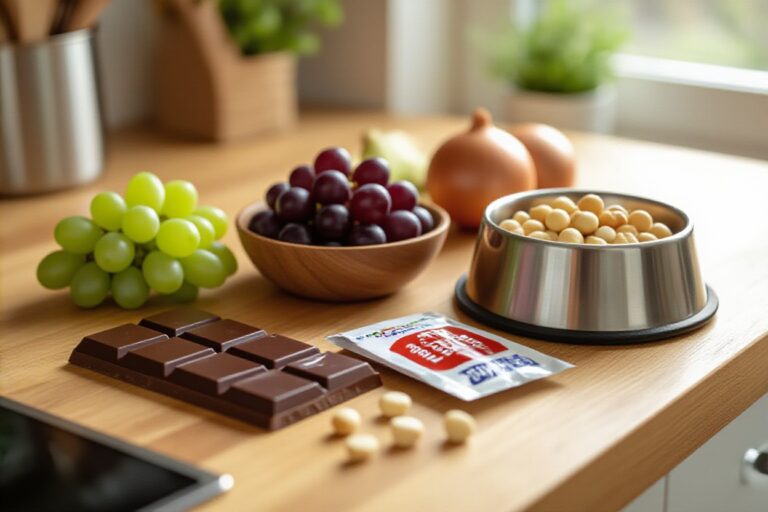
Once again, you should avoid feeding your dog sugary, salty, or fatty human treats and clear hazards like chocolate and xylitol-sweetened products; grapes, raisins, avocado, and foods seasoned with onion or garlic are dangerous, while fruit pits and seeds can cause choking, obstruction, or release toxins-if your dog eats something concerning, contact your veterinarian or poison control promptly.
Toxic Fruits
At minimum, do not offer grapes, raisins, or currants as they can cause acute kidney failure; cherry, peach, and apricot pits contain cyanogenic compounds and pose choking and toxicity risks, and apple seeds should be removed since they contain trace cyanide-stick to safe, seedless fruit portions for your dog.
Unsafe Vegetables
Above all, avoid Allium vegetables-onions, garlic, leeks, and chives-because they damage canine red blood cells; raw potato skins and green potatoes contain solanine that can cause gastrointestinal and neurological problems, and rhubarb leaves are high in oxalates and should never be fed to your dog.
With vegetables you do choose, cook and serve them plain when appropriate, remove cores and seeds, introduce new items slowly so you can watch for vomiting or diarrhea, avoid added salt, oil, or seasonings, and check with your veterinarian to confirm safe portions and preparation for your dog.
Final Words
Hence you can enhance your dog’s diet with safe fruits and vegetables like blueberries, apples (without seeds), carrots, pumpkin and green beans to provide vitamins, fiber and antioxidants; serve them plain, in moderation, and avoid grapes, raisins, onions, garlic, and avocado. Always introduce new foods gradually and consult your veterinarian to tailor portions and detect allergies so your pet stays healthy and well-balanced.