
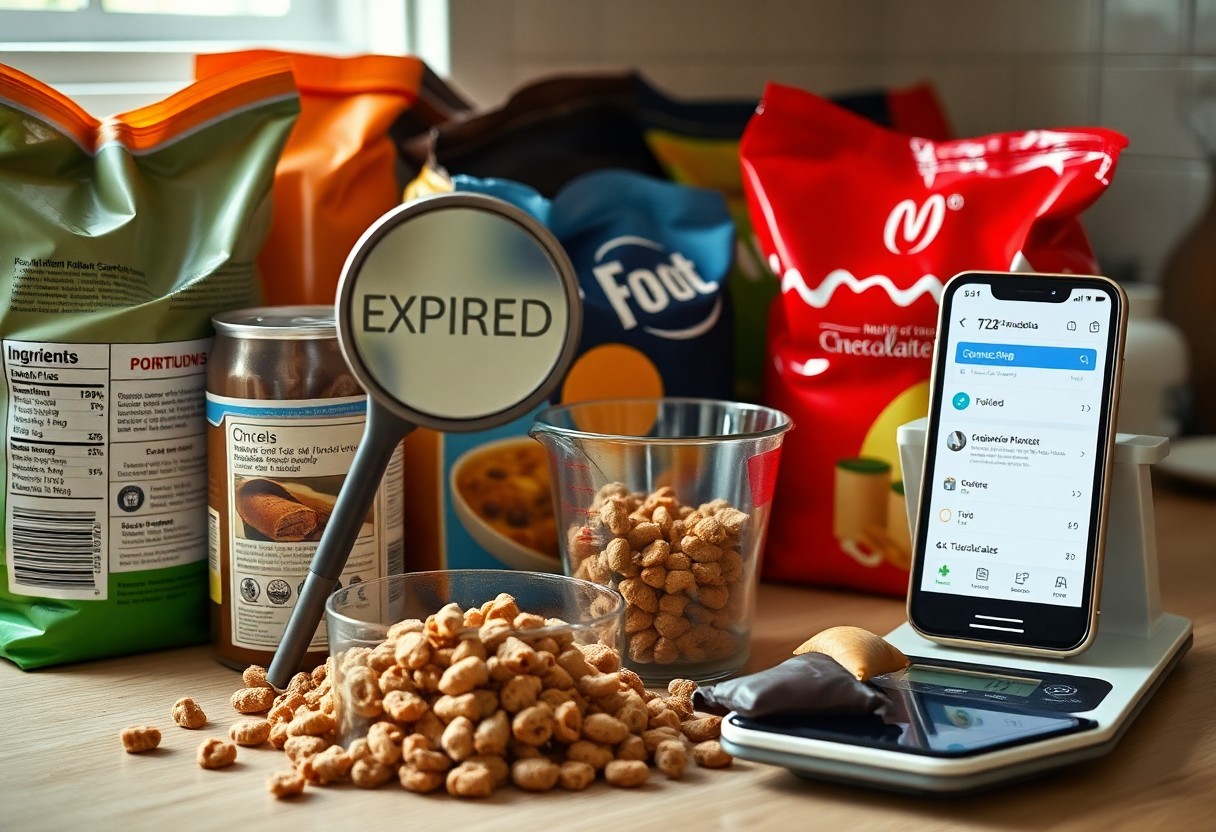
Common Mistakes Pet Owners Make When Choosing Pet Food
With marketing claims, confusing labels, and inconsistent ingredient sourcing, you can unintentionally pick foods that fail to support your pet’s age, size, or health conditions; learn to evaluate guaranteed analysis, ingredient order, feeding guidelines, and recall history so you can match formulations to your companion’s specific needs and avoid common pitfalls like overfeeding, inappropriate treats, or relying solely on price as a quality indicator.
Understanding Pet Nutritional Needs

The nutritional needs of pets vary by species, life stage, activity level and health; you must evaluate calories, protein, fat, vitamins and minerals to support growth, maintenance and recovery, and consult labels and your veterinarian to match food composition to your pet’s physiology rather than relying on generic options.
The Importance of Age and Breed
Importance of age and breed shapes metabolic rate, portion size and nutrient ratios; you need growth formulas for puppies and kittens, maintenance diets for adults and adjusted calories and joint support for seniors, while breed-specific predispositions influence protein, fat and supplement choices for your pet.
Recognizing Dietary Requirements
On assessing dietary requirements, you should consider medical conditions, allergies and activity level; monitor body condition, stool quality and energy, and work with your veterinarian to identify deficiencies or excesses before changing diets to avoid imbalances and long-term problems for your pet.
Nutritional adequacy means balanced protein, necessary fatty acids, vitamins and minerals for your pet; ensure protein quality and amino acid profiles, appropriate calcium-to-phosphorus ratios for growth, taurine for cats, controlled sodium for seniors, and prefer diets with AAFCO statements or veterinary formulation for sustained health.
Evaluating Ingredients in Pet Food
Some ingredient lists hide true meat content behind vague terms, so you should scan for named animal proteins near the top, evaluate carbohydrate sources and by-products, and weigh whole-food ingredients against fillers. You should also check for added vitamins and minerals and consider how processing and sourcing affect nutrient quality for your pet.
Understanding Pet Food Labels
To decode labels you should focus on ingredient order, guaranteed analysis, and feeding guidelines: the first-listed items are most abundant and the guaranteed analysis shows protein, fat, fiber, and moisture. You should also look for AAFCO statements or feeding-trial claims and compare serving sizes to your pet’s weight and activity level.
Common Misconceptions About Ingredients
After seeing terms like “by-product” or “meal” you may assume inferiority, but you should know they can supply concentrated nutrients; conversely, marketing claims such as “human-grade” or “natural” don’t guarantee a balanced diet. You need to assess ingredient quality, sourcing transparency, and how processing impacts nutrient availability for your animal.
Misconceptions often lead you to avoid ingredients that benefit your pet or to chase trendy labels without evidence. You should question blanket claims like “grain-free,” evaluate preservative types rather than fearing all additives, and prioritize balanced amino acids, digestibility, and verified nutrient profiles over buzzwords when selecting food for your companion.
Choosing Between Dry, Wet, and Raw Food
Even when you want the best for your pet, choosing between dry, wet, and raw food requires you to balance nutrition, convenience, safety, and cost while considering your pet’s age, health conditions, and your ability to store and prepare food properly.
Pros and Cons of Each Type
Choosing the format should be guided by your pet’s medical needs, dental status, activity level, and your lifestyle so you can prioritize what matters most for your animal.
Pros and Cons
| Dry – Pro | Convenient, affordable, supports dental abrasion for some pets. |
| Dry – Con | Lower moisture, may be less palatable, can be higher in carbs. |
| Wet – Pro | High moisture, often more palatable, helpful for hydration. |
| Wet – Con | Costlier, spoils faster once opened, can be messy. |
| Raw – Pro | High protein, minimal processing, may appeal to picky eaters. |
| Raw – Con | Higher food-safety risk, variable nutrient balance, requires careful handling. |
How to Transition Between Food Types
Any switch should be gradual and monitored so you can detect digestive upset or changes in appetite; follow a stepwise plan and keep your veterinarian informed.
- Days 1-3: 75% old food, 25% new.
- Days 4-6: 50% old, 50% new.
- Days 7-9: 25% old, 75% new.
| Day Range | Mix Ratio (Old : New) |
| 1-3 | 75 : 25 |
| 4-6 | 50 : 50 |
| 7-9 | 25 : 75 |
| 10+ | 100% new if tolerated |
Thou stop and contact your veterinarian if your pet shows persistent vomiting, bloody stool, or severe lethargy.
Further guidance helps you tailor transitions for age, weight, and medical history; observe stool consistency, appetite, and energy, and adjust pace if your pet shows mild changes.
- Introduce new textures slowly (mix in hand-warm servings if raw or wet).
- Maintain feeding schedule to reduce stress.
- Keep fresh water available at all times.
| Consideration | Action |
| Puppy/kitten | Transition more slowly, monitor growth |
| Senior pets | Check dental and renal status first |
| Allergies | Introduce novel protein cautiously |
| Digestion | Pause and slow transition if diarrhea occurs |
Thou consult your veterinarian for a personalized plan if your pet has ongoing health issues.
Avoiding Overhyped Trends in Pet Food

Despite appealing packaging and social media buzz, you should focus on balanced nutrition and verified feeding trials; evaluate ingredient quality, guaranteed analysis, and your pet’s medical needs instead of following every fad.
The Truth Behind “All Natural” Claims
Against popular assumptions, “all natural” lacks a strict regulatory definition, so you must probe ingredient sources, processing methods, and company transparency to determine if a product truly fits your pet’s dietary needs.
Navigating Grain-Free Diets
Among trending options, grain-free foods are often promoted as superior, but you need to weigh actual allergies versus preferences, consider species-appropriate nutrition, and consult your veterinarian before changing your pet’s diet.
Understanding grain-free diets means knowing they’re warranted mainly for diagnosed grain allergies, not general health; you should check nutrient profiles (including taurine and amino acids), monitor cardiac and digestive health, and rely on veterinary guidance to decide if grain-free is appropriate for your pet.
Budgeting for Quality Pet Food
To budget for quality pet food, you should prioritize nutrient density over flashy marketing; compare ingredient lists, feeding guidelines, and per-day cost rather than bag price, and plan monthly spending into your budget to avoid switching to inferior diets that can increase healthcare costs.
Cost vs. Quality Analysis
By evaluating cost per serving, ingredient quality, and life-stage formulation you can judge whether a higher-priced food delivers measurable benefits for your pet; consider long-term health outcomes and vet recommendations when assessing value.
Finding Affordable, Nutrient-Rich Options
By shopping sales, buying larger bags when appropriate, and choosing reputable brands with simple, high-quality ingredient lists you can lower your per-meal cost without compromising your pet’s nutrition.
Indeed, you should compare guaranteed analysis, look for named animal proteins near the top of the ingredient list, and balance dry and wet options; supplementing with vet-approved whole foods can stretch nutrition while keeping costs down, and tracking your pet’s weight and coat will tell you if the diet is working.
Consulting Professionals
After you pick a food, involve a professional to verify it meets your pet’s age, health, and activity needs; vets and nutritionists can spot misleading marketing, identify problematic ingredients, and recommend therapeutic or elimination diets. You should rely on their clinical assessment when transitioning diets, addressing weight or allergy concerns, or considering homemade meals to avoid nutritional gaps or exacerbating existing conditions.
The Role of Veterinarians and Nutritionists
Against common assumptions, veterinarians and nutritionists play distinct but complementary roles: your vet diagnoses medical issues and prescribes therapeutic diets, while a nutritionist designs balanced long-term feeding plans and evaluates nutrient adequacy. You should use both experts to interpret lab work, tailor portion sizes, and vet supplements rather than relying solely on packaging claims or online advice.
When to Seek Expert Advice
Below are clear triggers for professional help: unexplained weight change, chronic vomiting or diarrhea, persistent skin or coat problems, suspected food allergies, life-stage transitions, or if you plan a homemade or raw diet. You’ll prevent deficiencies and manage medical conditions more effectively by consulting early rather than waiting for severe symptoms.
A thorough consultation will include a medical history, physical exam, body-condition scoring, and possibly bloodwork; bring current food labels, treats, and a feeding diary so the clinician can assess calories, nutrient balance, and feeding behavior. You should expect a follow-up plan with measurable goals and adjustments based on your pet’s response.
Final Words
Upon reflecting on common mistakes pet owners make when choosing pet food, you should prioritize your pet’s individual needs over marketing, avoid relying solely on price or packaging claims, consult your veterinarian about life stage and health conditions, and transition diets gradually to prevent digestive upset. You must check ingredient lists for whole proteins and limited fillers, be wary of unverified health claims, and monitor your pet’s weight and energy to adjust feeding accordingly.