

Dry vs Wet Pet Food – How to Decide What Suits Your Pet
With choices like dry kibble and canned food, you need to weigh nutrition, hydration, dental health, age, weight management, ingredient quality, cost and lifestyle to decide what suits your pet.
Evaluate your animal’s specific health needs, dietary sensitivities and feeding habits, consult your veterinarian for personalized guidance, and balance convenience with long-term wellbeing when selecting a primary diet.
Understanding Pet Nutrition

For choosing between dry and wet food you need to understand how macronutrients, micronutrients and water affect digestion, weight, dental health and skin condition; assessing your pet’s age, breed, activity and health issues lets you match food to needs and set realistic expectations.
The Importance of Nutritional Balance
Along with portion control, maintaining the right balance of proteins, fats, carbohydrates, vitamins and minerals supports energy, muscle maintenance, immune response and organ function; you should follow feeding guidelines and adapt to your pet’s weight and medical history.
Key Ingredients in Pet Food
Among key ingredients you should evaluate are identifiable animal proteins, digestible fats for energy and skin health, appropriate fiber for digestion, controlled carbohydrates and sufficient moisture; beneficial additives like omega fatty acids and probiotics can improve overall well-being.
And when you read labels, prioritize named protein sources, guaranteed analysis, AAFCO or local feeding-trial statements, low levels of artificial preservatives and realistic ingredient order; these details help you judge quality and choose food suited to your pet’s specific needs.
Benefits of Dry Pet Food
There’s a range of benefits to dry pet food that make it a practical choice: it’s cost-effective, shelf-stable, and offers consistent nutrient profiles so you can rely on predictable portions and calories. You can store large bags easily, measure servings for weight management, and select formulas tailored to your pet’s life stage or sensitivities.
Convenience and Storage
Convenience is a major advantage: you can scoop measured portions quickly, keep unopened bags in a pantry without refrigeration, and feed on a schedule with minimal preparation. You can buy in bulk to save money, travel more easily, and manage meals for multiple pets with less fuss than with wet food options.
Dental Health Advantages
On dental health, the abrasive texture of kibble can help reduce soft plaque as your pet chews, potentially slowing tartar formation. You should view dry food as one component of oral care-regular brushing, dental chews, and professional cleanings are still needed to maintain optimal dental health for your pet.
Benefits of targeted dry formulas include specially textured kibble that promotes chewing, added enzymes or polyphosphates that help inhibit mineral buildup, and varying kibble sizes to suit different breeds. You should match the kibble type and size to your pet’s bite and combine feeding with brushing and vet checkups to maximize oral benefits.
Benefits of Wet Pet Food
You can offer your pet higher moisture, stronger aroma and softer texture with wet food, which often improves appetite, eases chewing for seniors, supports hydration and can benefit picky or recovering animals; you should balance calories and dental care when integrating wet food into your pet’s diet.
Hydration Benefits
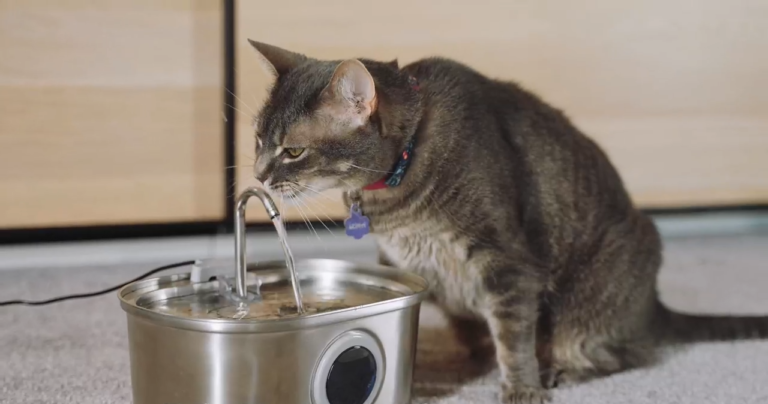
With its high water content, wet food helps your pet stay hydrated, supports urinary tract and kidney health, and reduces concentrated urine that can contribute to stones; you may notice less excessive thirst and easier fluid intake for pets that tend to drink little.
Palatability and Preference
By offering wet food you often increase acceptance thanks to stronger aromas and a moist texture that entices picky, elderly or ill pets; you can use warming, mixing or flavor variety to encourage eating while managing portion size and nutritional balance.
Preference for wet food commonly stems from scent, texture and temperature-factors you can leverage to tailor meals to your pet; monitor weight, stool quality and dental health, rotate formulas for variety, and consult your veterinarian to ensure nutrition suits your pet’s life stage and health.
Potential Drawbacks of Each Type
Despite offering convenience or hydration, both dry and wet foods have limits you should weigh: dry food can lack moisture and some high-quality proteins, while wet food may spoil faster and cost more; allergies, dental issues, and individual appetite preferences mean you must assess your pet’s health, lifestyle, and budget before choosing or combining types.
Dry Food Concerns
To maintain dental health, dry food can help reduce tartar buildup but often contains more carbohydrates and fewer fresh proteins, which may cause weight gain or digestive sensitivity in some pets; you should monitor your pet’s weight, hydration, and stool quality when feeding predominantly dry diets.
Wet Food Considerations
Any wet food offers higher moisture and palatability, but it can be pricier, spoil quickly once opened, and may promote picky eating if used exclusively; you should balance wet meals with portion control and proper storage to avoid waste and gastrointestinal upset.
Indeed, because wet food spoils faster and often has a higher fat content, you need to refrigerate leftovers promptly, measure portions to maintain ideal body condition, and watch for dental plaque due to softer kibble absence; consult your veterinarian if your pet has pancreatitis, urinary issues, or specific dietary needs before making wet food a staple.
Factors to Consider When Choosing Food
To choose between dry and wet food you should weigh nutrition, texture, cost and convenience:
- Nutrition and ingredient quality
- Hydration needs and dental health
- Budget, storage and feeding routine
Any transition should be gradual and based on your pet’s response.
Pet’s Age and Health
Behind your pet’s age and health are differing calorie needs, protein requirements and dental capacity; puppies and kittens need energy-dense formulas, seniors may need joint support and softer textures, and medical conditions like kidney disease or allergies change ingredient choices; you should consult your vet and monitor your pet’s weight, energy and stool when choosing or switching food.
Lifestyle and Activity Level
Across your pet’s lifestyle and activity level you should match calorie density and feeding frequency: active dogs need higher calories and more protein, sedentary pets require lower-calorie formulas to prevent weight gain, outdoor cats may need higher fat, indoor cats benefit from moisture-rich wet food; you should adjust portions and monitor body condition to keep your pet fit.
Another consideration is feeding schedule and enrichment: high-energy pets may do best with multiple meals and calorie-dense kibble plus safe high-protein wet toppers, while lower-activity pets benefit from measured portions, high-fiber recipes and interactive feeders to slow intake; you should reassess as activity changes or after neutering to prevent weight gain.
Mixing Dry and Wet Foods

All pets can benefit from combining dry and wet food when managed carefully; you should balance portions to control calories, watch digestion, and consult your veterinarian to tailor meals to your pet’s age, activity and health needs.
Benefits of a Combined Approach
Beside improved palatability and added hydration, a combined approach gives you flexibility to entice picky eaters, mix textures that support dental and digestive comfort, and rotate formulas to address changing nutritional needs while keeping caloric intake under control.
Tips for Implementation
One practical strategy is a gradual introduction: start with small wet-food additions to your pet’s regular kibble, observe appetite and stool, and adjust portions over one to two weeks. Recognizing individual sensitivity, pause changes if you see adverse signs.
- Introduce wet food slowly over 1-2 weeks and note your pet’s stool consistency.
- Begin with 10-25% wet food mixed into your pet’s usual meal and increase only if tolerated.
- Measure portions to prevent excess calories and unintended weight gain in your pet.
- Keep feeding times consistent so your pet adapts to the new regimen.
This deeper guidance helps you standardize feeding: weigh servings to maintain calorie targets, separate meals in multi-pet homes, store opened cans correctly, and prioritize complete, balanced commercial diets tailored to your pet. Recognizing that specific medical or life-stage needs may change recommendations, consult your veterinarian for personalized adjustments.
- Weigh portions so you control your pet’s daily calorie intake.
- Store opened cans in the fridge and use within the manufacturer’s recommended time.
- Provide fresh water alongside mixed meals to support hydration.
- Choose complete diets and read labels to ensure your pet’s nutritional requirements are met.
Summing up
On the whole you should weigh your pet’s age, health, dental condition, hydration needs, and taste preferences against budget and convenience; dry food offers convenience and dental benefits, wet food improves palatability and moisture intake, and a mixed approach often provides balance-consult your veterinarian to tailor choices to your pet’s specific needs.



One Comment