
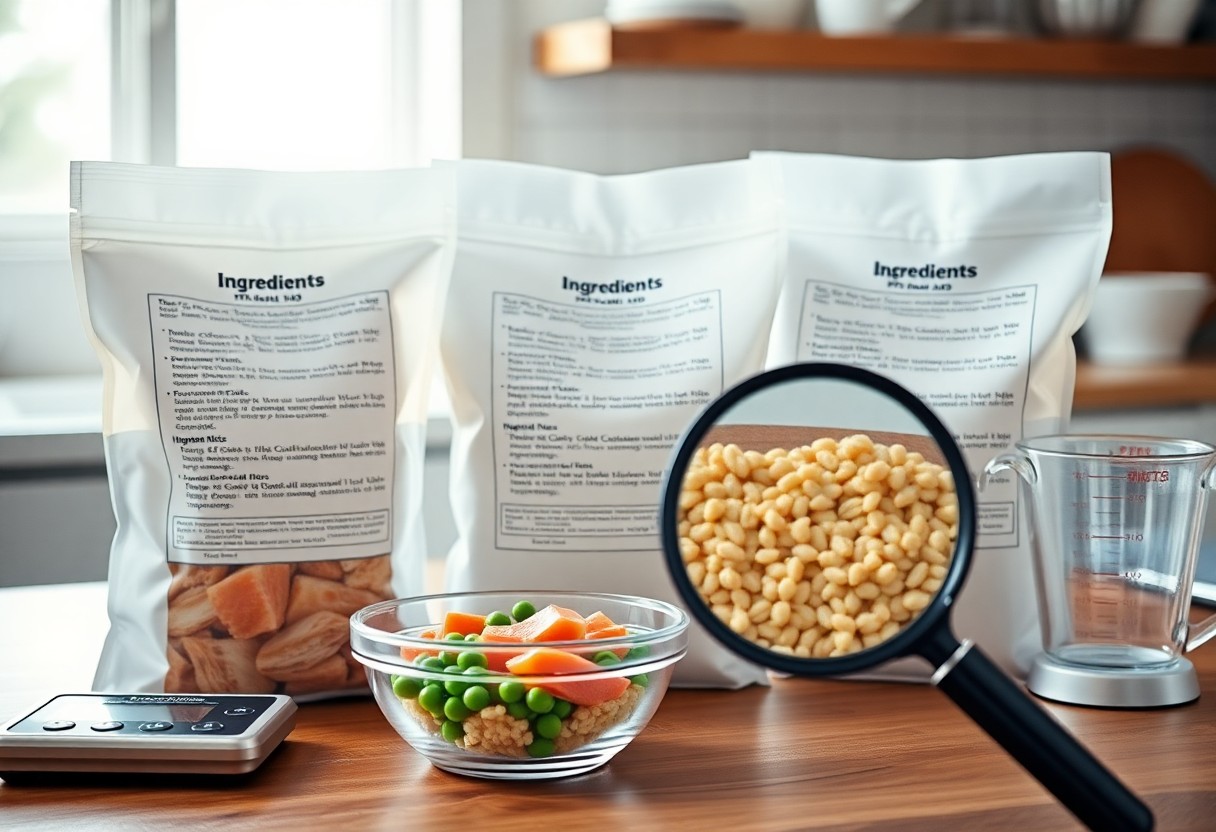
Understanding Ingredient Quality When Choosing Pet Food
There’s more to pet food than marketing-knowing ingredient quality helps you evaluate protein sources, named meats versus by-products, carbohydrate fillers, and added vitamins and preservatives so you can choose food that supports your pet’s health.
You should look for transparent sourcing, whole-food ingredients, appropriate nutrient profiles, and evidence of digestibility or feeding trials, and consult your veterinarian to match choices to your animal’s age, activity, and sensitivities.
Importance of Ingredient Quality
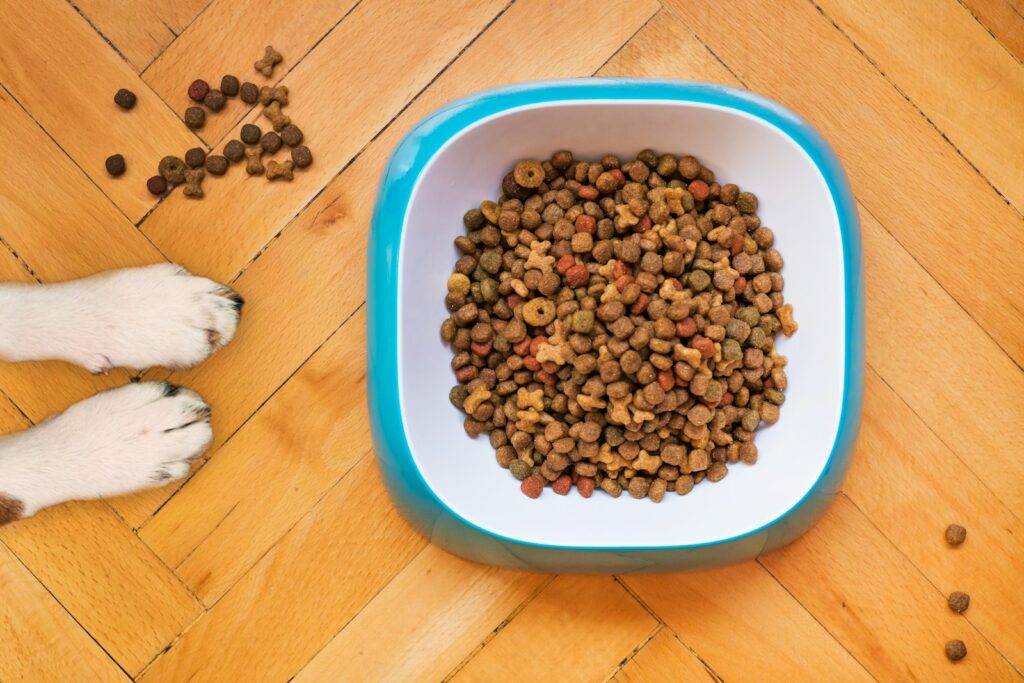
For your pet’s long-term health, ingredient quality determines nutrient balance, safety, and palatability; you should prioritize whole-meat proteins, named meat meals, limited fillers, and minimal artificial additives to ensure consistent nutrition and reduce risk of allergies and contaminants.
Nutritional Value
Before selecting a formula, you should evaluate protein sources, fat quality, vitamins, and named ingredients; check for a guaranteed analysis and an AAFCO statement to confirm the food meets life-stage requirements so your pet receives adequate energy, amino acids, and micronutrients.
Digestibility
Among factors affecting digestibility, ingredient form and processing, fiber type, and the ratio of animal to plant proteins determine how much nutrition your pet absorbs; choose foods with high-quality animal proteins and moderate fiber to maximize nutrient uptake and reduce stool volume.
At home, you can assess digestibility by monitoring stool quality, coat condition, energy levels, and appetite during diet trials; consult your veterinarian for fecal testing or elimination diets if issues persist, and favor gently processed formulas with fewer fillers to improve nutrient bioavailability.
Types of Ingredients
Some ingredient categories directly affect nutrition, digestibility, and palatability; you should evaluate labels for source and purpose.
- Animal proteins: muscle, organs
- Plant proteins: legumes, pulses
- Grains and starches
- Fats, oils, additives
Any choice should align with your pet’s age, health, and dietary sensitivities.
| Ingredient Type | Key Role |
|---|---|
| Animal proteins | Complete amino acids, palatability |
| Plant proteins | Fiber, vitamins, alternative amino profile |
| Grains/starches | Energy, carbohydrates |
| Fats & oils | Energy, important fatty acids |
| By-products | Concentrated nutrients, variable quality |
Animal vs. Plant-based Ingredients
Among animal- and plant-based options, you should weigh amino acid completeness, digestibility, and allergy risk; animal proteins often supply more bioavailable nutrients, while plant ingredients contribute fiber, phytonutrients, and sustainability benefits that may suit specific dietary goals for your pet.
Whole Ingredients vs. By-products
The distinction between whole ingredients (muscle meat, whole grains, vegetables) and by-products (organs, ground carcass components) affects predictability and nutrient profile; you should evaluate sourcing, processing methods, and label transparency to judge suitability for your pet.
Plantbased whole ingredients typically offer clearer sourcing and consistent nutrient profiles, while plant-derived by-products can vary in fiber content and anti-nutritional factors; you should inspect ingredient order, certification, and any processing claims to make the best choice for your animal.
Reading Pet Food Labels
Clearly you should examine pet food labels to assess nutrition, manufacturing, and feeding guidance; check the AAFCO statement, ingredient order, guaranteed analysis, feeding instructions, and expiration or lot codes so you can compare brands and ensure the formula fits your pet’s life stage and health needs.
Ingredient List Analysis
The ingredient list is ordered by weight, so you should expect primary proteins or named meats first; avoid vague terms like “meat” or “animal” and prefer specific sources, whole-food ingredients, and rendered meals named by species, while noting that high moisture can shift ingredient order.
Guaranteed Analysis
Alongside ingredients, the guaranteed analysis lists minimums for crude protein and fat and maximums for crude fiber and moisture; you should use these figures to compare formulas but convert to a dry matter basis to accurately assess nutrient levels per weight.
Another helpful step is converting to dry matter so you can compare accurately: subtract moisture percentage from 100 to get dry matter, then divide each nutrient percentage by that dry matter and multiply by 100 (for example, 25% protein with 10% moisture becomes 25 ÷ 90 × 100 = 27.8% protein on a dry matter basis), which helps you fairly compare foods.
Common Misconceptions
Unlike sensational headlines, ingredient quality is nuanced and you should evaluate product labels, sourcing, and processing relative to your pet’s needs rather than relying on single claims.
Grain-free Diet Myths
Along grain-free diet myths, you should know that grains aren’t inherently harmful and that some grain-free formulas have been associated with heart problems in certain dogs, so base your choice on your pet’s health, not marketing trends.
The Role of Fillers
An ingredient labeled as a filler can provide digestible fiber and calories; you should assess whether it serves a nutritional purpose for your pet or merely lowers cost by checking ingredient order and guaranteed analysis.
Common filler examples include beet pulp, rice, and corn; you should consider how they affect digestibility for your pet, nutrient balance, stool quality, and whether they complement protein sources or dilute them.
How to Evaluate Pet Food Brands?

Many brands make strong claims, so you should verify ingredient sourcing, guaranteed analysis, AAFCO statements, feeding trials versus formulation, and recall history; compare labels for named protein sources, check for unnecessary fillers or additives, and favor companies that provide clear, accessible information so you can decide with confidence.
Reputation and Transparency
Evaluate a brand’s reputation by reviewing independent lab tests, veterinary endorsements, and customer feedback; you should expect transparent labeling, specific ingredient origins, clear contact channels, and prompt responses to inquiries so your trust is based on evidence rather than marketing.
Quality Assurance Practices
Evaluate a company’s quality assurance by checking for GMP, HACCP, or ISO certification, routine contaminant testing, on-site audits, and batch traceability; you should confirm testing frequency and whether results or certificates are shared with consumers to ensure consistent safety and nutrition.
Quality assurance should include defined testing for pathogens, mycotoxins, and heavy metals, independent third-party audits, validated supplier controls, and clear recall procedures; ask for certificates of analysis and recent lab reports so you can verify claims and make informed choices for your pet’s health.
Making the Right Choice for Your Pet
All choices should align with your pet’s age, activity level, health conditions, and ingredient transparency. Evaluate protein sources, guaranteed analysis, and feeding trials, then compare brands for recalls and sourcing policies. You can prioritize whole-food ingredients and avoid vague by-product listings, balancing nutrition with budget and convenience to support long-term wellbeing.
Tailoring Food to Specific Needs
The best diet addresses your pet’s life stage, allergies, weight goals and medical conditions; you may need limited-ingredient, grain-free, or renal-support formulas. Work through elimination trials, monitor stool, coat and energy, and adjust portions and macronutrient balance so your pet reaches ideal weight and sustained vitality.
Consulting with Veterinarians
About veterinary guidance: you should bring ingredient labels, feeding history and symptom notes to appointments so your vet can assess nutrient adequacy and rule out medical causes. Your veterinarian can recommend therapeutic diets, supplements, or a referral to a veterinary nutritionist to ensure your feeding plan supports diagnosis-specific needs and long-term health.
with detailed questions prepare you to get actionable advice-ask about necessary nutrients, appropriate caloric intake, potential drug-food interactions, and how to transition diets safely. Your vet can help interpret lab results, suggest monitoring intervals, and outline measurable goals so you can track improvements and fine-tune feeding strategies.
To wrap up
Considering all points, you should prioritize identifiable animal proteins, whole-food ingredients, transparent sourcing, and balanced nutrient profiles when choosing pet food; avoid vague fillers and excessive by-products, check the guaranteed analysis and AAFCO statement, and monitor your pet’s weight, coat, stool and energy to confirm suitability-consult your veterinarian for special needs.





One Comment