How Much Should I Feed My Cat? Daily Feeding Guide by Age
Most cat owners want clear, practical guidance on feeding through kitten, adult, and senior stages; this concise daily guide helps you calculate portions by age, weight, and activity so you can manage your cat’s nutrition effectively.
Understanding Your Cat’s Nutritional Needs
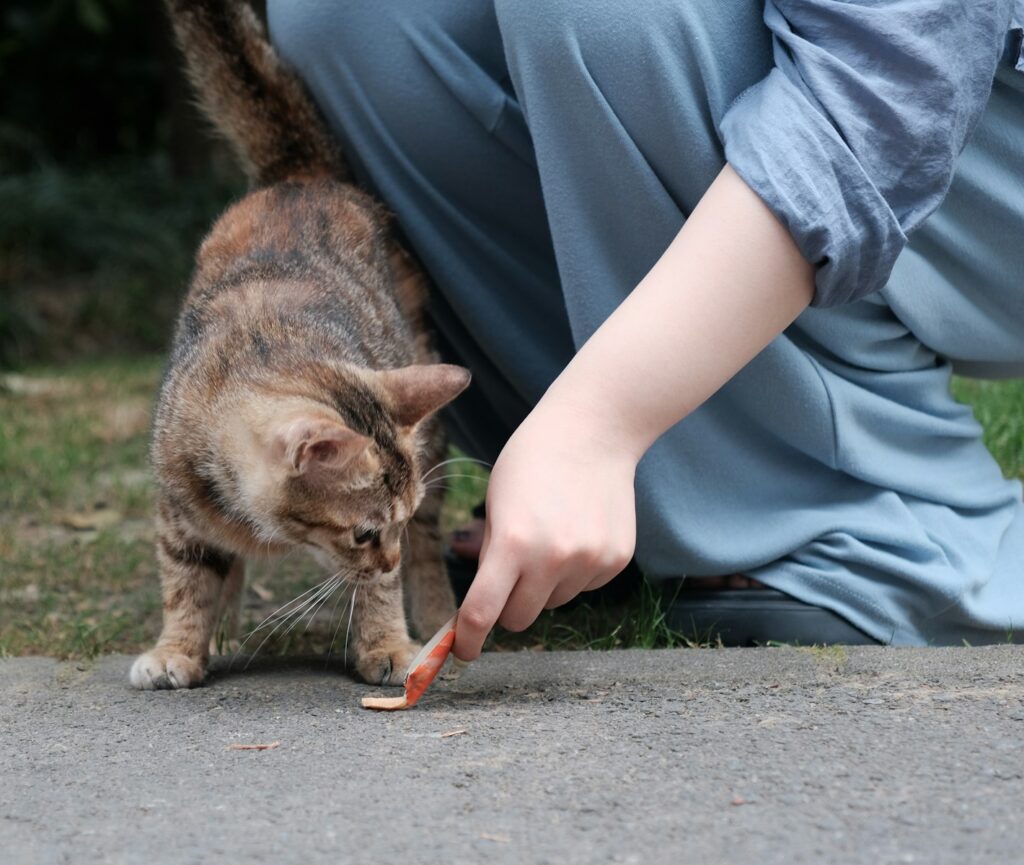
Before deciding portion sizes, assess your cat’s age, activity level, neuter status and health, because these factors shape calorie needs and nutrient balance. You should select a life-stage appropriate diet, monitor body condition regularly, and adjust feeding to maintain an ideal weight, consulting your veterinarian when changes are needed.
Importance of Balanced Diet
Diet must deliver complete animal-based protein, fats, vitamins and minerals so your cat meets metabolic and reproductive needs; inconsistent or homemade meals can leave gaps. You should use measured portions and routine feeding times to help prevent obesity, support digestion, and maintain urinary and overall health as your cat ages.
Key Nutrients for Cats
Before choosing food, prioritize high-quality animal protein and imperative amino acids like taurine, plus sufficient fat for energy and absorption of fat-soluble vitamins. Your cat also needs arachidonic acid, B vitamins, vitamin A, and balanced calcium-to-phosphorus ratios; adequate moisture supports kidney and urinary tract function.
For instance, taurine deficiency can lead to vision loss and heart issues, so you should pick foods with guaranteed nutrient profiles and follow feeding guidelines for kittens, adults and seniors; kittens require more calories and protein, while older cats may need lower phosphorus and tailored supplements based on veterinary advice.
Feeding Guidelines by Age
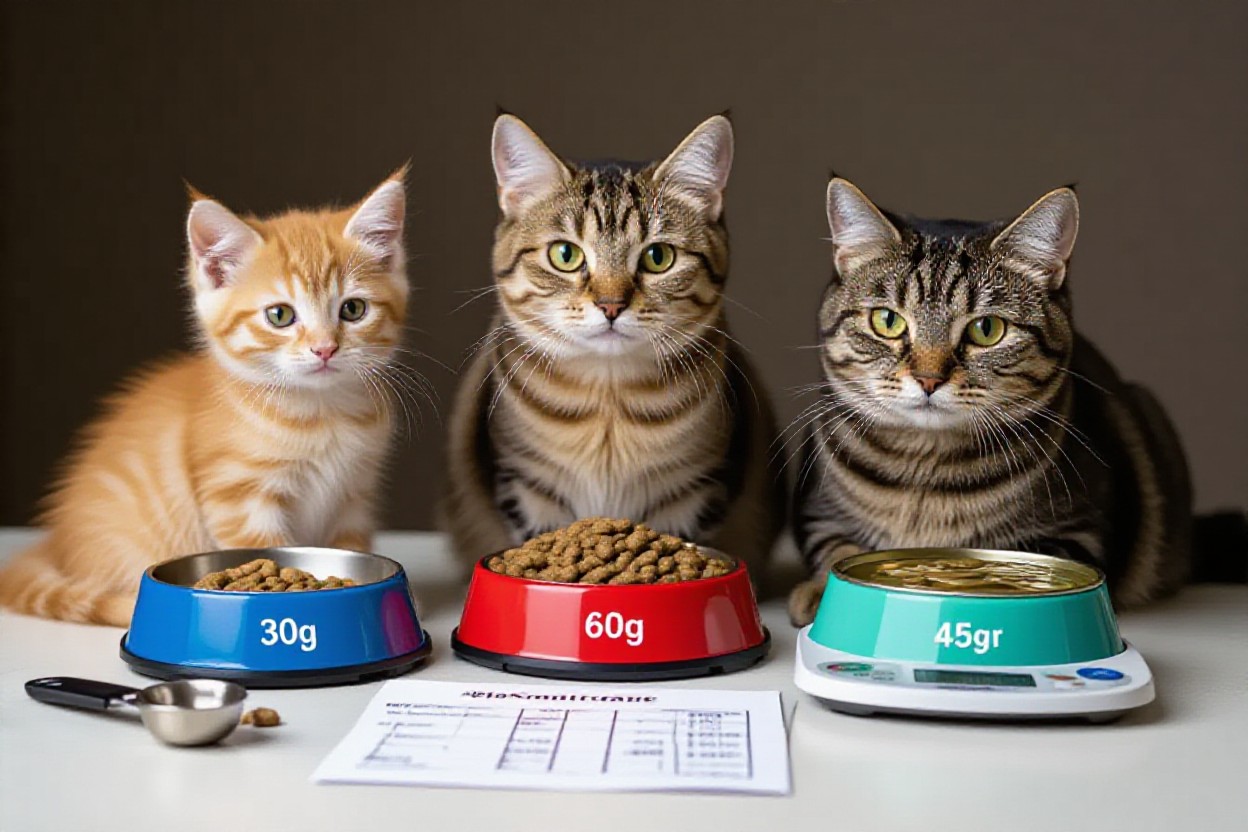
You should tailor daily portions to your cat’s life stage, weight, activity, and health; measure food, choose age-appropriate formulas, and work with your veterinarian to adjust calories so your cat maintains an ideal body condition throughout life.
Kittens (0-6 Months)
After your kitten is born, you should feed small, frequent meals-three to four times daily-of high-calorie kitten formula or wet food to support rapid growth; follow package guidelines and consult your vet to adjust portions by weight and activity while monitoring body condition.
Young Cats (6 Months – 2 Years)
With growth slowing, you should move your young cat to a transition or maintenance schedule of two meals daily, tailoring portions to weight and activity-about 40-60 calories per pound daily-split morning and evening to sustain energy and healthy habits.
Years between six months and two years are when you should transition gradually from kitten to adult food over one to two weeks; monitor weight, adjust calories, and increase interactive play to prevent excess weight as growth finishes.
Adult Cats (2-7 Years)
With your cat fully grown, you should feed a balanced adult formula once or twice daily, using measured portions to maintain ideal body condition; typical needs run about 20-30 calories per pound daily but vary by neuter status and activity level.
In addition, you should monitor body condition monthly, use measured portions or puzzle feeders to prevent obesity, and consult your vet for personalized calorie targets if your cat’s weight drifts outside the healthy range.
Senior Cats (7 Years and Older)
About seven years onward, you should expect changes in metabolism and appetite; feed senior-formulated diets with high-quality protein but moderate calories, offer smaller frequent meals, and monitor dental, kidney, and weight changes closely.
Due to higher disease risk, you should schedule regular vet checks, adjust portion sizes for reduced activity or illness, and prioritize palatable, nutrient-dense wet food to help maintain muscle mass and hydration.
Factors Influencing Daily Food Intake
All cats have individual needs shaped by multiple elements that affect how much you should feed them:
- Age and life stage
- Activity level
- Health conditions
- Breed and size
- Current weight and goals
This lets you tailor portions and feeding frequency to support your cat’s ideal weight and vitality.
Activity Level
The activity level of your cat dictates calorie needs: highly active or outdoor cats require more energy-dense meals, while indoor or sedentary cats need smaller portions and higher-protein, lower-calorie options to prevent excess weight; observe your cat’s daily movement and adjust what you feed accordingly.
Health Conditions
After a health diagnosis, your cat’s diet may need specific adjustments-conditions like kidney disease, diabetes, or gastrointestinal issues often require prescription diets, altered feeding schedules, and closer monitoring of portion sizes under veterinary guidance to support treatment.
And you should track appetite, body weight, and any medication effects closely, communicating changes to your veterinarian so you can refine feeding plans, prevent complications, and keep your cat comfortable while managing the condition.
Breed Variations
Food requirements differ by breed and frame: large, muscular breeds often need more calories, whereas petite or low-metabolism breeds require less; focus on your cat’s body condition rather than breed alone when setting portion sizes.
It’s best to use breed-based recommendations only as a starting point, then adjust based on your cat’s metabolism, activity, and body condition score to find the right daily intake for long-term health.
Types of Cat Food
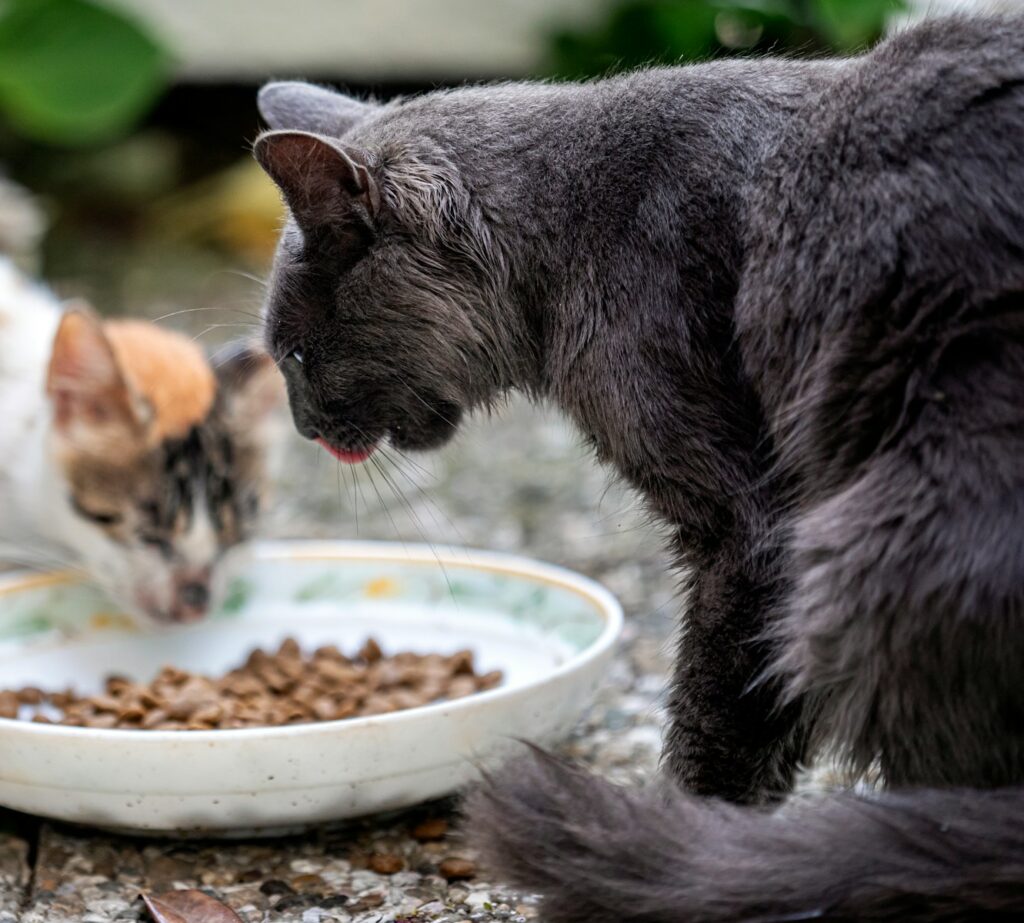
Despite the variety, you should choose food suited to your cat’s life stage and health:
- Wet (canned)
- Dry (kibble)
- Raw
- Prescription
- Homemade
| Wet | Hydrating, palatable |
| Dry | Convenient, calorie-dense |
| Raw | High-protein, safety risks |
| Prescription | Medical needs, vet-guided |
| Homemade | Customizable, needs balance |
This helps you match food to age, activity, and medical needs.
Dry vs. Wet Food
By comparing wet and dry options you weigh hydration, calorie density, dental impact, and convenience; wet increases hydration and satiety while dry is convenient and calorie-dense-choose based on your cat’s age, weight goals, and daily routine.
Homemade Diets
Alongside commercial diets, you may prepare homemade meals to control ingredients and address sensitivities, but you should work with a veterinary nutritionist to ensure balanced nutrients, appropriate portions, and long-term health for your cat.
Food prepared at home can solve allergies and picky eating, yet you need precise recipes, correct supplements, and periodic bloodwork so your cat avoids deficiencies and maintains ideal body condition.
Portion Control and Feeding Frequency
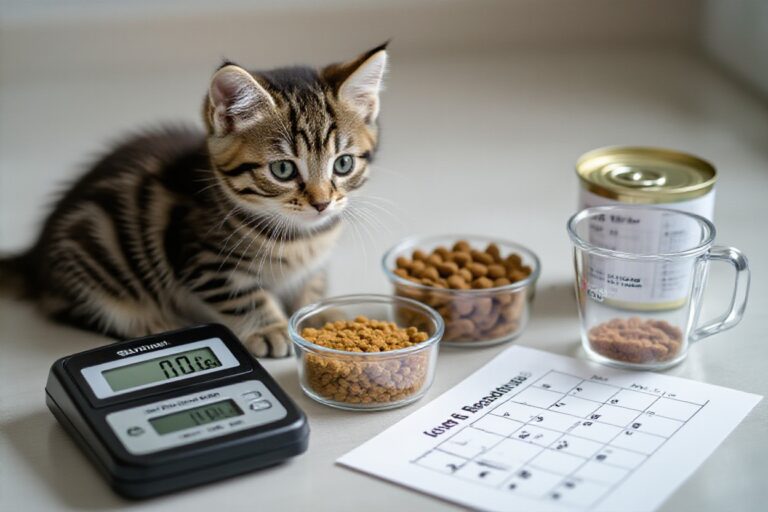
To manage your cat’s weight and energy, measure portions with a kitchen scale or measuring cup, follow age-appropriate calorie targets, and adjust for activity and body condition; consistent portion control and feeding times help you prevent weight gain and spot changes early.
How Much to Feed
Against relying solely on package directions, calculate your cat’s daily calories by weight, age, and activity, then divide into meals; use a kitchen scale, track body condition, and modify portions as your cat grows or your household routine changes.
Feeding Schedules
Across life stages, feed kittens three to four small meals, adults two measured meals, and seniors smaller, more frequent portions if appetite fluctuates; align feeding times with your schedule to maintain routine and monitor intake.
Also consider mixing wet and dry food to boost hydration and satiety, schedule regular weigh-ins and adjust portions gradually, and consult your veterinarian for personalized plans if your cat is underweight, overweight, or has medical needs.
Monitoring Your Cat’s Weight
Your cat’s weight is a direct measure of health, so you should weigh them regularly, use a body condition score to track changes, note any 5%+ shifts between checks, log food intake and activity, and consult your vet if you observe unexplained gain or loss.
Signs of Overfeeding
Beside steady weight gain, you may notice you can’t easily feel your cat’s ribs, a thickened waist or abdominal fat pad, reduced mobility or play, frequent begging, and changes in litter box habits; these signs mean you should reassess portions and diet.
Adjusting Portions as Needed
Across life stages and activity levels, you should adjust portions gradually: measure servings, change daily calories in small steps, monitor weight weekly, prioritize high-quality protein and portion-controlled meals, and avoid free-feeding unless your vet recommends it.
Considering a change, alter the portion by about 5-10%, maintain that amount for 2-4 weeks while you weigh and score body condition weekly, then repeat adjustments or consult your vet if weight does not move toward the ideal or if medical concerns arise.
Final Words
Taking this into account, use age-based feeding charts as a starting point, adjust portions for your cat’s activity level and body condition, measure meals, divide daily calories into regular feedings, and consult your veterinarian if you have questions about weight, health, or special dietary needs.