Cat Feeding Schedule: Kittens, Adult Cats, and Senior Cats
Cats require changing feeding schedules across life stages, and you should adjust portions and frequency for kittens, adults, and seniors to support your cat’s growth, maintenance, and aging needs. Offer kittens several small meals daily, feed healthy adults once or twice a day based on activity and weight, and provide seniors smaller, targeted meals while monitoring appetite and consulting your veterinarian.
Feeding Kittens
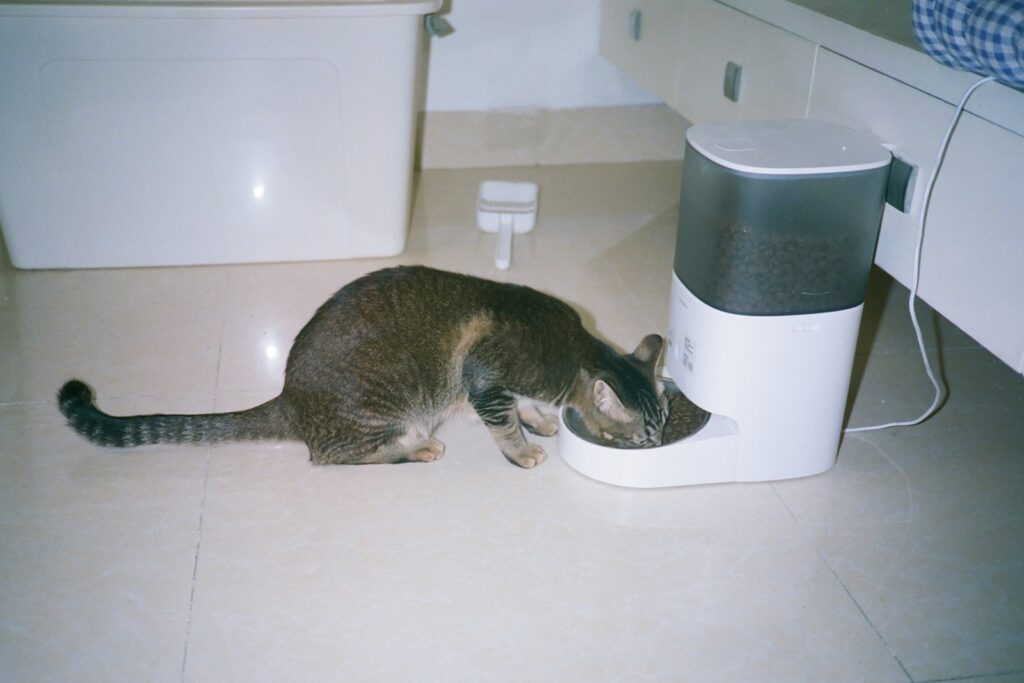
To support rapid growth and strong immune development, you should feed kittens energy-dense, high-protein meals formulated for their life stage; offer wet and dry options to encourage hydration and tooth development, and consult your vet to tailor amounts as your kitten gains weight and activity changes.
Nutritional Needs
Behind their playful energy, kittens need diets high in animal protein, fat for energy, DHA for brain and vision, and balanced vitamins and minerals; you should choose AAFCO-complete kitten formulas and increase calories compared with adults to match growth rates.
Feeding Frequency
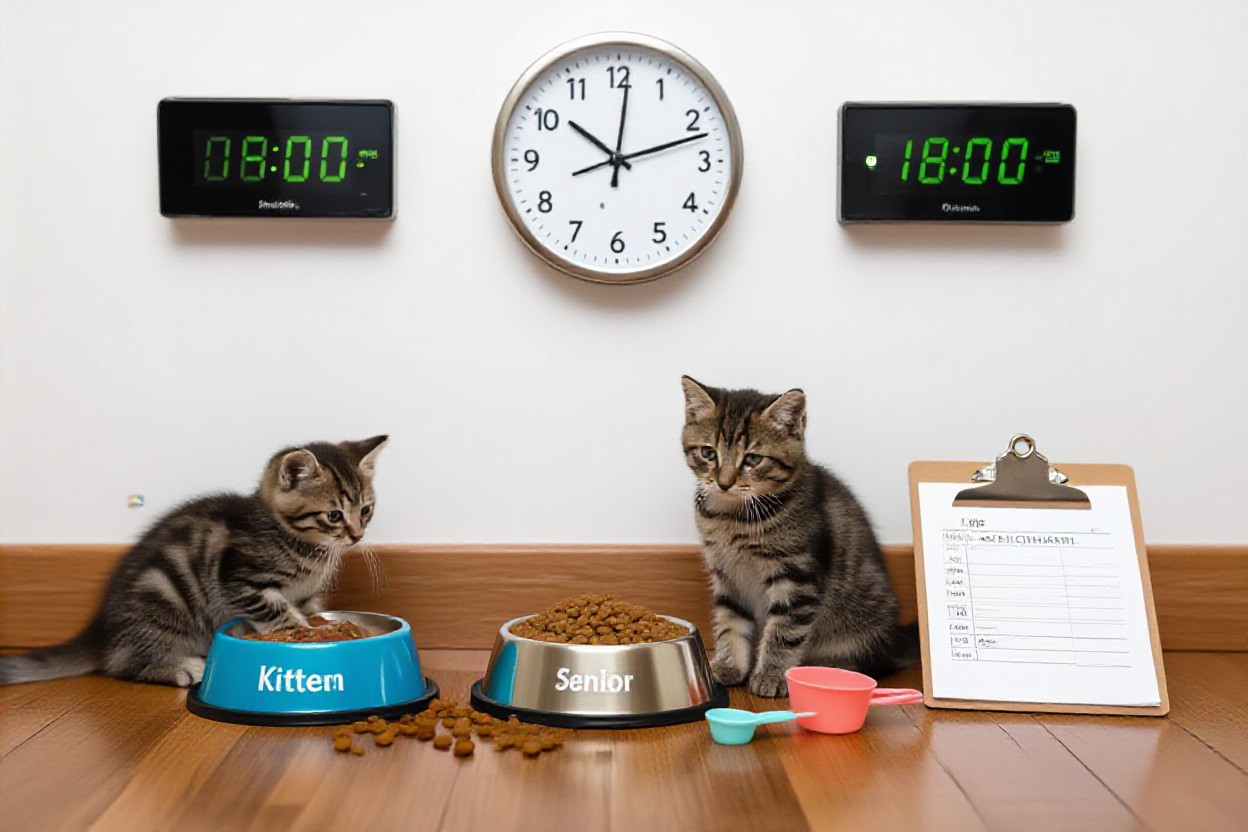
One common schedule is small meals four times daily for kittens under four months, dropping to three by six months; you should monitor appetite and weight to fine-tune portion sizes.
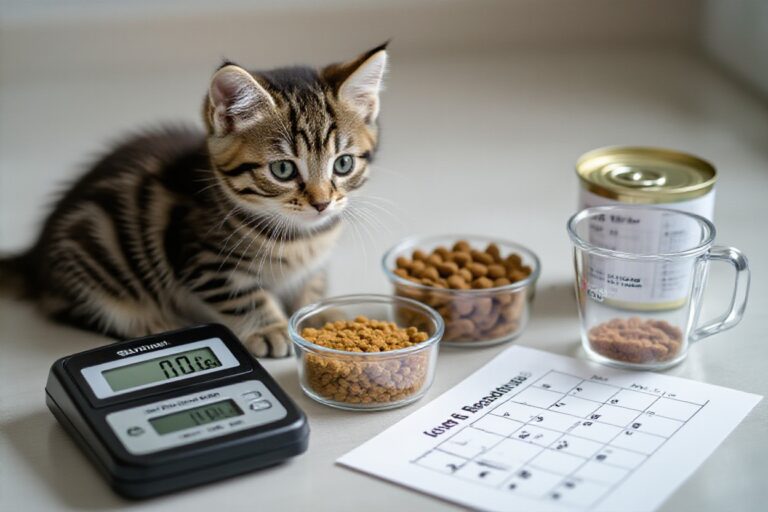
At each stage, measure portions by weight not just bowl size, adjust calories as your kitten nears adult weight, provide constant access to fresh water, and schedule vet check-ups to reassess your feeding plan and prevent over- or underfeeding.
Feeding Adult Cats
Clearly, you should provide adult cats a balanced, high-protein diet matched to their activity and health; feed measured meals, prioritize quality ingredients, and consult your veterinarian to tailor portions for optimal weight and longevity.
Daily Caloric Intake
Adult cats typically need about 20-30 kcal per pound (44-66 kcal/kg) daily depending on activity, age, and neuter status; monitor your cat’s body condition score and adjust intake gradually with guidance from your vet.
Portion Control
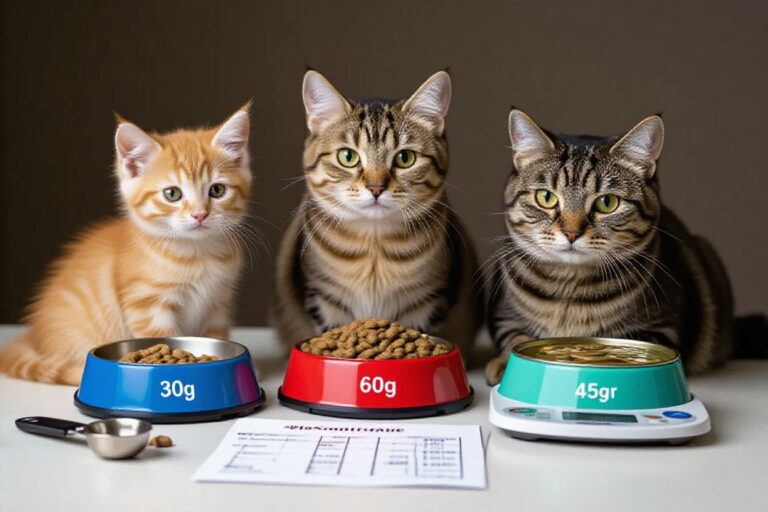
Feeding measured portions two or three times daily or using portioned automatic feeders helps you prevent overeating; use calorie labels, a kitchen scale, and track treats so your cat stays within its daily caloric goal.
Plus, you can use puzzle feeders, split wet and dry rations, and weigh your cat weekly to fine-tune portions; if weight shifts by more than 5-10%, change portion sizes and consult your veterinarian for a targeted plan.
Feeding Senior Cats
Any changes for senior cats focus on preserving weight, muscle, and hydration; you should adjust portions, increase moisture, prioritize highly digestible protein, and address dental or digestive problems. Offer smaller, measured meals, monitor appetite and body condition weekly, and coordinate dietary adjustments with your veterinarian to manage kidney, thyroid, or arthritis-related needs.
Changes in Dietary Needs
Behind age-related weight loss and reduced activity are metabolic shifts that alter your cat’s nutritional needs: they often require higher-quality, easily absorbed protein to maintain muscle, moderate calories to avoid excess weight, increased moisture for renal support, and phosphorus or sodium restrictions if bloodwork indicates organ disease.
Special Considerations
With dental pain, arthritis, decreased smell, or medication regimens you may need to warm food, offer wet or softened diets, use elevated bowls, feed smaller, frequent meals, and prioritize palatability; consult your vet about supplements, appetite stimulants, or changes that could affect medication absorption.
Considerations include keeping a weekly weight and appetite log, scheduling regular bloodwork and dental exams, transitioning diets slowly over 7-10 days, coordinating therapeutic diets with medications, and working with your veterinarian to tailor feeding frequency, texture, and supplements for optimal health.
Common Feeding Mistakes
All owners can slip into inconsistent feeding habits that harm your cat’s health; free-feeding adult cats, ignoring portion sizes for life stage, and switching foods without transition can cause weight swings, digestive upset, and nutrient gaps. You should follow scheduled portions, monitor body condition, and consult your vet when adjusting diets to keep your cat healthy across stages.
Overfeeding vs. Underfeeding
Before deciding portions, assess your cat’s activity, age, and body condition; overfeeding leads to obesity and joint strain, while underfeeding can cause muscle loss and nutrient deficiencies. You should measure meals, follow feeding guidelines for kittens, adults, and seniors, and adjust slowly based on weight trends and veterinary advice.
Treat Management
By limiting treats to no more than 10% of daily calories and choosing low-calorie, nutrient-appropriate options, you protect your cat’s balanced diet; you should count treat calories, use small portions for training, and avoid replacing full meals with treats to prevent weight gain and nutritional imbalance.
Another effective strategy is to replace high-calorie treats with interactive play, puzzle feeders, or small portions of regular kibble as rewards so you can reinforce behavior without extra calories; you should also adjust treat type for kittens and seniors and discuss any food sensitivities with your vet.
Importance of Fresh Water
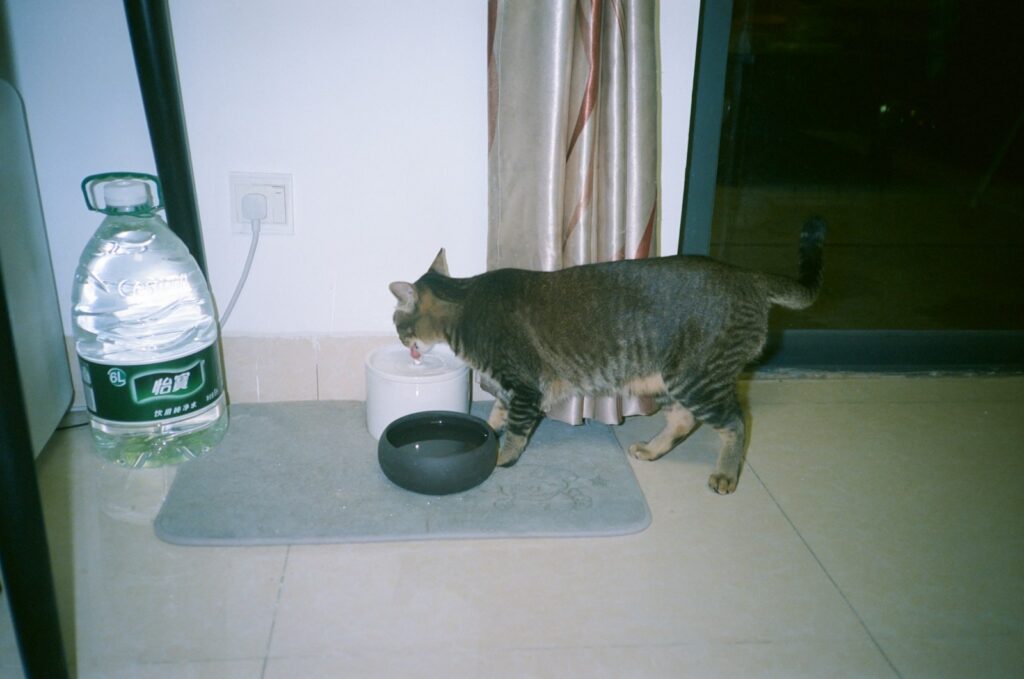
After every meal and active period, your cat needs fresh water to support digestion, circulation, and temperature regulation; you should provide clean water daily, change it at least once a day, and monitor drinking patterns, since sudden changes in intake can indicate health issues that require veterinary attention.
Hydration Needs
Beside higher metabolic rates that make kittens more prone to dehydration, adult cats need steady access to water and senior cats may have altered thirst due to illness or medications; you should track intake, offer wet food when appropriate, and consult your vet if your cat’s drinking habits change unexpectedly.
Water Sources
Importance of offering varied water sources-bowls, pet fountains, and moisture-rich food-to encourage drinking; you should use ceramic or stainless-steel dishes, place water in multiple quiet locations, and avoid plastics that can affect taste or harbor bacteria.
Even small changes in bowl cleanliness, location, or water temperature can alter your cat’s preference; you should experiment with a flowing-water fountain, keep bowls away from litter and strong food odors, and observe which source consistently increases your cat’s intake.
Transitioning Between Food Stages
Not every cat adapts to new diets at the same speed, so you should phase changes based on age and tolerance; ease kittens, adults, and seniors through appropriate formulations, monitor portions and calories, keep feeding times consistent, and consult your veterinarian for breed- or health-specific guidance if you see persistent appetite, weight, or digestion changes.
Gradual Changes
Any change should be gradual: mix a small amount of the new food with the current diet and increase the ratio every 2-3 days over 7-10 days, adjust pace if your cat shows loose stools or reduced appetite, maintain portion control, and avoid sudden switches between wet and dry without overlap.
Monitoring Health
To monitor health, track your cat’s appetite, weight, coat condition, litter box habits, vomiting, and stool quality; note any lethargy or dehydration and contact your veterinarian if symptoms persist beyond 48-72 hours or if severe signs appear.
Also keep a simple log of food amounts, stool appearance (photos help), and weekly weights; check kittens and seniors more frequently, and seek immediate veterinary care for prolonged refusal to eat in kittens, rapid weight loss, persistent vomiting, or signs of distress.
Summing up
As a reminder, you should feed kittens several small meals daily to support growth, offer adult cats consistent portioned meals (often twice daily or supervised free-feeding with measured portions), and adjust senior feeding for reduced appetite, dental issues, or medical needs. Monitor body condition, maintain routine, choose appropriate diets by life stage, and consult your veterinarian to tailor schedules and portions to your cat’s health.