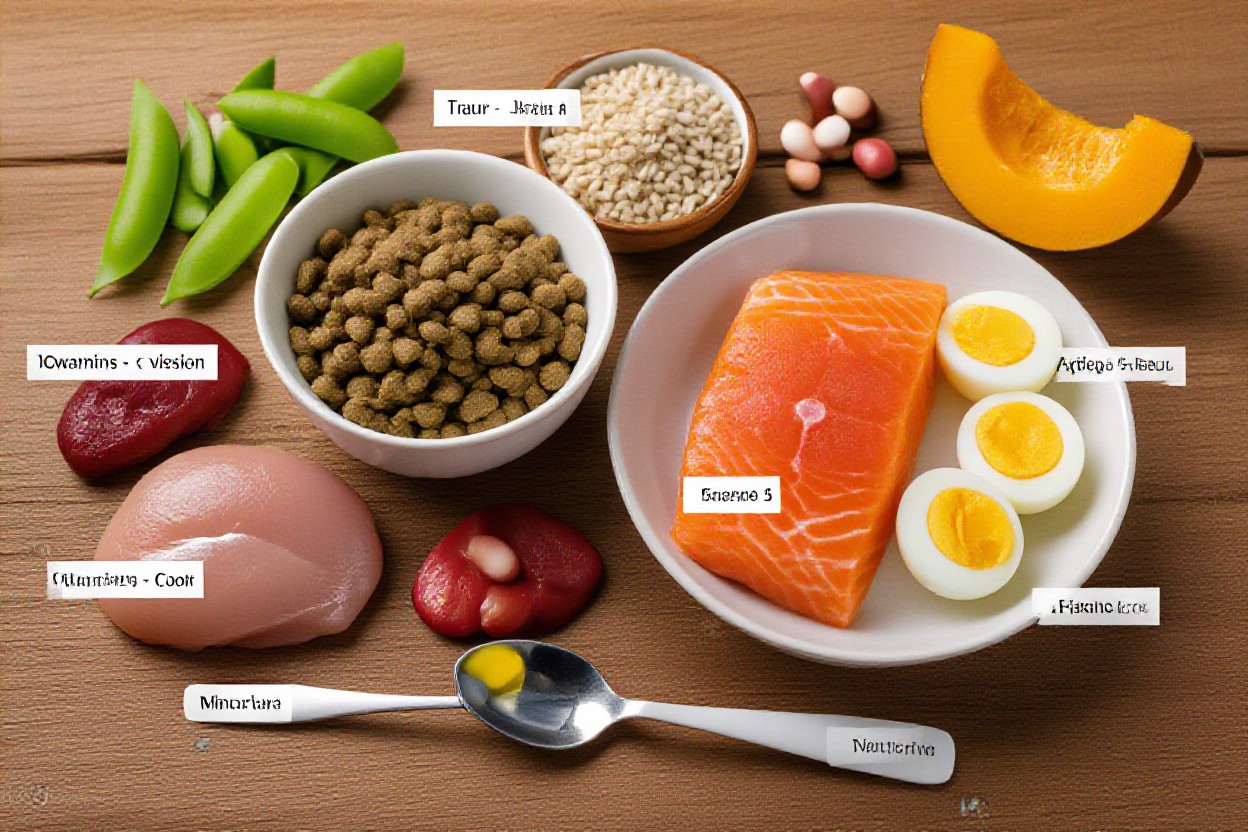
Common Cat Food Ingredients and What They Do
When you look at a cat food label, it can feel more like a chemistry sheet than a meal. Long ingredient lists filled with unfamiliar names often make it hard to tell what actually matters and what is just marketing.
But every ingredient in cat food serves a specific purpose some build muscle, some provide energy, some protect organs, and some are there simply to hold the food together and keep it fresh.
Understanding what these common ingredients actually do changes the way you choose food. Instead of trusting the front of the bag, you start reading labels with clarity knowing which ingredients support a cat’s biology as a strict carnivore and which ones exist mainly for texture, shelf life, or cost control.
This guide breaks down the most common cat food ingredients and explains their real roles inside your cat’s body.
Proteins

Your cat’s diet relies on proteins to build and repair tissue, support immune and metabolic functions, and supply important amino acids you can’t synthesize for them.
Animal-Based Proteins
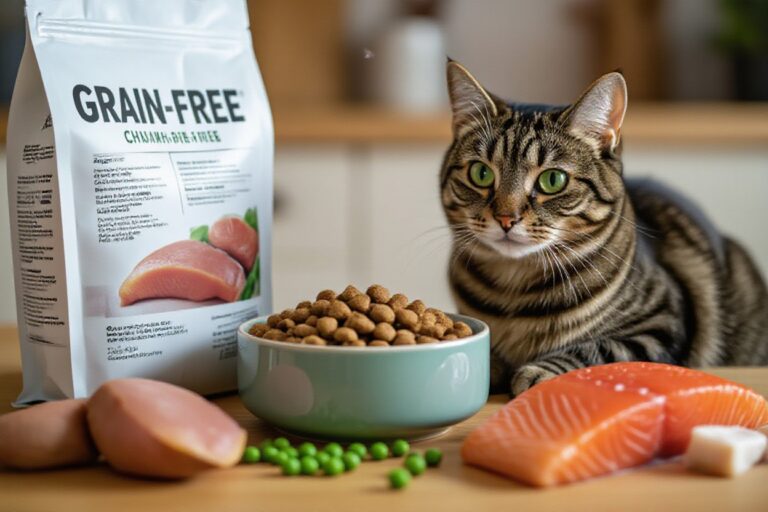
For optimal growth and maintenance, you should choose animal-based proteins like chicken, turkey, beef, fish, and organ meats because they provide complete amino acid profiles and bioavailable nutrients your cat needs.
Plant-Based Proteins
Across many commercial diets, plant-based proteins such as peas, lentils, and soy supplement animal sources and can help increase protein percentage while reducing cost, but you must assess digestibility and amino acid balance for your cat.
For instance, if your cat’s recipe relies heavily on legumes or grains, you should ensure taurine, arginine, methionine, and lysine are adequate, as supplementation or complementary animal ingredients may be needed to meet your cat’s metabolic demands.
Carbohydrates
One common component in cat foods is carbohydrates, which provide quick energy, help bind and shape kibble, and supply fermentable fiber for gut microbes; because your cat evolved as a carnivore, you should weigh carb type and level carefully to support healthy weight, stable blood sugar, and optimal digestion rather than assuming higher carbs equal better nutrition.
Grains
Beside supplying starch and energy, grains like rice, corn, and wheat are inexpensive kibble builders that affect texture and shelf life; you should assess digestibility and potential sensitivities, since whole grains offer fiber and slower glucose release while highly processed grains can increase glycemic load and may contribute to weight gain if overused.
Vegetables and Legumes
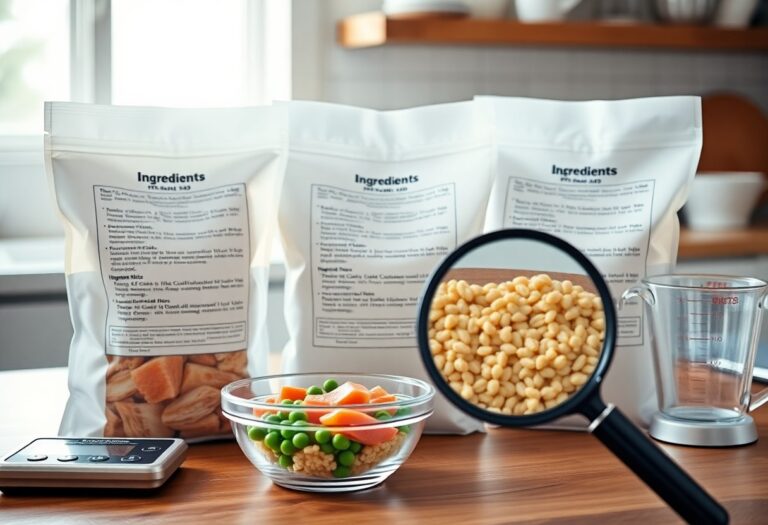
On the ingredient panel, vegetables and legumes contribute fiber, vitamins, and plant protein while altering carbohydrate profile; you should recognize legumes (peas, lentils) are relatively starch‑dense and provide fermentable fibers that influence stool quality and satiety, so their inclusion should match your cat’s energy needs and digestive tolerance.
Indeed vegetables supply insoluble and soluble fibers that feed beneficial microbes, while legumes add resistant starch and oligosaccharides that can be prebiotic but may increase gas or change stool consistency; you should look for processed forms that reduce antinutrients and balance these plant carbs with high‑quality animal protein to meet your cat’s obligate carnivore requirements.
Fats and Oils
Even fats and oils supply dense energy, help your cat absorb fat-soluble vitamins A, D, E and K, and support healthy skin and a glossy coat; you should balance fat levels for life stage and activity because excess leads to weight gain, while too little can impair coat condition and overall energy.
Essential Fatty Acids
Fatty acids like omega-6 (linoleic) and omega-3 (DHA, EPA) support skin health, inflammation control and brain function, and cats require dietary arachidonic acid and often preformed DHA/EPA since their conversion from plant precursors is limited, so you should choose foods listing specific animal or marine sources.
Sources of Fats
Before selecting a food, check ingredient lists for named fats-chicken fat, fish oil, salmon oil, flaxseed or canola-because animal fats supply arachidonic acid and are more aligned with your cat’s carnivorous needs, while marine oils boost EPA/DHA for anti-inflammatory and cognitive benefits.
At the recipe level, animal-derived fats increase palatability and provide imperative arachidonic acid, marine oils supply EPA/DHA often lacking in plant oils, and you should monitor total fat to prevent pancreatitis and obesity, consulting your veterinarian about supplements, dosing and purity when needed.
Vitamins and Minerals
Keep in mind that vitamins and minerals in cat food support your cat’s metabolism, immune defenses, bone and eye health, and coat condition; they often work together, so you want formulations that provide balanced levels rather than isolated supplements, and you should assess labels to ensure your cat’s life stage and health needs are met.
Essential Vitamins
Below the label, vitamins A, D, E, K and the B-complex play specific roles: vitamin A supports vision, D helps your cat absorb calcium, E acts as an antioxidant, K aids blood clotting, and B vitamins fuel energy and nerve function, so you should choose diets that include these in appropriate amounts for your cat’s age and activity.
Key Minerals
Essential minerals like calcium, phosphorus, magnesium, potassium, sodium, iron, zinc and selenium maintain bone structure, nerve and muscle function, electrolyte balance and oxygen transport, so you should ensure your cat’s food has correct mineral ratios to support growth, reproduction and overall health.
Even small imbalances can cause issues-excess calcium in growing kittens can affect bone development, while too much magnesium may contribute to urinary problems in some cats-so you should check guaranteed analysis, consider specialty formulas when needed, and consult your veterinarian for tailored guidance.
Additives and Preservatives
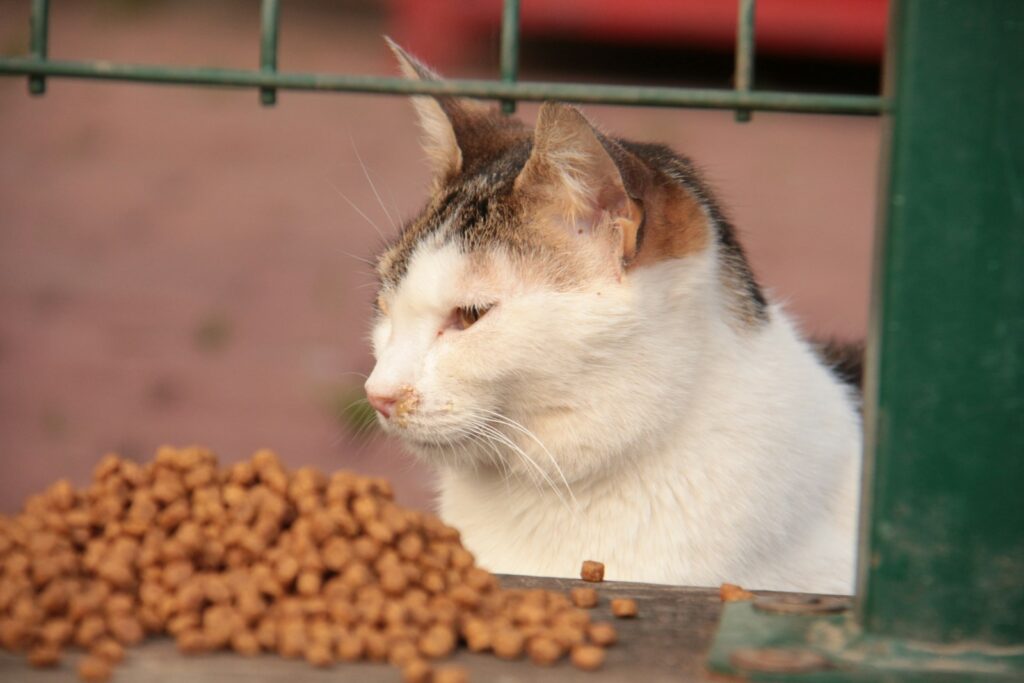
Unlike whole-food ingredients that supply calories and nutrients, additives and preservatives are included to extend shelf life, maintain texture, and enhance flavor so your cat food stays stable and appealing; you should check labels to understand which compounds are present and how they align with your cat’s needs.
Natural Preservatives
For natural preservatives, you’ll see mixed tocopherols, rosemary extract, citric acid, and ascorbic acid on labels; you can prefer these when avoiding synthetics, since they combat oxidation with fewer artificial chemicals, though they may still influence flavor and have variable effectiveness depending on formulation.
Artificial Additives
Before choosing formulas with artificial additives, be aware they include colorants, flavor enhancers, and synthetic preservatives like BHA, BHT, or ethoxyquin; you should weigh their benefits for appearance and longevity against potential allergic reactions or sensitivities in some cats.
Additives can interact with medications or exacerbate health issues in vulnerable cats, so you should consult your veterinarian for kittens, seniors, or animals with chronic conditions and prioritize ingredient transparency over marketing claims when selecting food.
Common Allergens
Allergens in cat food commonly include beef, dairy, chicken, fish, eggs, and grains like wheat or soy; these proteins and additives can cause itching, digestive upset, or recurrent ear infections. You should scrutinize ingredient lists and monitor your cat’s symptoms, as spotting patterns lets you and your veterinarian target likely triggers and improve your cat’s comfort and wellbeing.
Identification
Identification of food allergies relies on recognizing persistent signs such as chronic scratching, hair loss, vomiting, diarrhea, or frequent ear problems, and often requires an elimination diet trial under veterinary supervision. You should switch to a novel or hydrolyzed protein for 8-12 weeks, record symptom changes, and reintroduce ingredients one at a time to pinpoint the offending component.
Alternatives
By selecting limited-ingredient diets, novel proteins (like rabbit or venison), or hydrolyzed formulas, you reduce exposure to common triggers and simplify diagnosis; you should choose complete diets with a single clearly labeled protein source and consult your veterinarian before making changes to ensure nutritional adequacy.
Further steps include transitioning gradually over 7-10 days to avoid digestive upset, closely monitoring skin and stool, and maintaining follow-up with your veterinarian; if you consider home-prepared or specialty diets, work with a veterinary nutritionist to guarantee balanced nutrition and avoid accidental reintroduction of allergens.
Summing up
On the whole, when you read cat food labels you’ll find proteins like chicken or fish supplying amino acids for muscle and immune health, fats providing energy and skin and coat support, carbohydrates for digestible calories, fiber aiding digestion, vitamins and minerals balancing metabolic needs, and additives like taurine and probiotics supporting heart, vision, and gut flora-choosing foods aligned with your cat’s life stage and health needs optimizes wellbeing.