Types of Cat Food Explained: Dry, Wet, and Semi-Moist
Choosing the right cat food is not just about flavors or brands. It directly affects your cat’s digestion, hydration, energy levels, coat health, and even long term disease risk. Today, most commercial cat food falls into three main types dry, wet, and semi moist.
Each one is made differently, stored differently, and impacts a cat’s body in very different ways. Understanding these differences helps you stop guessing and start feeding with intention.
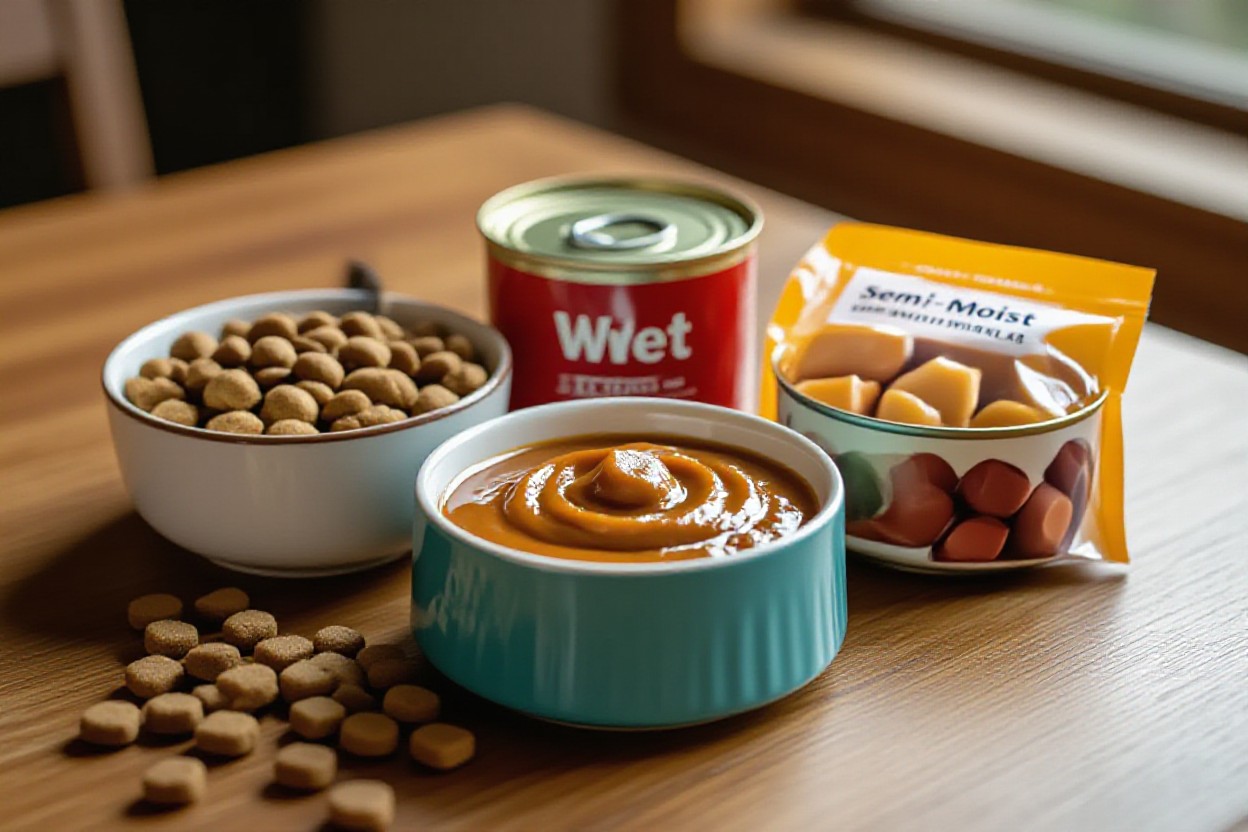
Dry food usually contains around 8 to 10 percent moisture. Wet food contains roughly 70 to 80 percent moisture, which is close to the natural water content of prey cats evolved to eat. Semi moist sits in the middle but often uses preservatives and sugars to stay soft.
These numbers matter because cats naturally have a low thirst drive and get most of their water from food. In this guide, we’ll break down how each type is made, its real benefits, its real downsides, and which type actually fits different cats and lifestyles best.
Overview of Cat Food Types
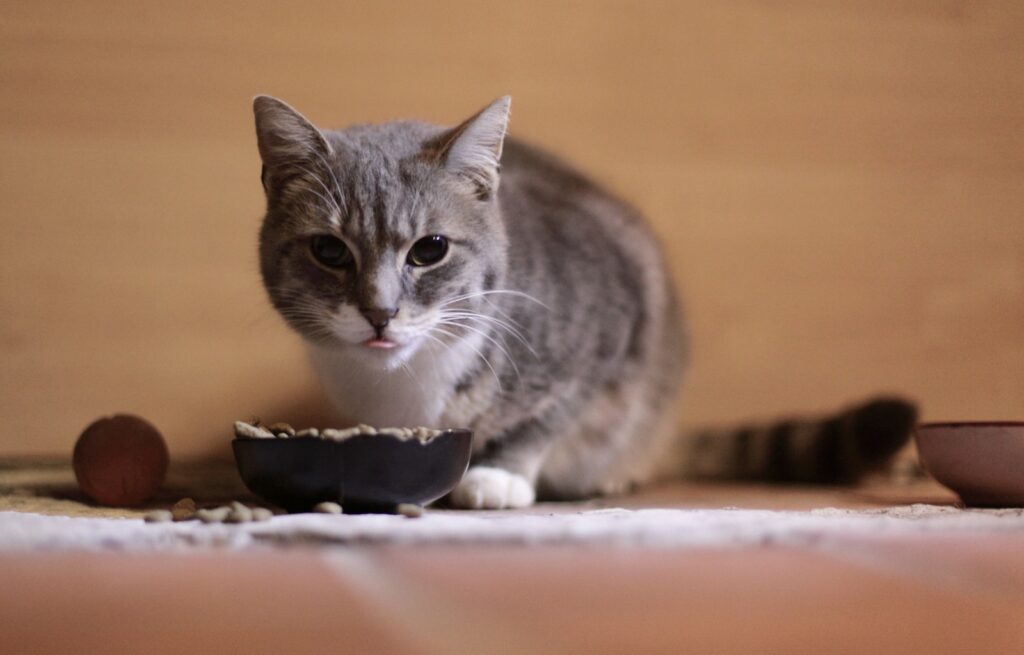
Before you choose, know the formats, pros and trade-offs:
- You get convenience and kibble texture with dry food.
- Your cat gains hydration from wet food.
- Semi-moist offers palatability but often more sugar and sodium.
| Dry | Convenient |
| Wet | Hydrating |
| Semi-moist | Palatable |
| Raw | Variable |
| Homemade | Customizable |
Recognizing your cat’s age, health, and preferences will guide your choice.
Nutritional Requirements
Types of nutrients your cat needs include complete, high-quality protein, taurine, imperative fatty acids, vitamins, minerals, and adequate water; you should select formulas labeled complete and balanced for your cat’s life stage and consult your veterinarian for specific needs.
Common Ingredients
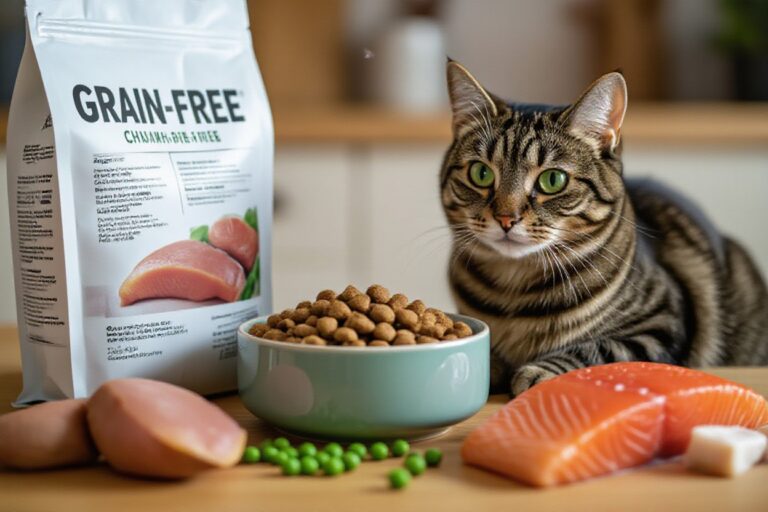
Any ingredient list you read will usually include named protein sources (chicken, fish), carbohydrates or grain-free alternatives, fats, added vitamins and minerals, and preservatives; you should look for transparency and an AAFCO statement to ensure suitability for your cat.
Common proteins supply imperative amino acids and taurine, while fats provide energy and skin support; by checking ingredient order and monitoring your cat’s reaction you can identify sensitivities and prefer whole meat sources over vague by-products.
Dry Cat Food
There’s a practical appeal to dry cat food: it’s convenient, shelf-stable, and simple to portion, which suits busy households or multi-cat homes; choose recipes with named animal proteins and controlled carbohydrates so you deliver appropriate nutrition without excess fillers.
Benefits of Dry Food
Any caregiver will value dry food’s affordability and long storage life; you can leave measured portions for free-feeding without rapid spoilage, and the crunchy texture can help reduce surface tartar while providing balanced vitamins and minerals to support your cat’s wellbeing.
Considerations for Feeding
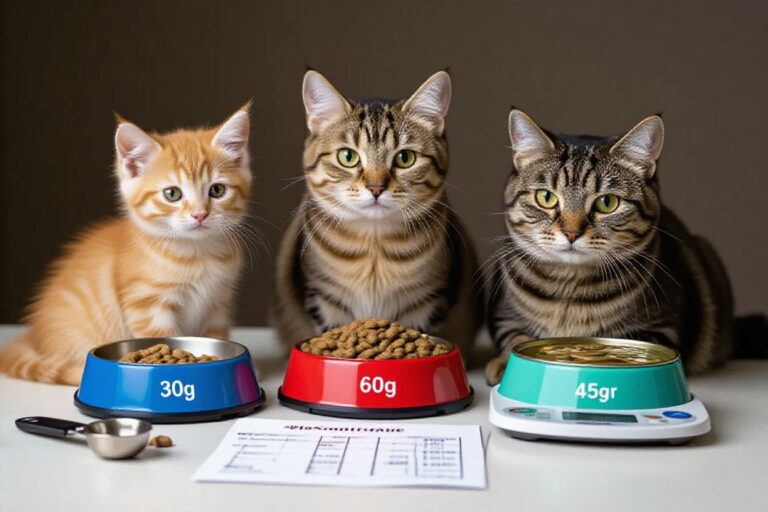
To feed dry food responsibly, you should monitor portion sizes and make sure your cat drinks enough water because kibble contains minimal moisture; check labels for high-quality protein and avoid formulas with excessive grains or simple carbs that can promote weight gain.
Indeed, you may prefer a mixed feeding plan-combine dry with wet food or provide a water fountain and wet meals to maintain hydration; kittens, seniors, and cats with urinary or kidney concerns often need higher moisture, so consult your veterinarian to tailor your cat’s diet.
Wet Cat Food
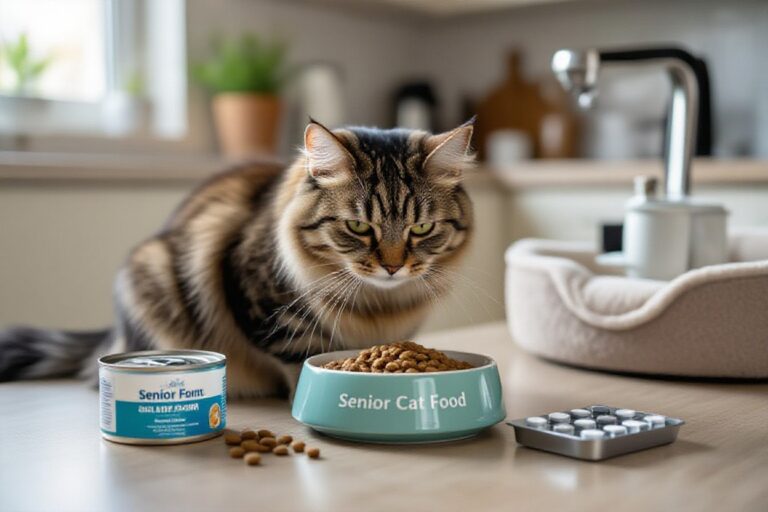
While wet cat food delivers high moisture to support hydration, you’ll find it highly palatable for picky or senior cats and typically richer in animal protein with fewer carbs than many kibbles; it can aid urinary and weight management when you control portions, but it often costs more and requires refrigeration after opening.
Advantages of Wet Food
Across its benefits, wet food increases your cat’s fluid intake, offers softer textures for dental sensitivity or dental recovery, provides dense animal-based protein that aligns with obligate carnivore needs, and helps you manage calorie intake more precisely for weight loss or maintenance when you follow feeding guidelines.
Potential Drawbacks
One common drawback is spoilage: wet food spoils quickly once opened, so you must refrigerate and serve within recommended windows; it’s also pricier per calorie than dry food and less convenient for free-feeding or travel, requiring more planning for meal schedules.
Drawbacks extend to storage and logistics: you’ll deal with more packaging waste, stronger odors, and the need to monitor multi-cat households to prevent food stealing, and because wet diets don’t provide abrasive action on teeth you’ll likely need to maintain a dedicated dental care routine for your cat.
Semi-Moist Cat Food
All semi-moist cat food sits between dry kibble and canned food in texture and convenience; you’ll find it easier to handle than wet food and more palatable than dry, so you can use it to entice picky cats or for short-term feeding while monitoring calories and additive content.
Characteristics of Semi-Moist Food
Above, semi-moist formulas typically contain 15-35% moisture, soft binders, flavor enhancers, and added sugars or salts; you should check labels for protein quality, caloric density, and preservatives to decide if a formula fits your cat’s nutritional needs.
Usage Scenarios
About specific uses, you can offer semi-moist food as an occasional treat, for short transitions between diets, or to tempt picky eaters, but you should limit portions so it doesn’t displace a veterinarian-approved complete diet.
At home, you should use semi-moist foods sparingly-mix small amounts with complete wet or dry meals to boost palatability without making it the main diet; you should monitor weight, dental health, and blood sugar if your cat has metabolic issues, and consult your veterinarian about longer-term use.
Comparing Cat Food Types
Keep your cat’s needs in mind when choosing dry, wet, or semi-moist food.
- Dry: convenient, economical
- Wet: hydrating, often higher protein
- Semi-moist: very palatable, more additives
| Type | Notes |
|---|---|
| Dry | Low cost per calorie, easy storage |
| Wet | Adds moisture, often richer in animal protein |
| Semi-moist | Highly palatable, usually more sugar/salt |
| Feeding tip | Match type to your cat’s age, health, and preference |
Thou must balance convenience, nutrition, and your cat’s health when deciding.
Cost Analysis
Any budget you set will affect your choice: dry food typically costs less per serving, wet food is pricier but can reduce dehydration-related issues, and semi-moist often sits mid-to-high due to processing; factor serving size, feeding frequency, brand quality, and any special dietary needs to estimate your true monthly expense.
Palatability and Acceptance
At mealtimes you’ll find aroma, texture, and temperature shape your cat’s acceptance; wet foods and pâtés often score higher, while warming food slightly can boost appeal; you should trial small portions and note what reliably encourages healthy intake.
Hence you should introduce new options gradually, rotate flavors to prevent boredom, and consult your veterinarian if your cat persistently rejects food, since appetite changes can indicate underlying health issues.
Choosing the Right Cat Food
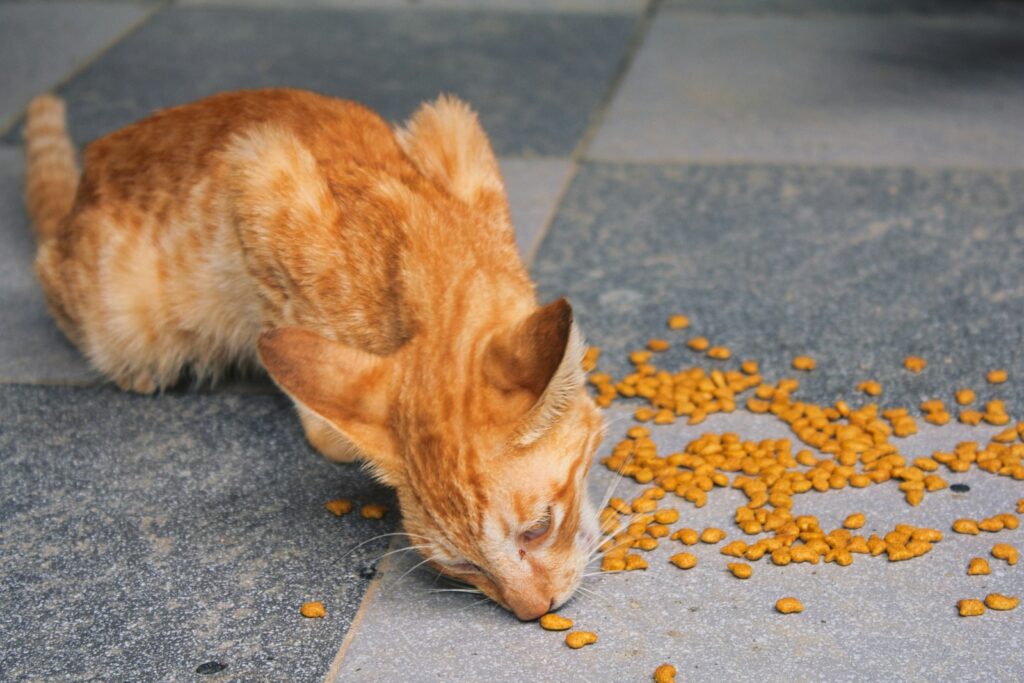
Your cat’s age, activity level, medical needs and taste determine whether dry, wet or semi‑moist food is best; you should prioritize high animal‑protein sources, appropriate calorie levels, hydration and ingredient transparency while consulting your veterinarian to match formulas to your cat’s specific needs.
Factors to Consider
Along with your vet’s input, evaluate these elements before selecting food:
- Life stage: kitten, adult, senior
- Health conditions: allergies, kidney or dental issues
- Texture preferences and palatability
- Ingredient quality and protein source
- Hydration needs and caloric density
- Budget and availability
This guides you to a choice that supports your cat’s wellbeing and long‑term nutrition.
Tips for Transitioning Cats
By introducing new food gradually you reduce digestive upset; follow these practical steps:
- Mix increasing proportions of the new food over 7-10 days
- Offer small, regular meals and monitor appetite and stool
- Warm wet food or add low‑sodium broth to improve acceptance
- Maintain consistent feeding times and bowls
The vet can recommend a faster or modified plan if your cat has medical needs or persistent refusal.
It helps you to watch your cat’s behavior and adjust the pace during a switch:
- Slow down if you observe vomiting or loose stools
- Limit treats to avoid confusing preferences
- Try alternative textures or brands if one is rejected
- Use calming tools like pheromone diffusers to reduce stress
The gradual, observant approach increases the chance your cat will accept the new diet.
Summing up
Summing up, you should weigh the benefits of dry, wet, and semi‑moist cat food against your cat’s age, health, dental condition, hydration needs, and your budget and lifestyle.
Dry offers convenience and dental abrasion, wet provides hydration and palatability, and semi‑moist suits picky eaters but often contains more additives.
Combine types or consult your veterinarian to create a balanced feeding plan that meets your cat’s individual needs.