

Dog Feeding Schedule Explained: Puppies, Adults, and Senior Dogs
There’s a clear feeding framework for dogs that shifts as they progress from puppy to adult to senior, and you should tailor timing, portion size, and nutrient density accordingly. Puppies need frequent, measured meals for growth and blood sugar stability; adults typically thrive on two balanced meals daily; seniors often benefit from smaller, nutrient-dense portions and more frequent monitoring.
Consult your veterinarian to adjust for breed, activity, and health conditions to keep your dog at an ideal weight and energy level.
Understanding Canine Nutritional Needs
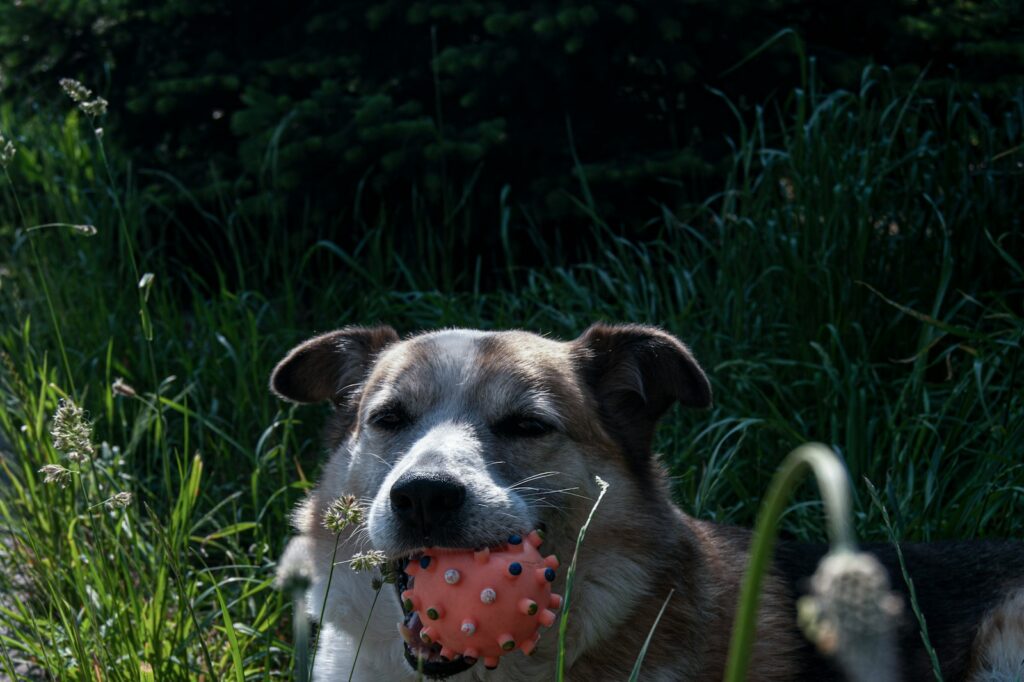
Your dog’s nutritional needs change with life stage, activity and health; you should provide balanced calories, proteins and fats to support growth, maintenance and energy, adjust portions to prevent obesity or malnutrition, and consult your veterinarian for tailored feeding plans that consider breed, size and medical conditions.
Key Nutrients for Dogs
Along with water, you should focus on high-quality protein for muscle, fats for energy and skin health, carbohydrates for digestible calories, vitamins and minerals for metabolic functions, and fiber for gut health; balance and bioavailability determine how well your dog uses each nutrient.
Importance of Age-Specific Diets
With puppies, adults and seniors requiring different calorie counts, nutrient ratios and feeding frequencies, you must adapt your schedule and formula to match development, activity and slowing metabolism, which supports growth, maintains weight and reduces disease risk as your dog ages.
Plus, you should transition diets gradually over 7-10 days, monitor weight and stool quality, and discuss supplements or therapeutic diets with your veterinarian if your dog shows joint, dental or digestive changes linked to aging.
Puppies: Feeding Schedule and Guidelines
You should structure feeding around age, size, and activity: very young pups need frequent small meals, growing puppies require nutrient-dense puppy formulas, and transitions to adult food depend on breed and development-consult your vet for timing and adjustments to keep growth steady and healthy.
Ideal Feeding Frequency
For most puppies, offer 4 meals daily until about 8-12 weeks, then 3 meals until roughly 4-6 months, switching to 2 meals a day as they approach adulthood; tiny breeds may need more frequent feedings while large-breed puppies benefit from controlled, evenly spaced meals to support steady growth.
Portion Control and Food Selection
Between regulated portion sizes and a balanced puppy formulation, use the feeding guide on the food label, measure meals, and assess your puppy’s body condition to avoid over- or underfeeding; prioritize complete puppy diets formulated for age and breed size and limit high-calorie treats.
In fact, caloric needs vary widely by breed and activity-small breeds burn more per pound, large breeds need slower growth to protect joints-so adjust portions based on weight trends, growth charts, and veterinary guidance, and transition foods gradually over 7-10 days to prevent digestive upset.
Adult Dogs: Establishing a Consistent Routine
There’s power in a consistent feeding routine for adult dogs: you should feed at set times each day-typically twice-to regulate digestion, manage weight, and support training; measure portions, monitor your dog’s body condition, adjust for activity levels, and limit ad‑lib snacking so you maintain predictable energy and behavior.
Daily Feeding Amounts
Above all, base portions on your dog’s ideal weight and activity: you should use the food label as a starting guideline, measure food precisely, split into regular meals, and reassess every few weeks using a body condition score to tweak calories up or down.
Considerations for Active vs. Sedentary Dogs
With active dogs, increase calories, protein and feeding around higher activity, and you should monitor hydration and recovery; for sedentary dogs, reduce portion size and caloric density, prioritize fiber and nutrient balance, and limit treats to prevent weight gain while preserving muscle.
Sedentary dogs need strict portion control and routine weight checks: you should select lower‑calorie diets if needed, add gentle daily exercise, limit high‑calorie treats, track muscle mass, and consult your veterinarian to set precise calorie targets and rule out medical causes of decreased activity.
Senior Dogs: Adjusting the Feeding Schedule
Despite a slower metabolism and changing activity levels, you should adjust feeding frequency, portion size, and mealtime consistency to maintain healthy weight and digestion; consult your vet for individualized timing if medications or conditions affect appetite.
Nutritional Changes for Older Dogs
Nutritional needs shift as your dog ages: prioritize high-quality, easily digestible protein to preserve muscle, moderate fat to control weight, add fiber for gut health, and consider supplements (omega-3s, joint support) under your vet’s guidance.
Addressing Health Concerns through Diet
Senior dogs often face kidney disease, diabetes, arthritis, and dental loss; you can manage symptoms by choosing prescription or therapeutic diets, adjusting sodium and phosphorus, offering softer textures, and monitoring blood glucose and weight with veterinary oversight.
Older dogs benefit from small, frequent meals, warmed or moistened food for easier chewing, measured calorie control, targeted therapeutic formulas, supplements such as glucosamine and EPA/DHA for joints and inflammation, gradual diet transitions, and close monitoring of appetite, stool, and body condition while keeping your vet informed.
Common Feeding Mistakes to Avoid
Many owners feed on impulse or follow outdated rules, causing inconsistent portions, improper mealtimes, and unhealthy treats; you should set a routine, measure portions, and adapt feeding to life stage and activity to prevent weight issues, digestive upset, and behavioral problems while consulting your vet when in doubt.
Overfeeding and Its Consequences
Below, overfeeding leads to obesity, joint strain, reduced mobility, and increased risk of diabetes and pancreatitis; you may shorten your dog’s lifespan and complicate management of other conditions, so you should calculate caloric needs, measure meals, limit high-calorie treats, and consult your vet to adjust portions as your dog ages or changes activity.
Ignoring Dietary Restrictions
Beside ignoring allergies or medical diets, offering forbidden foods can trigger vomiting, diarrhea, or life-threatening reactions; you must follow prescribed diets for conditions like kidney disease, pancreatitis, or food allergies and avoid feeding leftovers that contain harmful ingredients such as onion, garlic, grapes, or excess fat.
And you should read ingredient labels, inform kennels and sitters about restrictions, and introduce any diet changes gradually to monitor tolerance; supplements and treats should be approved by your vet, and if you suspect an adverse reaction, stop the food immediately and seek veterinary advice.
Tips for Creating a Feeding Schedule
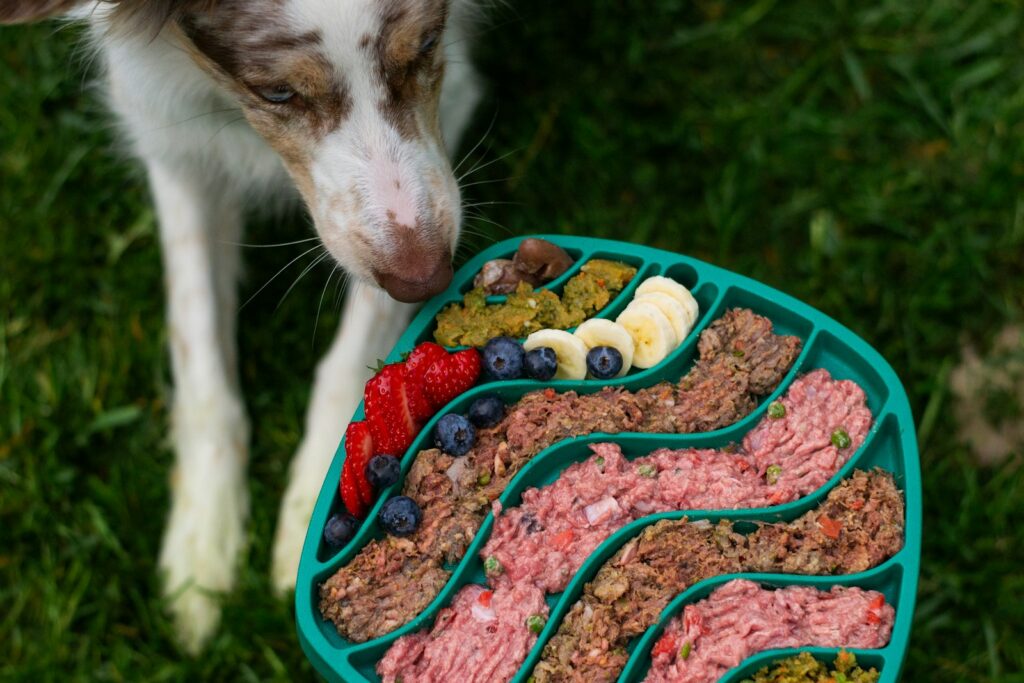
All feeding routines work best when you set consistent times, adjust portions for life stage, and remain flexible for vet guidance and activity changes.
- Schedule meals by age and energy
- Measure portions to control weight
- Note medical or behavioural needs
After you track your dog’s response and weight for a week or two, fine‑tune timing and amounts to keep your pet healthy and energized.
Time Management and Meal Timing
An efficient feeding plan fits your daily rhythm and your dog’s digestion: feed smaller, more frequent meals to puppies, twice daily for most adults, and consider three or more light meals for seniors; you should avoid heavy exercise within an hour of eating and aim for consistent meal windows each day to stabilize appetite and bowel habits.
Incorporating Treats and Snacks
Between meals, use measured treats for training and enrichment while counting those calories toward the daily total; you should choose nutrient‑appropriate, low‑calorie options, control frequency, and reserve high‑value rewards for special occasions or difficult training tasks to prevent weight gain.
At training sessions break treats into small pieces, alternate food rewards with praise or play, use puzzle feeders to slow intake, and swap high‑calorie snacks for vegetables or formulated low‑calorie treats so you can reinforce behavior without undermining your dog’s diet goals.
Final Words
Now you understand how feeding frequency, portion size, and meal timing shift from puppies through adults to senior dogs; apply this structure to tailor meals for breed, activity level, and medical needs, consult your veterinarian for personalized adjustments, and monitor weight and appetite so you can maintain your dog’s health throughout every life stage.