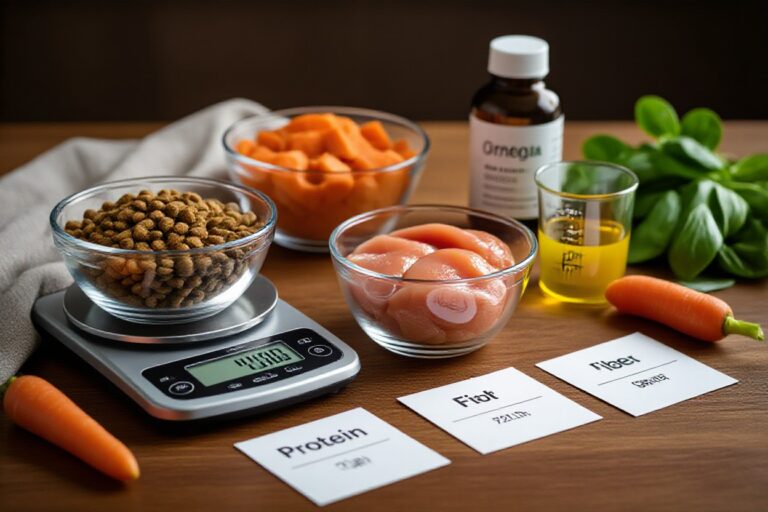

The Ultimate Guide to Healthy Homemade Dog Treats
With straightforward recipes, vet-backed nutrition tips, and step-by-step techniques, you can make wholesome treats that suit your dog’s age, size, and health needs; this guide teaches safe ingredients, portion control, and storage practices so your homemade snacks boost nutrition without added fillers or harmful additives.
Benefits of Homemade Dog Treats
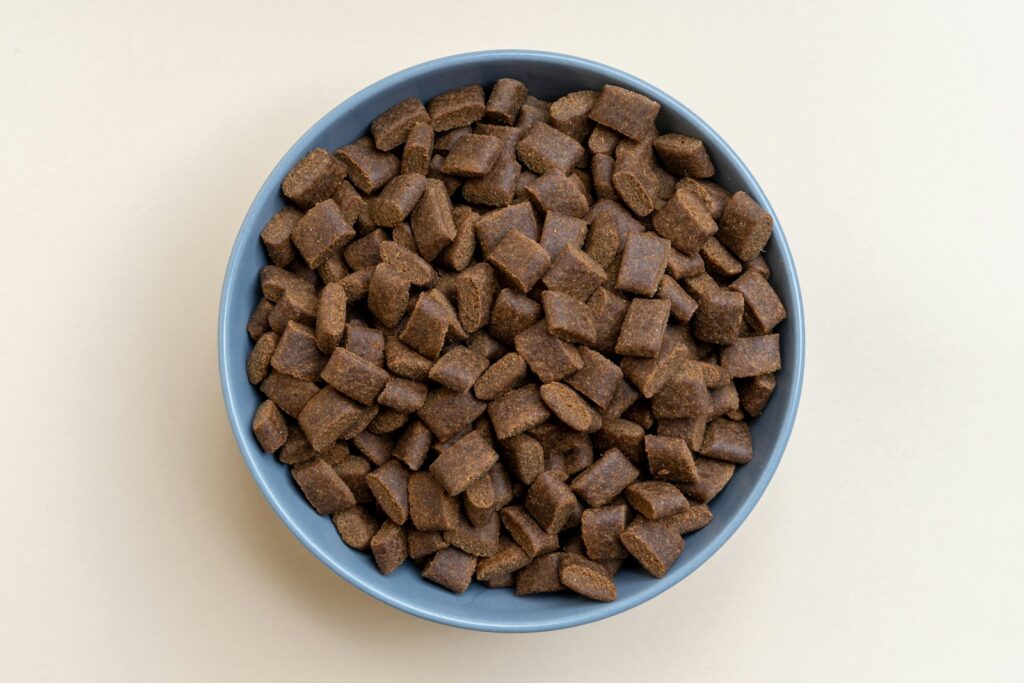
Before you buy packaged snacks, making treats at home lets you control ingredients, accommodate allergies, and reduce additives and preservatives; you can tailor flavor, texture, and nutrition to your dog’s needs while strengthening your bond through hands-on care.
Health Advantages
One major benefit is ingredient transparency: you choose whole foods, manage fats, salt, and sugars, and avoid artificial dyes and preservatives, so you can address sensitivities, support weight management, and boost overall wellbeing with targeted nutrients.
Cost-Effectiveness
With basic pantry staples and bulk purchases, you can produce many treats for less than commercial options, minimize packaging waste, and stretch specialty ingredients across multiple batches to keep quality high while lowering per-treat cost.
At scale, batch baking and freezing let you save time and money; by prioritizing inexpensive, nutritious ingredients and repurposing safe kitchen scraps, you maintain treat quality while controlling your budget and reducing impulse purchases of costly store items.
Essential Ingredients for Dog Treats
Now you can build healthy, balanced treats using simple pantry staples like whole-grain flours, pureed vegetables, lean proteins, and dog-safe oils; these ingredients provide fiber, vitamins, and healthy fats so your treats are both tasty and nourishing for your dog.
Dog-Safe Flours
The best flours for homemade dog treats include oat, brown rice, and chickpea flour, which offer digestible carbohydrates and fiber; you can mix them to adjust texture and avoid wheat if your dog shows sensitivity.
Nutritious Additives
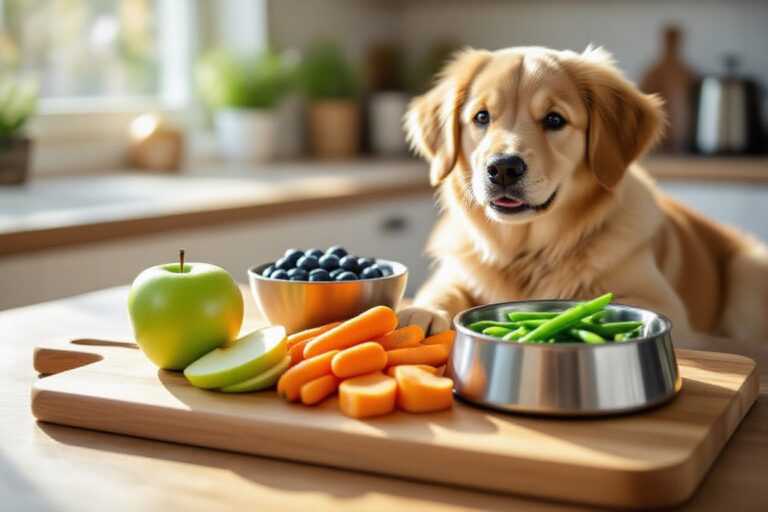
At the same time, you should boost treats with pureed pumpkin, mashed banana, grated carrot, or cooked sweet potato for vitamins and moisture, and add plain yogurt or cottage cheese sparingly for probiotics and protein.
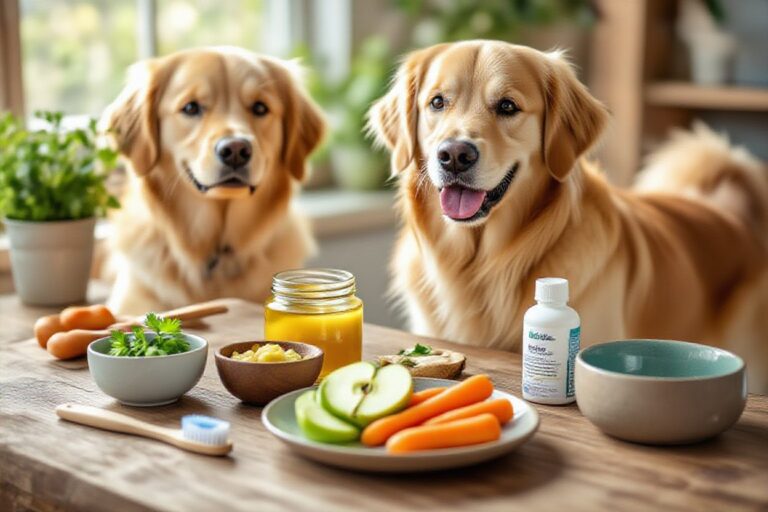
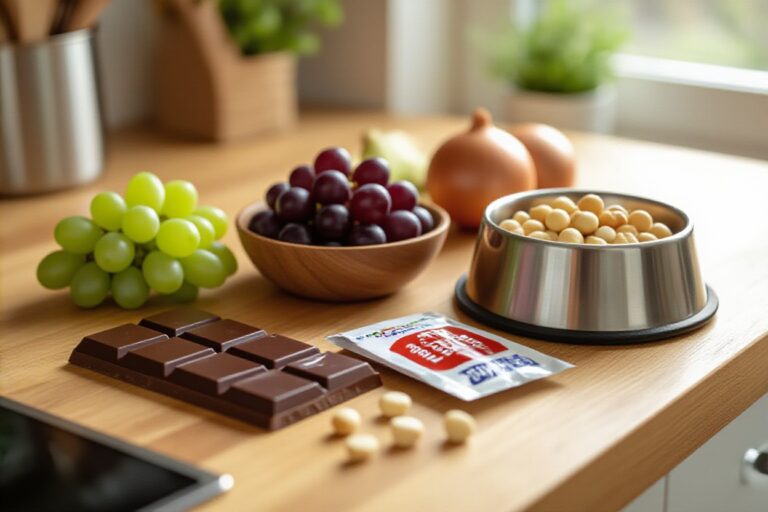
With careful selection you can include omega-3 sources like fish oil or a teaspoon of ground flaxseed, a touch of unsweetened applesauce for palatability, and safe herbs like parsley for breath, while avoiding xylitol, onion, garlic, grapes, and chocolate; consult your vet when adding supplements to your dog’s diet.
Easy Homemade Dog Treat Recipes
It shows you how to make simple, nutritious treats using fresh, dog-safe ingredients so your pet enjoys tasty snacks without additives, letting you control protein, carbs and fats for balanced, personalized rewards.
No-Bake Treats
After combining dog-safe staples like oats, pureed pumpkin and plain peanut butter (no xylitol), you can form bite-sized balls, freeze portions for training, and adjust flavors for allergies while avoiding preservatives.
Baked Treats
Behind baked treats is longer shelf life and firmer texture; you can use whole-grain flours, cooked sweet potato, lean meat and eggs as binders, and bake at moderate temperatures to achieve a crunchy, nutrient-retaining result.
Easy baking tips for you: measure ingredients, test a small batch to fine-tune moisture, cool fully before serving, store in airtight containers or freeze for longevity, and size treats to match training or chewing needs.
Storage and Shelf Life
All homemade dog treats vary in shelf life, so you should store them by type and moisture content: dry, baked, refrigerated or frozen. Label containers with dates, keep treats airtight and away from heat and humidity, and rotate older batches first to ensure your dog eats the freshest treats possible.
Proper Storage Techniques
Among best practices, you should use airtight glass or BPA-free plastic containers, keep shelf-stable biscuits in a cool dark cupboard, refrigerate recipes with wet ingredients for 7-10 days, and freeze for longer storage. Portion into single-serve packs, cool treats completely before sealing, and label each package with date and contents.
Signs of Spoilage
Shelf-life warning signs include visible mold, off or rancid odors, sticky or slimy textures, significant discoloration, or pest presence; if you see any of these, discard the treats immediately. Your dog’s appetite may change when a treat is spoiled, but never rely on behavior alone to assess safety.
Signs can be subtle: fats may smell painty or sour as they oxidize, dried treats may develop soft spots or white powdery growth, and added moisture can cause fermentation. If your dog becomes unusually lethargic, vomits, or has diarrhea after a treat, stop feeding that batch and consult your veterinarian.
Customizing Treats for Dietary Restrictions
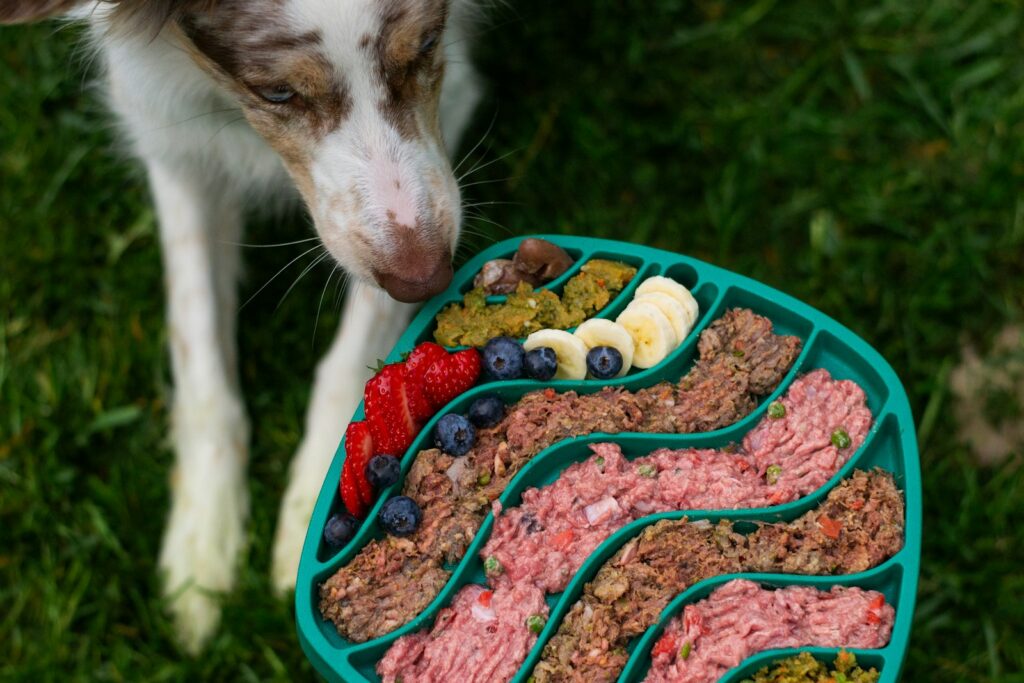
Not all dogs tolerate the same ingredients; you can tailor recipes by swapping proteins, grains, and fats to fit health needs, consulting with your vet for medical conditions, and tracking how your dog responds to new recipes to ensure balanced nutrition and enjoyable treats.
Gluten-Free Options
By choosing gluten-free flours like oat, rice, or chickpea, you can make wholesome treats for dogs with sensitivities, balancing textures with binders like egg or pumpkin and testing small batches to confirm digestion and palatability before offering regularly.
Allergy-Friendly Ingredients
Dietary swaps such as novel proteins (duck, rabbit), hypoallergenic flours, and single-ingredient snacks let you identify triggers while keeping treats nutritionally satisfying; consult your vet to design elimination trials and safe long-term options for your dog.
Considering elimination diets, you should introduce one new ingredient at a time for two to four weeks and log symptoms; avoid common allergens like beef, dairy, and wheat while offering balanced alternatives and consulting lab tests if reactions persist.
To wrap up
So you can confidently prepare healthy homemade dog treats by choosing safe, nutrient-appropriate ingredients, testing for allergies, controlling portion sizes, and following hygienic preparation and proper storage; consult your veterinarian to tailor recipes to your dog’s needs, use treats as part of balanced feeding and training, and enjoy the bonding benefits while prioritizing safety and moderation.