How Diet Affects a Cat’s Digestion, Coat, and Energy
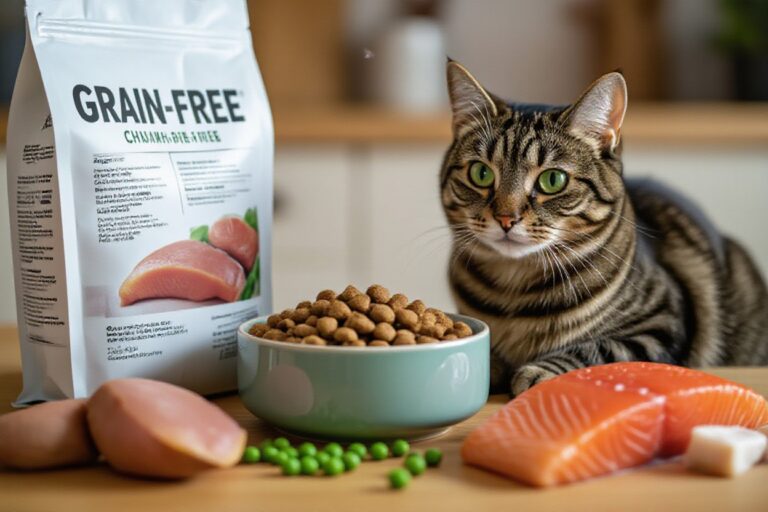
Many cat owners underestimate how diet shapes your cat’s digestion, skin and coat condition, and daily energy levels; feeding balanced protein, crucial fatty acids, fiber and hydration supports healthy stool, shiny fur, and sustained activity.
You can evaluate food labels, adjust portions to life stage and weight, and consult your veterinarian to tailor nutrition that prevents common digestive issues, dull coats, and sluggishness.
Understanding Cat Digestion
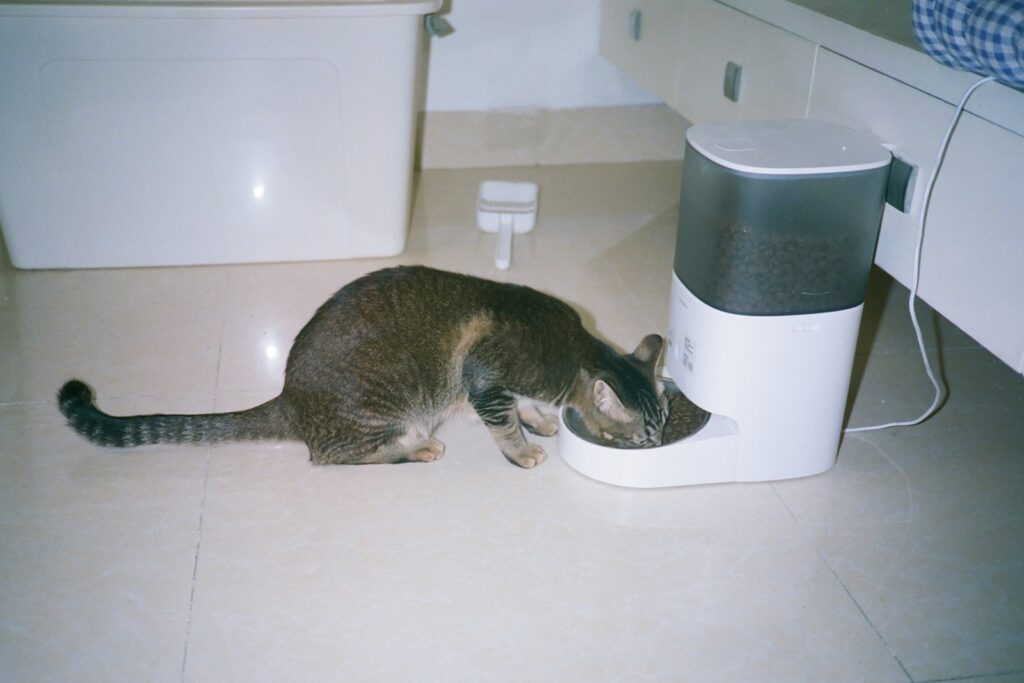
Before you choose a diet, understand that your cat is an obligate carnivore with a short gastrointestinal tract adapted for animal protein and fat; digestion depends on specialized enzymes and nutrients like taurine, so diet quality directly affects nutrient absorption, stool consistency, coat condition and your cat’s energy.
The Digestive System of Cats
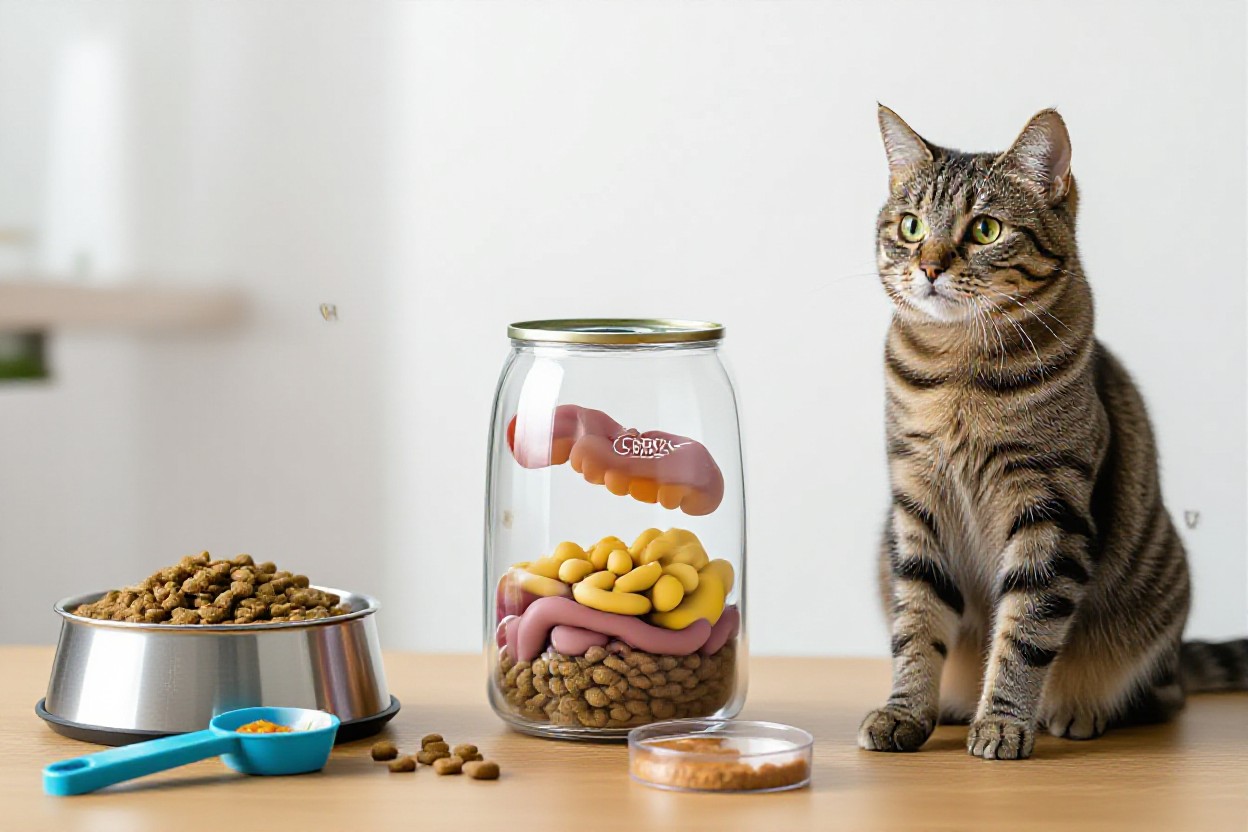
With a compact digestive tract and sharp teeth, your cat is designed to eat and rapidly process meat; the stomach, pancreas, liver and small intestine produce proteolytic and lipolytic enzymes, while limited carbohydrate enzymes mean high-carb feeds can challenge digestion and alter transit time and microbiome balance.
Role of Diet in Digestion
At the core of healthy digestion is diet composition: sufficient animal protein maintains enzyme activity and taurine, dietary fat supplies concentrated energy and supports vitamin absorption, moisture aids hydration and stool quality, and lower carbohydrate and appropriate fiber levels reduce fermentative upset and promote nutrient uptake.
To support digestion, you should select high-quality animal proteins, moderate fats, minimal simple carbohydrates and adequate moisture, introduce diet changes slowly, consider limited-ingredient or novel-protein options for sensitivities, and consult your veterinarian about probiotics or therapeutic diets when digestive issues affect appetite, weight or coat health.
Impact of Diet on Coat Health
Now you should know that your cat’s coat reflects their nutrition: high-quality protein, balanced fats, and adequate vitamins and minerals support a glossy, resilient fur, while poor diets lead to dullness, brittle hair, and more shedding; choosing a complete, species-appropriate diet and ensuring hydration helps maintain skin barrier function and the natural sheen of your cat’s coat.
Nutritional Components for a Shiny Coat
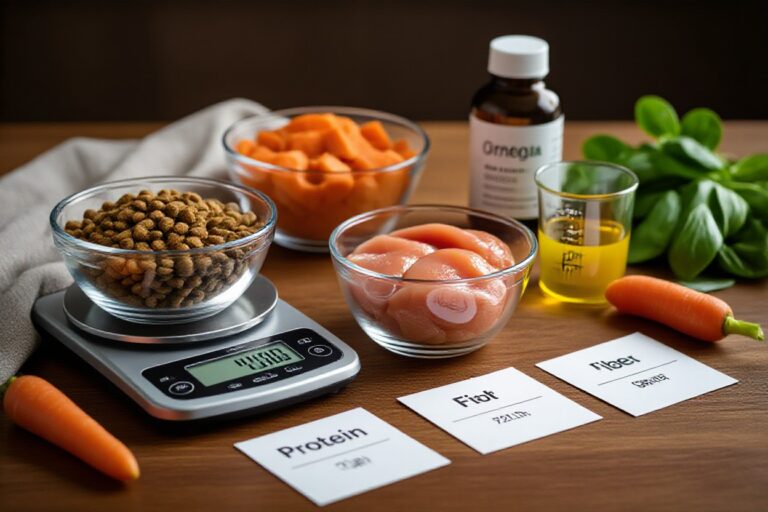
About the nutrients that matter: animal-based protein provides amino acids for hair structure, omega-3 and omega-6 fatty acids reduce inflammation and add luster, vitamins A and E support skin cell health, and zinc and biotin aid hair growth; you improve coat condition by feeding balanced formulas or vet-guided supplements when deficits are suspected.
Common Dietary Deficiencies and Their Effects
Deficiencies in crucial fatty acids, high-quality protein, zinc, biotin, or fat-soluble vitamins often produce a dull, coarse coat, increased shedding, dry flaky skin, scaly patches, and slower hair regrowth, which can leave your cat more prone to irritation and secondary skin infections.
Due to specific shortages, omega-3 deficiency typically causes dry, inflamed skin and brittle fur; insufficient protein yields thin, weak hair and poor regrowth; zinc or biotin lack can produce alopecia and scaly lesions; vitamin A/E shortfalls impair skin repair and antioxidant protection-consult your veterinarian for diagnosis and tailored dietary correction rather than unsupervised supplementation.
The Relationship Between Diet and Energy Levels
If your cat’s diet lacks adequate calories, high-quality protein, and bioavailable fats, you will notice reduced activity, slower reflexes, and poorer cognitive engagement; conversely, a balanced diet tailored to life stage and activity supports stable energy, sustained play, and brighter alertness, so you should match food type and portioning to your cat’s needs.
Nutritional Sources of Energy
Around 90% of your cat’s energy should come from protein and fat, since cats are obligate carnivores; proteins supply amino acids for muscle and metabolism while fats provide concentrated calories and important fatty acids-carbohydrates play a minor role-so you should choose diets with high-quality animal ingredients and appropriate calorie density for your cat’s life stage.
Signs of Energy Deficiency in Cats
An under-energized cat will show persistent lethargy, decreased interest in play, unexplained weight loss, poor coat condition, reduced grooming, and slower recovery after activity; you may also notice low body temperature, frequent hiding, or changes in appetite that indicate you should evaluate diet and health promptly.
The best response is to assess caloric intake, switch to a higher-quality or life-stage-appropriate formula, ensure regular feeding times, and consult your veterinarian for screening of underlying illness or metabolic issues; you may need blood tests, a tailored feeding plan, or therapeutic diets to restore normal energy and weight.
Choosing the Right Diet for Your Cat
Keep your cat’s age, activity level, health conditions, and preferences in mind when selecting food; choose formulas with high-quality animal protein, appropriate fats, and limited fillers, and opt for life-stage or therapeutic diets as needed. You should transition gradually, monitor digestion, coat condition, and energy, and prioritize brands that provide transparent ingredient sourcing and complete-and-balanced statements to support long-term wellbeing.
Analyzing Pet Food Labels
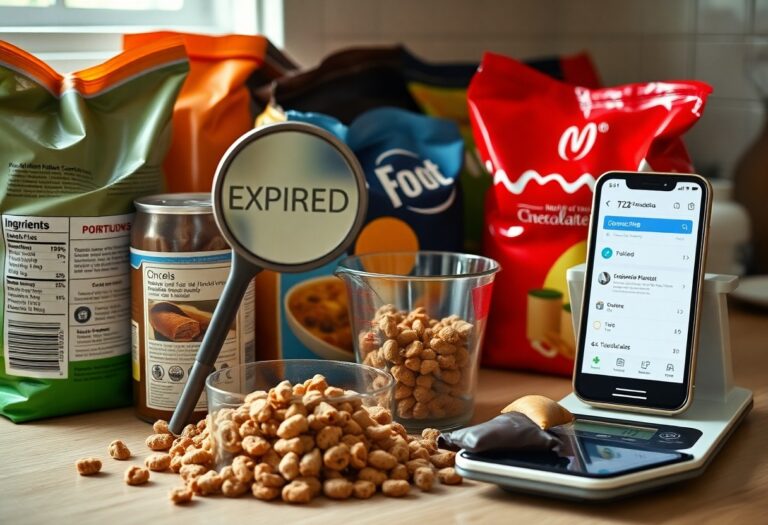
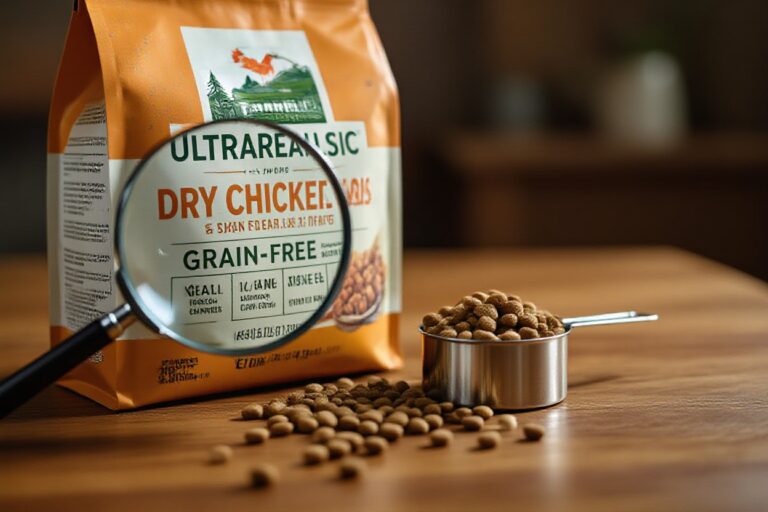
Around the label you should check that named animal proteins (chicken, salmon) appear first, review the guaranteed analysis for protein and fat levels, look for an AAFCO statement certifying complete and balanced nutrition for your cat’s life stage, and be wary of vague terms like “meat meal” or marketing claims; use feeding guidelines only as a starting point and adjust for your cat’s condition.
Consulting with a Veterinarian
One important action you can take is to consult your veterinarian so they can evaluate your cat’s weight, digestive health, allergies, and energy levels, recommend prescription or specialized diets when necessary, advise on safe transitions, and set measurable goals to improve digestion, coat quality, and overall vitality.
Due to the individualized nature of feline nutrition, you should bring a detailed feeding history, photos of body condition, and notes on stool, vomiting, or coat changes to appointments; ask about elimination-diet protocols, expected timelines for improvement, appropriate supplements, and scheduled follow-ups so your vet can objectively assess progress and adjust the plan for optimal results.
Special Dietary Needs for Different Cat Life Stages
Unlike adult feeding, each life stage demands specific nutrient balances, and you must adjust your cat’s diet to support growth, maintenance, reproduction, or aging so digestion, coat health, and energy stay optimal throughout their life.
Kittens
To support rapid growth you should feed kitten-formulated diets rich in high-quality animal protein, calories, DHA, and vital fats, provide frequent small meals, and monitor stool and weight so your kitten develops strong digestion, a healthy coat, and steady energy.
Senior Cats
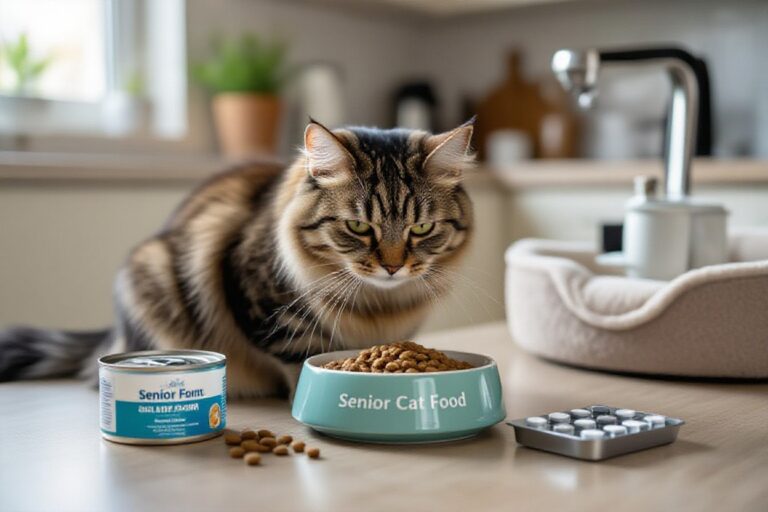
Between reduced activity and age-related organ changes, your senior cat benefits from easily digestible protein, controlled calories, joint-support nutrients, added moisture, and adjusted mineral levels to preserve energy, weight, and coat condition.
Due to declining kidney, dental, and metabolic function you should work with your veterinarian to tailor protein quality and quantity, consider renal-friendly adjustments, add omega-3s for inflammation, and choose palatable, soft textures so your cat eats reliably and maintains body condition.
Homemade Diets vs. Commercial Diets
Once again, when you weigh homemade against commercial diets you must consider how each impacts digestion, coat condition and energy – homemade allows ingredient control and avoidance of fillers, while commercial diets offer consistent nutrient formulation and convenience; your cat’s age, health and lifestyle determine which route supports stable digestion, glossy fur and sustained activity best.
Advantages and Disadvantages
With homemade diets you gain control over proteins and allergens but risk nutrient gaps without expert formulation; commercial diets provide balanced vitamins, minerals and testing yet vary in ingredient quality and processing; you should balance convenience, cost and your willingness to consult a veterinary nutritionist when choosing.
Ensuring Balanced Nutrition
Below, ensure any diet meets feline-specific requirements like taurine, appropriate protein and fat ratios, and imperative vitamins; have recipes reviewed by a veterinary nutritionist, use supplements as directed, perform periodic bloodwork and track your cat’s weight, coat and stool to confirm adequacy.
Balanced homemade plans should follow AAFCO or veterinary guidelines and include adequate taurine, arginine, preformed vitamin A, vitamin D, B vitamins and appropriate omega-3/6 ratios; you should avoid improvising recipes, use lab-proven supplements when needed, and schedule follow-ups with your veterinarian to adjust levels based on clinical signs and bloodwork.
Summing up
Presently, you can see that a balanced diet determines your cat’s digestion, coat, and energy: high-quality proteins and appropriate fats support efficient digestion and sustained energy, while omega-3s and amino acids nourish a glossy coat; conversely, poor nutrition leads to digestive upset, dull fur, and lethargy, so tailor feeding to life stage and health needs.