Natural Remedies for Your Dog’s Bad Breath
Most cases of your dog’s bad breath come from dental plaque, diet, or digestive imbalances, and you can improve it with natural steps: brush with canine-safe toothpaste, offer dental chews and crunchy vegetables, add probiotics and fresh parsley to meals, and keep water accessible; if breath stays foul, have your veterinarian evaluate for underlying issues.
Understanding Bad Breath in Dogs
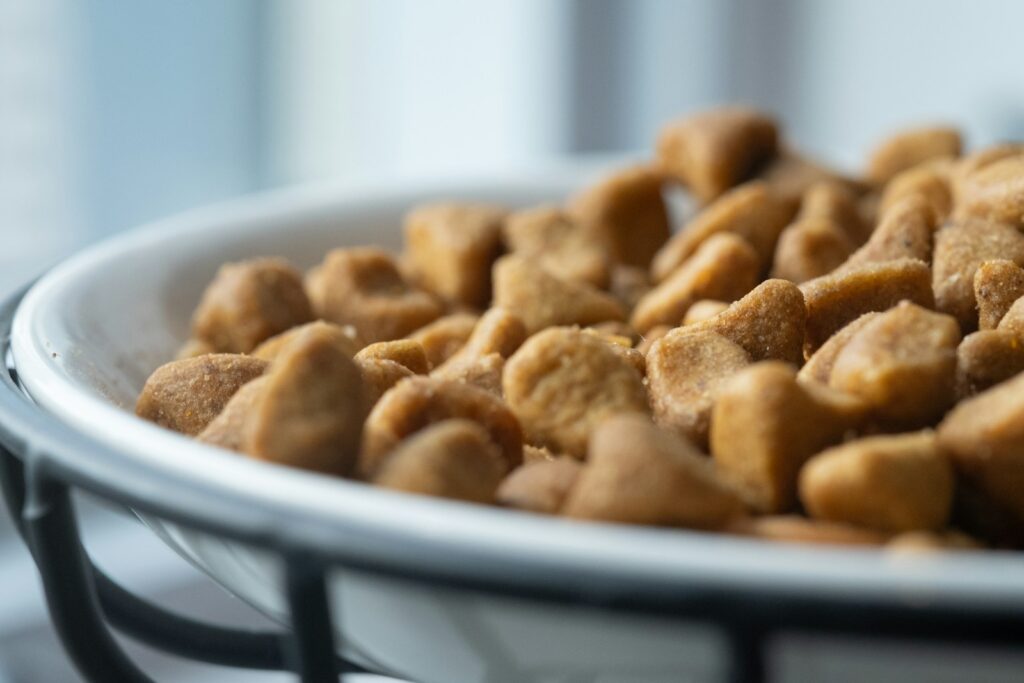
Before you try home treatments, understand that bad breath in dogs can indicate dental disease, dietary issues, or systemic illness; knowing the likely causes helps you choose safe remedies and decide when professional care is needed.
Common Causes
Against assumptions that treats alone fix halitosis, the most common causes are plaque and periodontal disease, though foreign objects, gastrointestinal upset, metabolic disorders, and infections can also make your dog’s breath foul-identifying the source directs effective action.
Identifying Symptoms
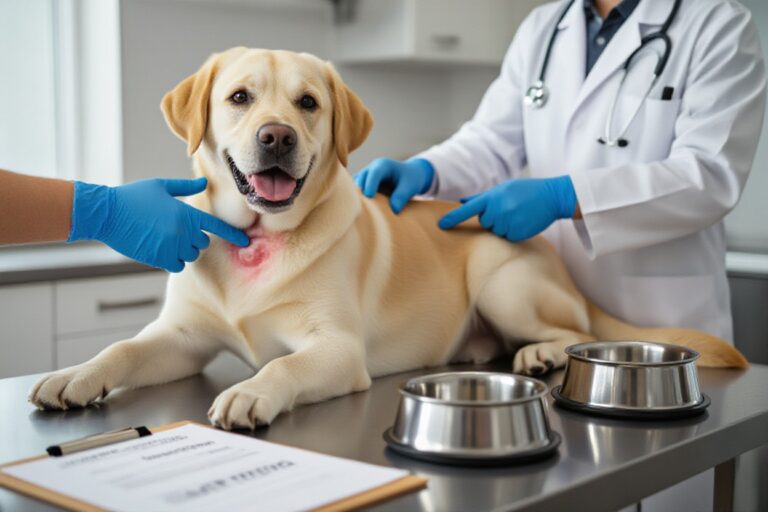
Around the odor, you should look for tartar buildup, red or bleeding gums, loose teeth, drooling, trouble chewing, decreased appetite, or increased thirst-these signs help you determine whether the problem is oral or systemic and if urgent vet care is needed.
Even subtle cues matter: if your dog chews on one side, paws at the mouth, or develops sudden bad breath after a new food or medication, document timing and behavior so you can give your vet clear information for diagnosis and targeted treatment.
Dietary Changes
Even small dietary adjustments can noticeably improve your dog’s breath; switching to high-quality proteins, dental-formulated kibble, and limiting table scraps reduces odor-causing bacteria and tartar buildup. You should offer fresh water constantly, provide crunchy treats that help scrape plaque, and consider a vet-approved probiotic to support a healthier oral microbiome-consult your veterinarian before major diet shifts.
Best Foods for Oral Health
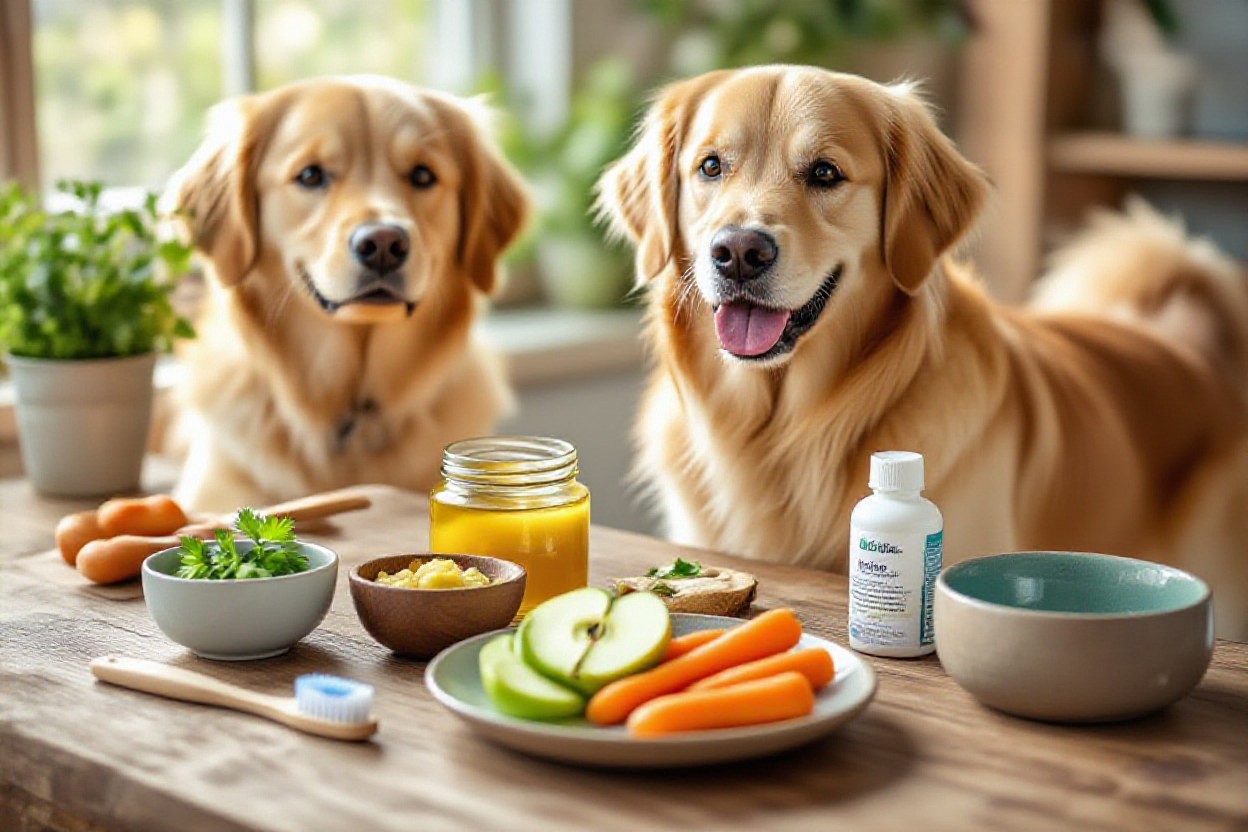
Around half of dogs benefit from foods that mechanically clean teeth: dental kibble designed for abrasion, raw or steamed carrots, and apple slices (without seeds) help remove plaque. Include omega-3 rich fish or supplements to reduce gum inflammation and offer plain probiotic yogurt in small amounts to support oral flora, checking with your vet first.
Home-Cooked Meal Options
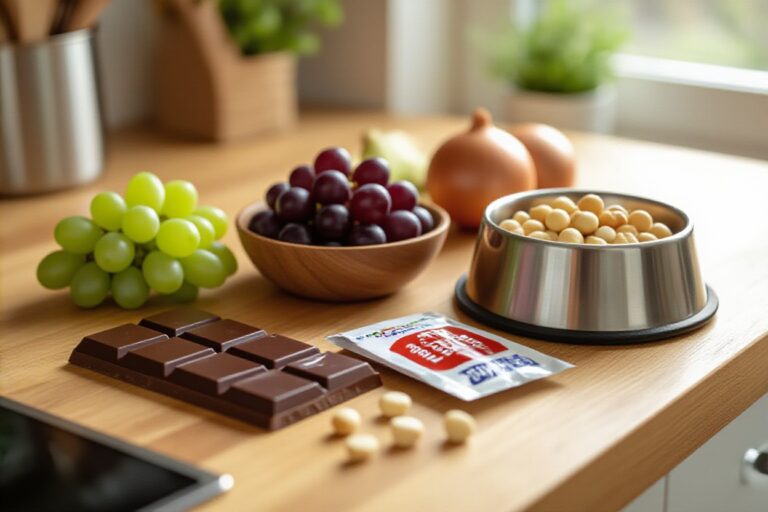
Above, when you prepare home-cooked meals aim for balance with lean cooked meats, whole grains like rice or oats, and dog-safe vegetables such as carrots and green beans; add calcium or other supplements per veterinary guidance. You should avoid garlic, onions, and high-sugar ingredients that worsen odor, and rotate ingredients to meet nutritional needs.
Changes to home-cooked diets can include adding plain probiotic powder to improve oral bacteria, incorporating fibrous vegetables that act as natural toothbrushes, and using unsalted bone broth for palatability and digestion; avoid bones that splinter and discuss omega-3s, calcium, and multivitamin supplements with a veterinary nutritionist to ensure your meals are complete.
Natural Oral Care Solutions
It helps to combine daily brushing, enzymatic chews, and water additives so you actively reduce plaque and control odor; you should select vet‑approved, natural products and keep regular dental checkups while monitoring your dog’s tolerance to any new remedy.
Herbal Remedies
Natural herbs like parsley, chamomile, and neem can freshen breath, soothe gums, and offer mild antimicrobial effects; you can add small culinary amounts to food, use gentle infusions, or choose vetted herbal supplements after consulting your veterinarian to avoid interactions.
DIY Dog Toothpaste
Herbal DIY toothpaste made from coconut oil, a pinch of baking soda, and dried parsley creates a gentle, palatable cleaner you can use to brush your dog’s teeth; avoid xylitol, use only dog-safe ingredients, and introduce brushing gradually to build your dog’s tolerance.
Plus you can mix 1 tablespoon coconut oil with 1/2 teaspoon baking soda and 1/2 teaspoon finely chopped parsley into a smooth paste, apply a pea-sized amount to a soft brush, and brush for 30-60 seconds per side two to three times weekly, stopping if irritation occurs and consulting your veterinarian as needed.
The Importance of Hydration
For maintaining your dog’s oral health and fresh breath, proper hydration supports saliva production that helps wash away food particles and bacteria; you should offer water regularly and monitor intake because adequate hydration also aids digestion and immune function, reducing factors that contribute to bad breath.
Benefits of Fresh Water
Any fresh, clean water you provide allows your dog to rinse the mouth naturally, diluting odorous compounds and limiting bacterial growth; frequent bowl changes and placing multiple water stations make it easier for your dog to drink more, improving the oral environment and reducing breath problems.
Adding Broth for Flavor
An easy way to boost your dog’s water intake is to add unsalted, low-sodium bone or vegetable broth without onion or garlic, which entices drinking and supports saliva flow; you should offer broth occasionally or mix small amounts into water to avoid excess calories and monitor for digestive sensitivity.
Hydration through broth can be enhanced by making simple homemade, unsalted broth from plain chicken or beef bones, straining thoroughly and cooling before offering; you can freeze portions into ice cubes for gradual flavor release, but avoid store-bought broths with added salt or onion-family ingredients and consult your vet if your dog has kidney, heart, or pancreatitis risks.
Regular Dental Check-ups
Now you should schedule dental exams for your dog at least once a year; these visits let your veterinarian detect plaque, gum disease, and other oral issues early, ensuring targeted treatment and tailored home-care advice to keep your dog’s breath fresher and overall health better.
Professional Cleanings
The veterinarian will perform a thorough dental cleaning under anesthesia to remove tartar above and below the gumline, address periodontal disease, and advise you on follow-up care, so you understand the procedures and what to expect for your dog’s recovery and breath improvement.
Routine Home Care
With consistent brushing, appropriate dental chews, and water additives recommended by your vet, you can significantly reduce plaque buildup; establish a gentle routine that fits your dog’s temperament and reinforce it daily to keep breath fresher between professional visits.
Checkups should reinforce your home-care efforts: discuss toothbrush types, toothpaste flavors, frequency, and any behavioral tips with your vet so you can refine techniques, monitor progress, and adjust products to maintain your dog’s oral health and fresher breath.
Other Natural Approaches
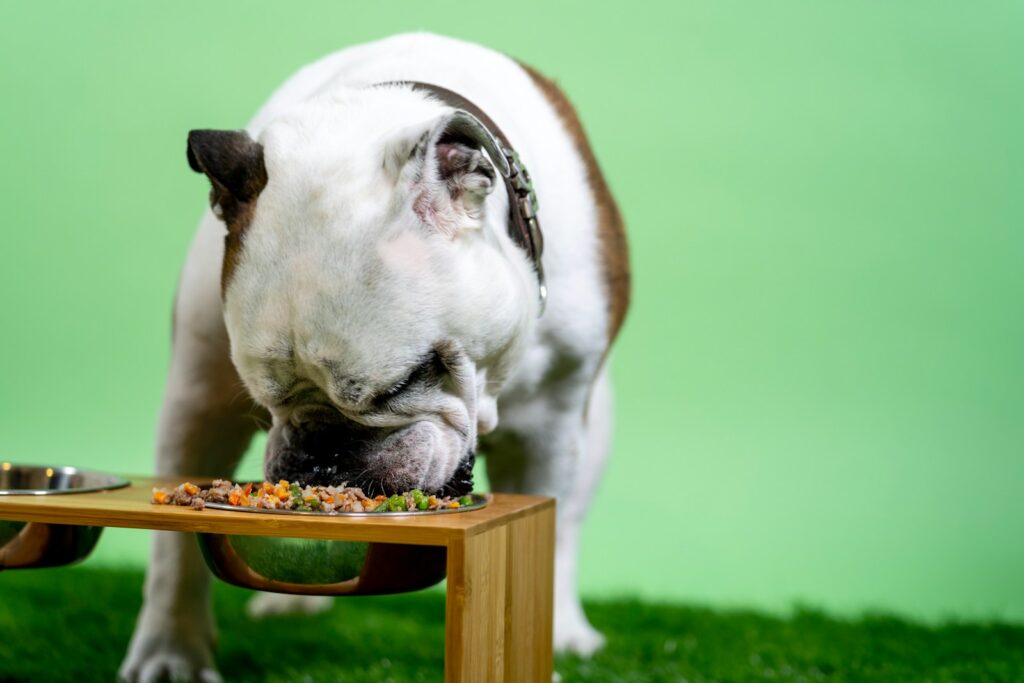
After addressing brushing and diet, you can try enzyme water additives, canine probiotics, and crunchy vegetables like carrot sticks to help reduce odor-causing bacteria and plaque; these options support oral microbiome balance and are gentle alternatives to chemical rinses, but consult your veterinarian before adding supplements, especially if your dog has health conditions or is on medication.
Chew Toys and Treats
Approaches such as dental chew toys, rubber chews, and fibrous treats work by mechanically scraping plaque and stimulating saliva flow; you should choose vet-recommended sizes and textures, avoid high-calorie dental treats if your dog needs weight control, and supervise chews to prevent choking or ingestion of large pieces.
Essential Oils Safe for Dogs
Oils like diluted lavender or chamomile may help neutralize odors when used sparingly and indirectly (on a cloth or in a diffuser away from your dog), but you must never apply undiluted oils to your pet or use oral administration without veterinary approval due to toxicity risks and sensitivity variations.
Understanding which oils are safe means knowing many common oils (tea tree, eucalyptus, cinnamon, citrus, pennyroyal) are toxic to dogs; if you consider imperative oils for breath control, get veterinary guidance, use proper dilution (often 0.25-1% for topical exposure), avoid direct application near the mouth or nose, and stop use immediately if your dog shows respiratory distress, vomiting, drooling, or skin irritation.
Conclusion
Now you can combine consistent tooth brushing, dental chews, probiotic supplements, and fresh water or mild rinses to reduce your dog’s bad breath while supporting oral health; monitor diet changes and schedule regular veterinary dental checks to rule out underlying issues, and use natural, vet-approved products to keep your pet comfortable and odor-free.