
Understanding Pet Nutrition: Proteins, Fats, and Carbohydrates Explained
Nutrition determines how proteins supply amino acids for tissue repair and growth, fats provide concentrated energy and important fatty acids, and carbohydrates offer readily available fuel and fiber for digestion; understanding these roles helps you evaluate ingredient lists, balance meals for life stage and activity level, and spot signs of imbalance so your pet maintains optimal health.
The Role of Proteins in Pet Nutrition

To support growth, tissue repair, immune function, and a healthy coat, you need to provide high-quality protein in your pet’s diet; protein supplies amino acids that form enzymes, hormones, and structural tissues, so assess labels for protein content and quality to meet your pet’s life stage and activity level.
Importance of Amino Acids
After digestion, amino acids are absorbed and used to build and repair tissues, synthesize enzymes and neurotransmitters; you must ensure necessary amino acids are present in your pet’s food because they cannot be made by the body and deficiencies affect growth, skin, and organ function.
Sources of Protein in Pet Food
Between animal and plant proteins, animal-derived sources like chicken, beef, fish, and eggs generally offer higher bioavailability and a more complete amino acid profile, while plant proteins can supplement but may lack certain necessarys; you should evaluate ingredient order, named sources, and processing to judge quality.
Proteins from by-products can be nutritious but vary in quality, hydrolyzed and novel proteins may help if your pet has sensitivities, and sourcing, processing, and digestibility tests affect how much usable protein your pet receives; consult labels and your veterinarian when selecting protein sources for your pet.
Understanding Fats: Beneficial and Harmful Types
There’s a balance between beneficial fats (unsaturated, omega-3/6) and harmful fats (trans, excess saturated) that shapes your pet’s energy, coat, inflammation and long-term health.
- Beneficial: omega-3s, omega-6s, monounsaturated fats
- Harmful: industrial trans fats, excessive saturated fats
Assume that you should choose diets emphasizing unprocessed sources, appropriate fat ratios, and consult your veterinarian for individualized guidance.
| Omega‑3 | Reduces inflammation; supports brain, vision and coat – include fish oil or algae in your pet’s diet |
| Omega‑6 | Supports skin and coat but can be pro‑inflammatory in excess – balance with omega‑3 for your pet |
| Monounsaturated | Provides stable energy and heart benefits – favor moderate sources like olive or canola |
| Saturated | Energy‑dense; limit to avoid weight gain – monitor portions for your pet |
| Trans | No benefit and linked to disease – avoid industrial trans fats in your pet’s food |
Essential Fatty Acids
Fats like EPA, DHA and linoleic acid are imperative for your pet’s brain development, vision and skin barrier; you must ensure their diet supplies them through quality oils or formulated foods and verify amounts with your veterinarian.
The Impact of Fats on Health
Among fat types, balance and total intake determine weight, inflammation, cardiovascular and joint outcomes; you should monitor both quantity and quality of fats and adjust for age, activity and health status.
For instance, adding EPA/DHA can reduce arthritis signs and improve coat sheen, while diets high in trans fats or excess saturated fat increase obesity and metabolic risk; you should favor whole‑food fat sources and clear labeling.
Carbohydrates: Energy Source and Digestibility
Assuming carbohydrates supply immediate and stored energy, you should balance simple and complex sources to match your pet’s activity level; monitor weight, blood sugar tendencies, and stool quality to gauge tolerance and adjust portions accordingly.
Types of Carbohydrates in Pet Diets
Digestibility varies by type, so you should select carbs based on energy needs and digestive tolerance:
- Simple sugars – rapid absorption, quick energy
- Starches – moderate digestibility from grains and tubers
- Soluble fiber – fermentable, supports gut microbes
- Insoluble fiber – adds bulk, aids transit time
Perceiving how each type impacts energy and stool helps you choose appropriate ingredients.
| Simple sugars | High digestibility; quick energy, variable glycemic impact |
| Starches | Moderate digestibility; common energy source from grains/tubers |
| Soluble fiber | Low digestibility; fermentable, feeds beneficial microbes |
| Insoluble fiber | Very low digestibility; increases fecal bulk and transit |
| Resistant starch | Resists digestion; ferments in colon, supports health |
The Role of Fiber in Digestion
For gut balance, you should include both soluble and insoluble fiber in appropriate amounts: soluble fiber ferments to short-chain fatty acids that nourish the colon, while insoluble fiber increases fecal bulk and regulates transit time.
In fact, adjusting fiber levels can help you manage weight, constipation, or diarrhea; you should work with your veterinarian when altering fiber to ensure nutrient balance and monitor changes in stool and appetite.
Balancing the Diet: The Right Proportions

Many owners aim for a simple split of protein, fat, and carbohydrates, but you must tailor proportions to your pet’s species, age, activity, and health. Emphasize high-quality protein for maintenance or growth, moderate fats for energy, and digestible carbohydrates for fiber and balance, adjusting portions as your pet’s condition and life stage change.
Calculating Nutritional Needs
Balancing your pet’s needs starts by estimating resting energy requirements and adjusting for activity, growth, or illness; you can use weight-based formulas or guides from veterinarians. Track daily calories, portion sizes, and body condition score, and consult your vet to refine recommendations so you feed enough to maintain ideal weight without over- or underfeeding.
Common Myths About Pet Diets
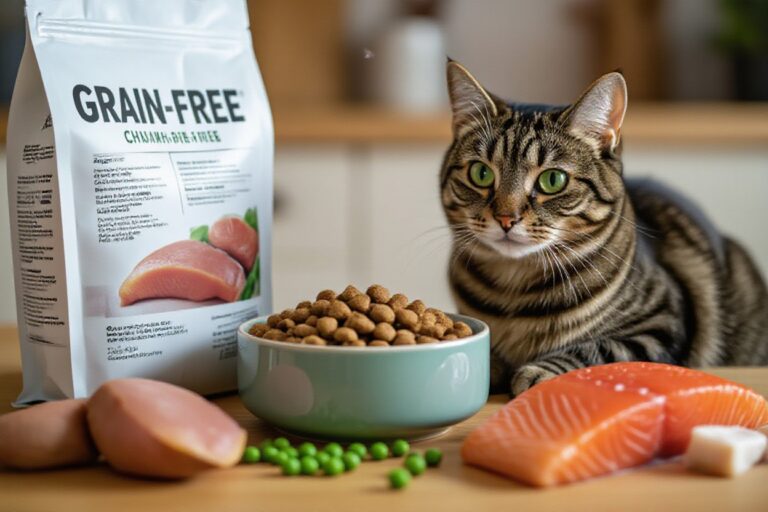
Diet fads often mislead you into thinking grains are harmful, higher protein always equals better health, or raw diets outperform formulated foods; these blanket claims ignore individual needs. Focus on balanced, species-appropriate nutrition, evidence-based ingredients, and your pet’s tolerance rather than promises from trends or labels.
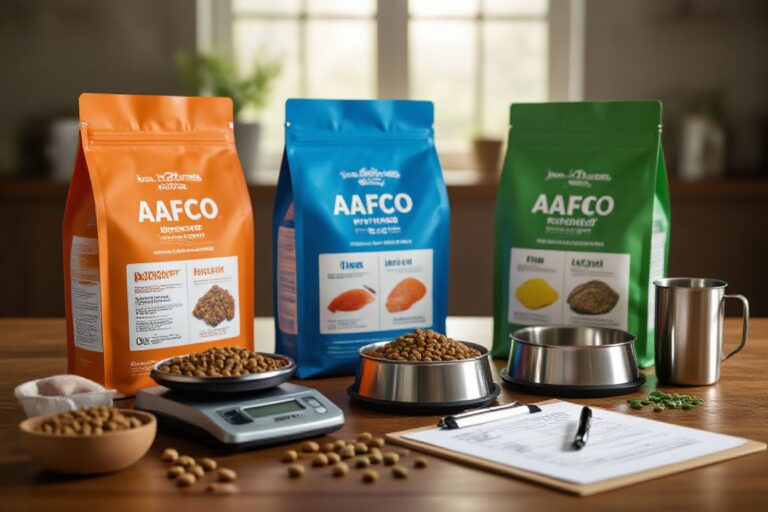
The best approach is to evaluate claims against scientific standards and your pet’s response: you should check for AAFCO statements, watch for allergies or sensitivities, introduce diet changes gradually, and rely on veterinary guidance for medical issues. Marketing, price, or novelty don’t guarantee suitability, so you assess ingredients, nutrient profiles, and outcomes for your animal.
Special Considerations for Different Life Stages
Keep your pet’s nutritional needs aligned with growth, maintenance and aging, as protein, fat and carbohydrate ratios change across life stages; you should adjust calories, prioritize digestibility and necessary fatty acids, and work with your veterinarian to tailor portions, supplements and feeding schedules so your animal maintains healthy weight, lean muscle and long-term wellbeing.
Puppies and Kittens
At this rapid growth phase you must provide calorie-dense, highly digestible diets rich in high-quality protein, fat and DHA to support brain and tissue development; your feeding should include balanced calcium and phosphorus, frequent meals and monitoring for steady weight gain, and veterinary guidance to avoid overfeeding while ensuring proper immune and skeletal maturation.
Adult and Senior Pets
After your pet reaches maturity, transition to maintenance diets that match activity level and body condition, then gradually shift for seniors toward nutrient-dense formulas with adequate protein to preserve muscle, lower calorie content to prevent obesity, added joint-support nutrients and easily digestible ingredients while monitoring dental and organ health with regular checkups.
Kittens aside, for adult and senior pets you should focus on maintaining lean mass by offering high-quality, bioavailable protein, supplementing omega-3s for inflammation and cognitive support, moderating phosphorus and sodium for aging kidneys and heart, and adjusting fiber and probiotics to support digestion and steady energy so you can preserve mobility and quality of life as they age.
Homemade vs. Commercial Pet Food
Your decision between homemade and commercial pet food affects nutrient balance, safety, and convenience; homemade gives you control over ingredients and fresh proteins, while commercial formulas deliver consistent, lab-verified nutrient profiles and shelf stability – work with your veterinarian to match protein, fat, and carbohydrate ratios to your pet’s species, age, and health.
Advantages and Disadvantages
Against the appeal of homemade meals, you face time investment, cost, and the risk of nutritional imbalance or contamination; commercial diets may include fillers or additives but offer predictable nutrient analysis, regulatory oversight, and convenience. You should assess your cooking skills, access to quality ingredients, and vet support before committing.
How to Choose Wisely
Across available options, prioritize complete and balanced diets, check for AAFCO statements, review guaranteed analysis and named protein sources, and choose formulas for your pet’s life stage and activity level; consult a veterinarian or board-certified nutritionist to adapt macronutrient ratios and portion sizes to your pet’s individual needs.
Food shopping and home-prep both require vigilance: you should verify primary meat sources, avoid excessive fillers, ensure adequate fats and vital fatty acids, and include supplements when recipes lack vitamins or minerals; if you prepare meals, use formulated recipes from a qualified nutritionist and schedule periodic bloodwork to confirm dietary adequacy.
Conclusion
Upon reflecting, you can see that proteins build and repair tissues, fats provide concentrated energy and support cellular function, and carbohydrates supply quick energy and fiber; balancing these macronutrients according to your pet’s species, age, activity level, and health ensures optimal vitality. Prioritize high-quality ingredients, appropriate portions, and regular veterinary guidance to adapt your pet’s diet as needs change.