
Human Foods Dogs and Cats Can Eat (and Foods They Should Avoid)
Pets depend on you to choose safe foods; this guide explains which human foods are appropriate for dogs and cats, which are toxic, and how to serve safe options responsibly. You’ll learn portion guidance, signs of food-related illness, and practical swaps to keep your companions healthy while avoiding common hazards like chocolate, grapes, onions, garlic, xylitol, and alcohol.
Safe Human Foods for Dogs
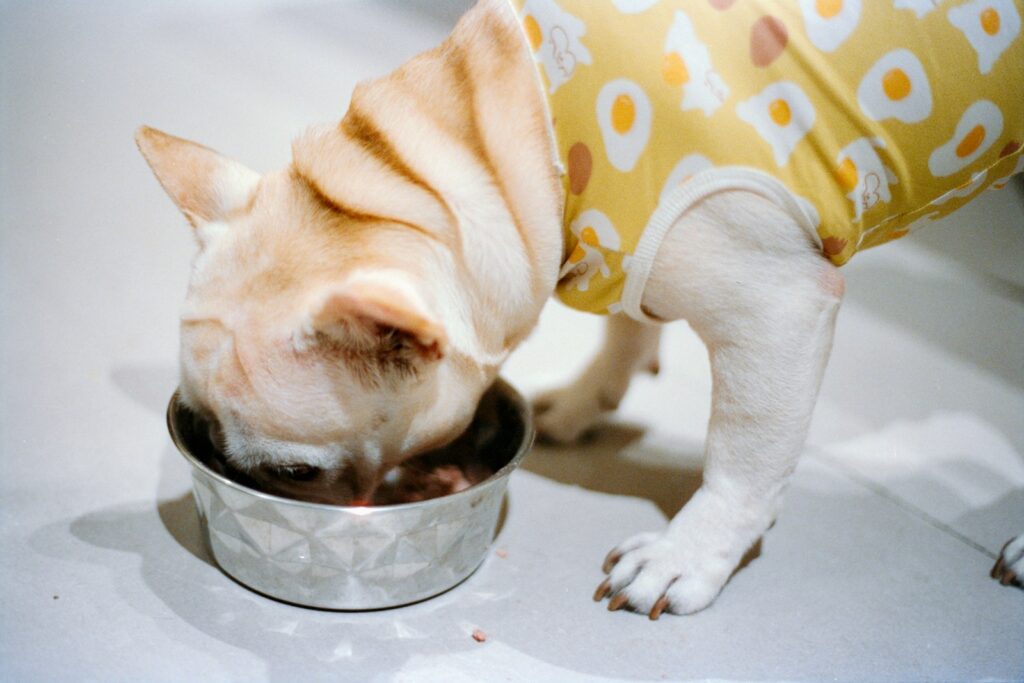
A range of human foods can safely supplement your dog’s diet when offered in moderation and prepared plainly-no added salt, sugar, or seasoning. You should prioritize low-fat, low-sodium options, watch portion sizes, and monitor for allergies or digestive upset; consult your veterinarian if you have concerns.
Fruits
About safe fruits: apples (without seeds), blueberries, bananas, and seedless watermelon make healthy, vitamin-rich treats in moderation; you must avoid grapes, raisins, and fruit pits. Serve small portions to prevent loose stools and limit sugary fruits for weight management.
Vegetables
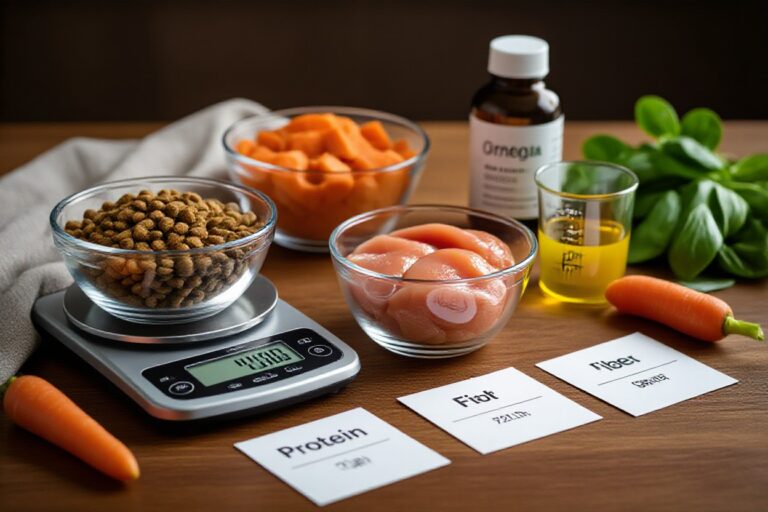
Below are vegetables that provide fiber and nutrients-carrots, green beans, sweet potato, and peas-served cooked or raw as appropriate; avoid onions, garlic, chives, and raw potato sprouts. You should use vegetables as treats or meal toppers, not as full diet replacements.
Human preparation matters: steam or roast vegetables without oil or seasoning to improve digestibility, cut into bite-sized pieces to prevent choking, and introduce one vegetable at a time so you can monitor tolerance and portion control.
Proteins
After choosing lean proteins like cooked chicken, turkey, and plain fish, you should remove skin, bones, and excess fat; cooked eggs are also a safe option. Avoid processed meats high in salt, spices, and preservatives that can upset your dog’s stomach or cause toxicity.
Considering protein variety improves amino acid balance-rotate safe options and keep servings modest relative to your pet’s caloric needs; consult your vet before major protein changes, especially if your dog has pancreatitis, kidney disease, or other health issues.
Safe Human Foods for Cats
It is safe to offer your cat small portions of certain plain human foods as occasional treats, provided they are fully cooked, unseasoned, and introduced slowly; use these sparingly alongside a complete diet and consult your veterinarian if your cat has health issues or dietary restrictions.
Fish
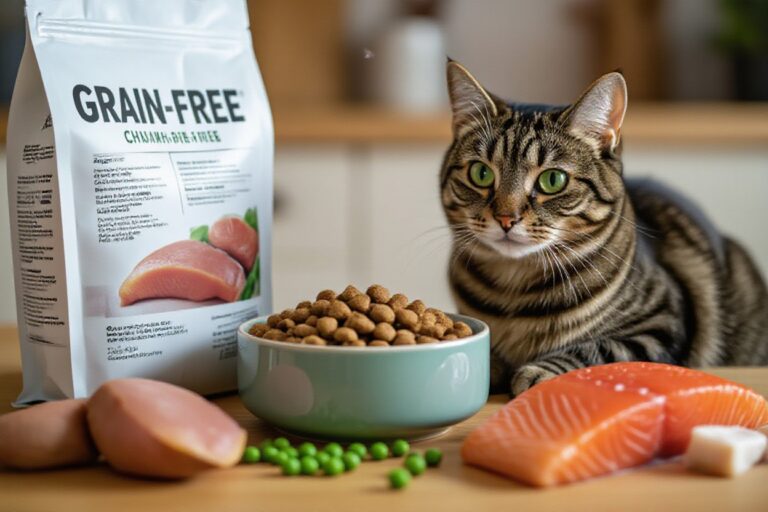
On occasion you can give cooked, boneless fish like salmon or tuna as a treat, but keep portions small and plain since frequent feeding risks nutrient imbalance and potential mercury buildup; never serve raw fish or seasoned, oily preparations.
Meats
Among safe choices are cooked, unseasoned poultry, lean beef, and pork served in small amounts; remove skin, bones, and excess fat, and avoid processed or spiced meats that contain harmful additives.
It is best to serve meats plain without garlic, onion, sauces, or added salt; if you plan homemade feeding regularly, work with your veterinarian to ensure complete, balanced nutrition for your cat.
Dairy
Fish aside, dairy affects cats differently-many adult cats are lactose intolerant, so offer only tiny amounts of plain yogurt or hard cheese as an occasional treat and watch for digestive upset.
Indeed, fermented dairy like yogurt may be better tolerated because it has less lactose, but water and vet-formulated foods should remain your cat’s primary hydration and nutrition sources.
Foods Dogs Should Avoid
For your dog’s safety, avoid feeding human foods known to cause toxicity, gastrointestinal upset, or choking. Keep chocolate, xylitol-sweetened items, grapes and raisins, onions and garlic, macadamia nuts, alcohol, and caffeinated drinks out of reach. Also be cautious with fatty table scraps, cooked bones, and raw dough – they can cause pancreatitis, obstructions, or alcohol/toxin poisoning. If your dog consumes any suspect item, contact your veterinarian or emergency clinic immediately.
Toxic Foods
Should you suspect ingestion of toxic foods, act promptly: xylitol (found in sugar-free gum and some peanut butters) causes rapid hypoglycemia and liver failure; chocolate and caffeine affect the heart and nervous system; grapes and raisins can trigger kidney failure; onions and garlic damage red blood cells. If your dog ate any of these, call your vet and bring packaging if possible to assist diagnosis and treatment.
Harmful Common Foods
To protect your dog, avoid giving fatty scraps, cooked bones, and large amounts of dairy or raw meat. Fatty foods and rich sauces can trigger pancreatitis, cooked bones can splinter and perforate the gut, and raw diets increase bacterial and parasite risks. Limit salty snacks and high-sugar treats, and never offer alcohol or foods with xylitol to your pet.
Another concern is portion and frequency: even otherwise safe human foods like plain lean meats, rice, or small amounts of vegetables should be given in moderation to prevent weight gain and imbalances. Watch for vomiting, diarrhea, lethargy, abdominal pain, or difficulty breathing – these signs require immediate veterinary attention. When in doubt, choose vet-approved pet treats and consult your veterinarian about safe human-food options for your dog.
Foods Cats Should Avoid
Not every human food is safe for your cat; many contain compounds that cause vomiting, diarrhea, organ damage, or neurological problems. You should avoid feeding onions, garlic, chocolate, caffeine, alcohol, grapes, raisins, xylitol, and fatty or highly seasoned leftovers, and check with your vet before offering anything new to protect your cat’s short- and long-term health.
Dangerous Foods
Avoid giving your cat onions, garlic, chives, chocolate, caffeine, alcohol, grapes, raisins, and anything sweetened with xylitol, as these can lead to anemia, liver or kidney failure, hypoglycemia, or seizures; also steer clear of raw dough, undercooked meat, and poultry bones that can cause bacterial infections, pancreatitis, or choking.
Non-Food Items
After your cat chews or swallows household objects-string, rubber bands, small toys, medications, or certain houseplants-you should watch for vomiting, gagging, lethargy, loss of appetite, or abdominal pain and contact your veterinarian promptly, since these items can cause intestinal blockages or toxicosis.
In addition, secure medications, keep plants and household chemicals out of reach, supervise play with small parts, and provide safe enrichment so you reduce the risk that your cat will ingest hazardous non-food items and require emergency care.
Tips for Introducing Human Foods
To safely introduce human foods to your dog or cat, go slowly and choose plain, single-ingredient items that mimic their normal diet; offer tiny tastes that match their size.
- Start with very small portions
- Offer only one new food at a time
- Avoid known toxins (onions, garlic, grapes, chocolate)
- Watch for digestive or behavioral changes
Knowing your pet’s baseline health and habits helps you spot problems quickly.
Portion Control
Between meals and snacks, control how much human food you give by keeping it below about 10% of your pet’s daily calories; scale portions to their size and activity level. Use tiny spoonfuls or small cubes, favor low-calorie vegetables or lean proteins, and limit treats to once or twice daily so your pet maintains healthy weight and nutrient balance.
Recognizing Allergies
After offering a new food, watch your pet for at least 24-48 hours for signs like vomiting, diarrhea, itching, hives, facial swelling, sneezing, or changes in behavior or appetite; if you see mild signs stop the food and consult your vet, and if you notice rapid swelling, breathing difficulty, or collapse seek emergency care immediately.
It may take minutes to days for allergic or intolerant reactions to appear, so keep a food diary noting what you offered and any symptoms to help identify triggers; if reactions recur your vet can recommend elimination diets, allergy testing, or safe alternatives, and you should not give over-the-counter medications without veterinary guidance.
Preparing Human Foods for Pets
Keep portions small, ingredients plain, and textures suited to your pet’s size and chewing ability; remove bones, pits, and any items known to be toxic to dogs or cats. Offer human foods as occasional supplements to a balanced diet, consult your veterinarian about allergies or health conditions, and always use fresh, fully cooked meats and well-washed produce while avoiding added sugars, alcohol, and excess fats.
Cooking Methods
Cooking methods should minimize added fats, salts, and spices: steaming, boiling, baking, or grilling without oil are safest. You should remove skin and excess fat from meats and ensure proteins reach safe internal temperatures. Cook vegetables until tender to aid digestion, and avoid frying or saucing foods with garlic, onion, xylitol, or heavy seasonings.
Seasoning Considerations
By avoiding salt, sugar, garlic, onion, chives, alcohol, and artificial sweeteners you reduce the risk of toxicity and digestive upset; mild herbs like parsley may be used sparingly. You should introduce any new flavors slowly and favor plain preparations so you can monitor tolerance and reactions.
Considering seasoning further, sodium and xylitol can cause vomiting, seizures, or dangerous metabolic disturbances even in small amounts, while garlic and onion compounds damage red blood cells. Spicy, fatty, or highly seasoned foods can trigger pancreatitis or gastrointestinal irritation, so you should avoid flavored broths and commercial sauces unless labeled pet-safe and contact your veterinarian if your pet shows distress after eating.
To wrap up
So you can safely share some plain human foods-cooked lean meats, certain fruits, and plain rice-with your dog or cat, but you must avoid chocolate, grapes, onions, garlic, xylitol, alcohol, and fatty or heavily seasoned items; consult your veterinarian before offering new foods and prioritize balanced diets and portion control to protect your pets’ health.