
Choosing Pet Food Based on Age, Size, and Lifestyle
Just assess your pet’s life stage, body size, and activity level to match nutrient density, protein and calorie needs, and portion sizes; puppies and kittens require growth formulas, seniors need lower calories and joint support, and active or working animals need more energy-dense diets.
Consider kibble size, food allergies, and ease of digestion, follow label feeding guides, and consult your veterinarian to fine-tune choices and monitor weight, coat condition, and overall health.
Understanding Pet Nutritional Needs

While selecting food for your pet, you should evaluate their life stage, body size, activity level, and any health issues to match nutrients and calories precisely; quality protein, balanced fats, appropriate carbohydrates, vitamins, minerals, and hydration support digestion, immunity, and energy so you can prevent deficiencies, manage weight, and support long-term health with targeted formulations and veterinary guidance.
Nutritional Requirements by Age
Along the lifespan, your pet’s needs shift: growth demands higher protein, calories, and certain minerals for puppies and kittens; adults require maintenance-level energy and balanced macros; seniors often need fewer calories, more joint-supporting nutrients, and easily digestible proteins to preserve muscle and mobility while reducing metabolic stress.
Nutritional Requirements by Size
On size, your pet’s metabolic rate and growth patterns determine calorie density and nutrient ratios-small breeds typically need energy-dense diets with smaller kibble, while large breeds benefit from controlled-calorie growth formulas, moderated calcium/phosphorus and joint-support ingredients to protect developing bones and reduce orthopedic risk.
Considering feeding strategy, you should adjust portion size, meal frequency, and nutrient concentration to match your pet’s size-related metabolism and activity; weigh portions, monitor body condition, avoid overfeeding, and choose breed- or size-specific formulas when available, consulting your veterinarian for personalized targets and to prevent obesity or developmental issues.
The Impact of Lifestyle on Pet Food Choices
There’s a strong link between your pet’s daily activity, environment, and nutrient needs; you should match calorie density, protein, fat, and fiber to support energy, weight, and digestive health, and adjust portions and treat frequency to suit indoor, outdoor, or working lifestyles.
Active vs. Sedentary Pets
Before selecting food, assess your pet’s activity: active dogs and cats need higher calories, quality protein, and joint-support nutrients for performance and recovery, while sedentary pets benefit from lower-calorie, higher-fiber formulas and measured portions to prevent weight gain and metabolic issues.
Specific Dietary Needs for Different Lifestyles
With lifestyles spanning sporting, working, apartment, and senior pets, you must consider energy demands, joint support, digestive sensitivity, and metabolic rate when choosing food; targeted formulas and supplements can address performance, recovery, mobility, or weight management.
Considering practical application, match a high-energy working dog with higher fat and protein, split meals and monitor body condition; for low-activity or indoor pets, choose lower-calorie, nutrient-dense diets, control portions, and add enrichment to reduce overeating; consult your veterinarian when making significant diet changes or addressing allergies.
Types of Pet Food: A Comprehensive Overview
Even you need clear categories when choosing pet food; common options include:
- Dry
- Wet
- Raw
- Limited-ingredient
- Prescription
| Dry | Convenient, dental support |
| Wet | Hydrating, palatable |
| Raw | High protein, less processed |
| Limited-ingredient | Fewer allergens |
| Prescription | Therapeutic targets |
Any choice should match your pet’s age, size and lifestyle.
Dry Food vs. Wet Food
Any you should weigh convenience, dental benefits and moisture: dry food is economical and supports tartar control, while wet food boosts hydration and palatability; choose based on your pet’s medical needs, feeding habits and activity level.
Specialty Diets and Their Benefits
Types you encounter include weight-management, hypoallergenic, grain-free, renal support and senior formulas; each targets specific health issues so you can align nutrition with your pet’s condition and life stage.
Specialty you should consult your veterinarian before switching: weight-management diets reduce calories, hypoallergenic diets limit proteins to avoid reactions, renal formulas lower phosphorus, and senior blends add joint and cognitive support to match aging needs.
Reading Pet Food Labels: What to Look For

Unlike flashy claims, label literacy lets you assess a food’s true value by decoding ingredient order, guaranteed analysis, calorie content, and life-stage statements so you can confidently match formulations to your pet’s age, size, and activity level.
Ingredient Lists and Nutritional Information
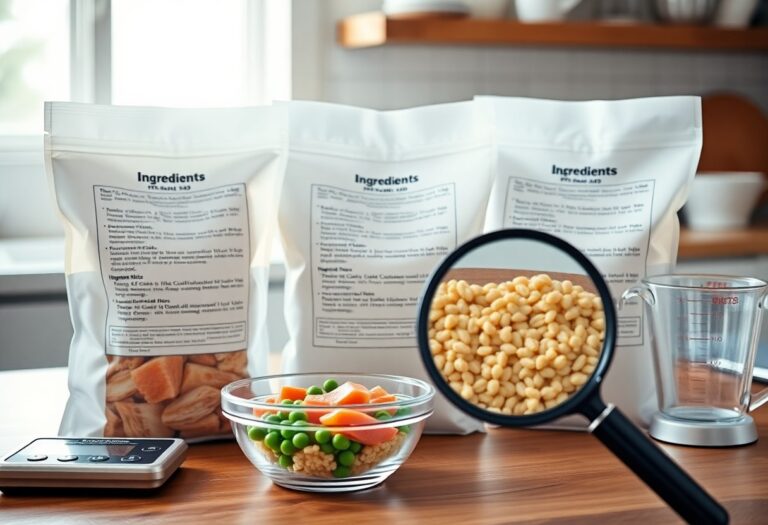
Ingredient lists tell you which components dominate the formula, so prioritize named animal proteins and whole-food sources; check the guaranteed analysis for protein, fat, and fiber percentages, review the AAFCO statement or feeding-trial data for adequacy, and compare calorie figures to tailor portions for your pet’s weight and lifestyle.
Recognizing Quality Brands
Look-for brands that publish sourcing and manufacturing details, conduct feeding trials or publish nutrient profiles, maintain transparent recall histories, and consult veterinary nutritionists so you can rely on consistent formulations as your pet grows or changes activity.
Another indicator is third-party testing and clear facility standards; prefer companies that offer trial sizes, responsive customer support, and clinical data or peer-reviewed studies so you can evaluate performance and switch foods safely if your pet shows intolerance or changing needs.
Customizing Your Pet’s Diet
Not every pet of the same age and size needs the same diet; you should tailor meals based on your pet’s metabolism, activity level, medical history and preferences. Balance protein, fats and fiber, adjust portions to maintain ideal body condition, and use targeted supplements or limited-ingredient formulas when specific needs arise.
Transitioning Between Foods
Below you should transition your pet’s diet gradually over 7 to 10 days, mixing increasing proportions of the new food with the old to minimize digestive upset; monitor appetite, stool, hydration and energy, slow the schedule if vomiting or diarrhea appears, and consult your veterinarian if problems persist.
When to Consult a Veterinarian
Against sudden weight loss or gain, persistent vomiting or diarrhea, blood in stool or urine, severe appetite changes, acute lethargy, skin reactions, or signs of food allergy, you should seek veterinary evaluation promptly to identify medical causes and get tailored dietary guidance.
Even if symptoms seem mild, bring a detailed diet history, treat and supplement lists, weight records and stool notes to your appointment; your vet may recommend tests, an elimination trial, prescription diets or referral to a veterinary nutritionist to create a safe, effective feeding plan.
Common Myths About Pet Food
All pet owners face conflicting advice about what to feed; you should evaluate evidence, not myths. Many claims about one diet fitting all ages, sizes, or lifestyles are oversimplified. You can rely on AAFCO statements, veterinary guidance, and ingredient analysis to choose food that matches your pet’s life stage, activity level, and health conditions. Balance, portion control, and monitoring your pet’s weight and coat will tell you more than trends.
Debunking Misconceptions
Beside popular beliefs, grain-free diets aren’t inherently healthier for all pets; you need to assess individual sensitivities. High-protein marketing doesn’t automatically mean better health; your pet’s age, kidney function, and energy needs determine appropriate levels. You can question blanket assertions, seek nutrient profiles and ingredient transparency, and consult your veterinarian to separate fact from fad.
Understanding Marketing Claims
Any label claim like “natural”, “human-grade”, or “premium” can be misleading; you should examine ingredient lists, guaranteed analysis, and feeding trials. Terms aren’t uniformly regulated, so you must check for specifics such as named meat sources, absence of vague “by-product” listings, and third-party testing to verify quality.
Claims often hinge on regulatory definitions; you should look for the AAFCO statement of nutritional adequacy, evidence of feeding trials, and clear percent-by-weight labeling. Words like “with”, “flavor”, or “dinner” have legal meanings that affect meat content, and ingredients are listed by pre-cooked weight, which you should consider when comparing options.
Conclusion
With this in mind, you should match life-stage formulas to your pet’s age, choose kibble size and portions suited to their body size, and tailor calories and nutrient density to their activity level and lifestyle. Monitor body condition, adjust for health issues or allergies, transition diets gradually, and consult your veterinarian so your feeding plan supports long-term health and optimal wellbeing.