Senior Cat Food: Nutritional Needs as Cats Age
Just because your cat slows down doesn’t mean their diet should; as cats age, you need to adjust protein, calorie density, hydration, and nutrients that support kidneys, joints, and dental health.
Choosing senior formulas with high-quality protein, controlled phosphorus, omega-3s, and added fiber helps maintain muscle mass, mobility, and digestion. Consult your veterinarian to tailor feeding to your cat’s health and life stage.
Understanding the Nutritional Needs of Senior Cats
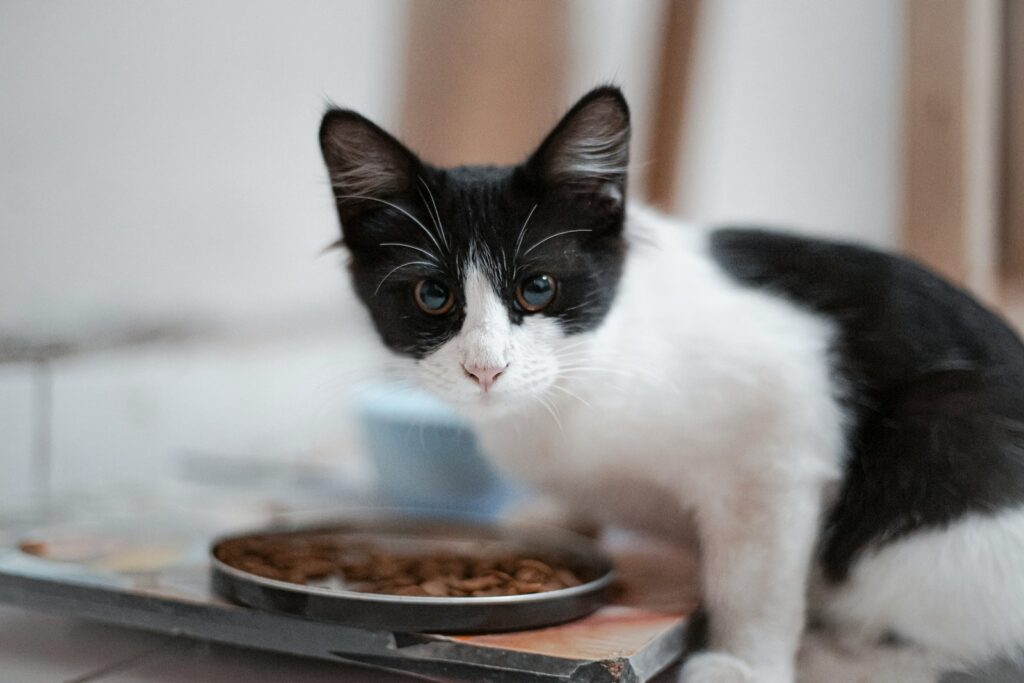
Before your cat reaches senior years, you should understand how aging affects appetite, digestion and disease risk; adjusting calorie intake, protein quality, hydration and targeted supplements supports healthy weight, mobility and organ function while helping you spot issues early.
Changes in Metabolism
Along with age, your cat’s metabolism and body composition shift – lean mass often declines while fat distribution changes – so you should monitor weight and body condition, adjust caloric density and feeding frequency, and work with your veterinarian to tailor energy needs.
Essential Nutrients for Aging Cats
Around the necessarys, you should prioritize high-quality, highly digestible protein, balanced fats including omega-3 fatty acids, adequate moisture and fiber for gut health, and moderated phosphorus and sodium to support kidney and cardiovascular health.
Nutrients like digestible animal protein preserve your cat’s muscle, taurine and B vitamins support cardiac and metabolic function, EPA/DHA reduce inflammation, controlled phosphorus and sodium protect kidneys, and additions such as glucosamine, antioxidants and palatable formulations help maintain mobility, immunity and consistent intake.
Ingredients to Look for in Senior Cat Food
Even as your cat’s metabolism and activity change, you should select foods that support muscle maintenance, joint comfort, kidney function, and digestion-look for named animal proteins, balanced minerals, antioxidants, and added joint and digestive support so you can help preserve your cat’s vitality.
High-Quality Proteins
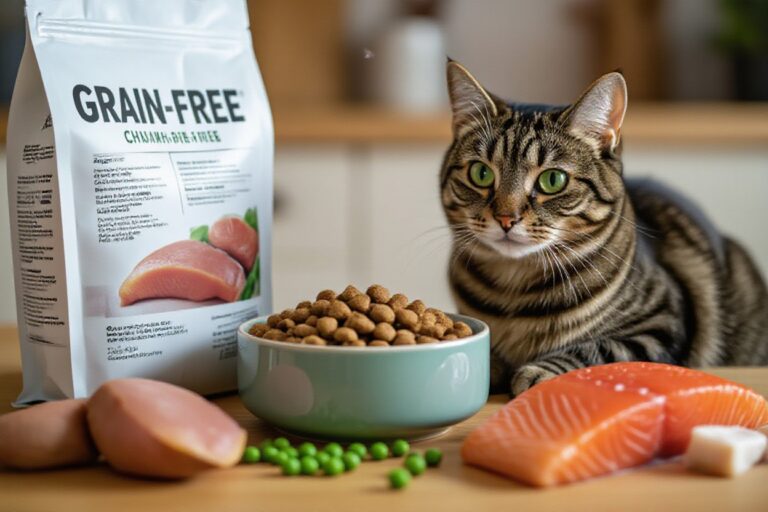
HighQuality named animal proteins like chicken, turkey, or fish supply the crucial amino acids your cat needs to retain lean muscle and support organ function; you should prioritize recipes listing a real meat source first and avoid vague terms such as “meat by-products.”
Fiber and Digestive Health
Fiber such as beet pulp, pumpkin, and psyllium supports regular stool formation and moderates gastrointestinal transit, helping if your cat has constipation or loose stools; you should choose formulas with both soluble and insoluble fibers plus prebiotics for beneficial gut bacteria.
Proteins and fiber interact to influence digestibility and satiety, so when you evaluate senior diets consider how protein quality paired with fermentable fiber can reduce digestive upset, stabilize blood sugar, and help your cat maintain a healthy weight.
Omega Fatty Acids
Across sources like fish oil, omega-3s (EPA and DHA) reduce inflammation, support joint mobility, and promote skin and coat health, so you should select senior formulas fortified with adequate marine-derived omega-3s to aid comfort and cognitive support.
In addition to EPA and DHA, consider the omega-6 to omega-3 ratio and reliable sourcing-you should prefer products with clear omega amounts or supplemental fish oil and discuss appropriate dosing with your veterinarian for optimal anti-inflammatory benefit.
Common Dietary Concerns for Senior Cats
Unlike younger cats, your senior cat’s metabolism, dental health, and organ function change with age, affecting appetite, weight, and nutrient needs; you should monitor body condition, hydration, and litterbox habits and work with your vet to adjust calories, protein quality, and supplements to maintain comfort and vitality.
Weight Management
The risk of both unintentional weight loss and obesity rises as your cat ages, so you should aim to preserve lean muscle while avoiding excess fat by adjusting portion sizes, offering nutrient-dense, high-quality protein, scheduling regular weight checks, and encouraging gentle activity to support mobility and metabolic health.
Kidney Health
Concerns about declining kidney function are common in older cats; you should watch for increased thirst, urination changes, reduced appetite, and weight loss, and pursue routine bloodwork and urinalysis so your vet can recommend phosphorus-controlled diets, hydration strategies, and tailored treatments to slow progression.
Kidney disease management often emphasizes reduced phosphorus, moderated high-quality protein to limit waste while preserving muscle, and enhanced hydration through wet food or added water; you should follow your vet’s guidance on prescription diets, fluid therapy, and supplements such as potassium when indicated.
Gastrointestinal Issues
Cats frequently develop digestive sensitivity with age, presenting vomiting, diarrhea, or inconsistent stools; you should assess for food intolerances, dental pain, or concurrent disease and consider gradual diet changes, probiotics, or veterinary-formulated diets to stabilize digestion under professional supervision.
This approach includes adjusting fiber type and fat content, trying novel or hydrolyzed proteins, and monitoring responses to treats and new formulas; you should pursue diagnostics if symptoms persist to ensure adequate nutrient absorption and sustained gastrointestinal comfort.
Choosing the Right Cat Food Brand
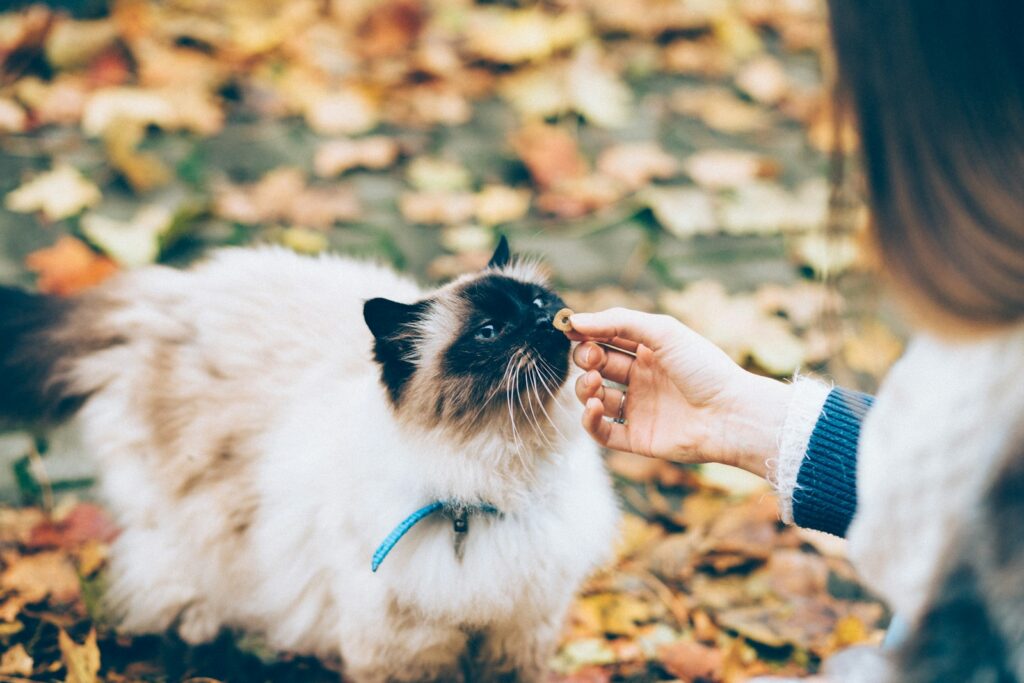
After evaluating your cat’s health and life stage, you should choose a brand that offers high-quality animal proteins, clear ingredient sourcing, AAFCO feeding trial guarantees, and formulas tailored for seniors with balanced calories, joint support, and omega-3s.
Evaluating Labels and Ingredients
Right when checking labels you should prioritize named meat sources, full ingredient lists without vague terms, AAFCO nutrition statements, guaranteed analysis for protein and fat, and beneficial additives like omega-3s, antioxidants, and joint-support ingredients tailored to seniors.
Veterinary Recommendations
Among your best resources is your veterinarian, who can evaluate medical conditions like kidney disease, diabetes, or arthritis and recommend specific therapeutic diets, calorie targets, supplements, or brand options suited to your cat’s lab results and lifestyle.
In addition you should bring your cat’s recent food history, weight trend, and medication list to appointments so your veterinarian can design feeding trials, monitor response, and adjust protein, phosphorus, sodium, or caloric intake as your cat ages.
Transitioning to Senior Cat Food
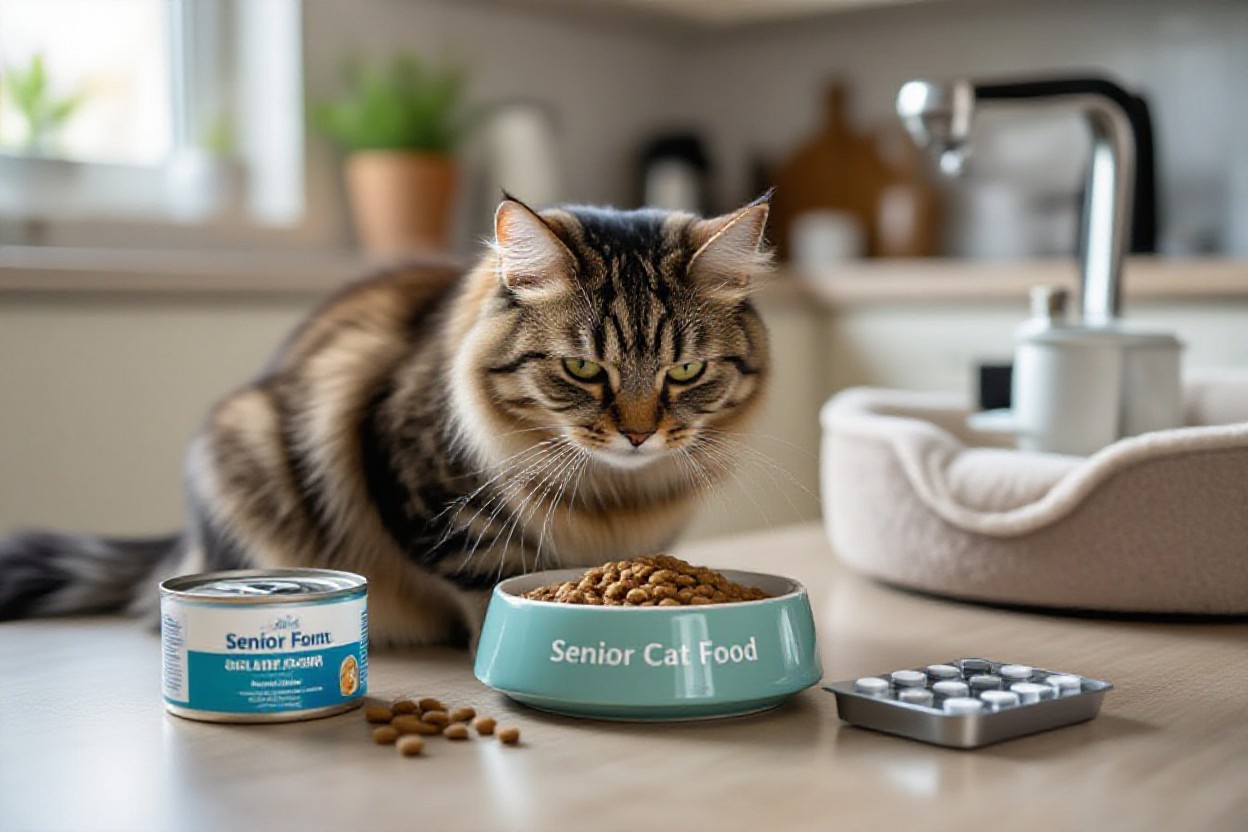
Your cat’s metabolism, activity and health change with age, and senior formulas support joint mobility, lean muscle, digestion and immune function; work with your veterinarian to select a balanced diet tailored to your cat’s weight, medical needs and preferences, and monitor appetite, weight and coat condition to gauge success.
Signs It’s Time to Switch
Across middle age into senior years you may notice weight loss, decreased activity, dental issues, a duller coat, increased thirst or altered litter habits; if your cat shows these shifts or has chronic conditions like kidney disease or arthritis, discuss a senior diet plan with your veterinarian.
Gradual Transition Process
With a slow staged transition over 7-14 days you reduce digestive upset: begin by mixing 25% senior food with 75% of the current diet, then progress to 50/50, 75/25 and finally 100% senior food while monitoring appetite and stool quality, and extend the timeline if needed.
To ease acceptance, warm the new food slightly to boost aroma, offer small frequent meals, keep your feeding routine consistent, and use brief praise or tiny treats from the new diet; if your cat refuses, loses weight or has ongoing digestive issues, consult your veterinarian for alternatives or appetite support.
Supplementing Senior Cat Diets
Keep supplements targeted and vet‑approved to support joints, digestion, skin and appetite as your cat ages; base additions on your cat’s health history, current diet and lab results to avoid excesses or interactions.
When to Consider Supplements
One reason to consider supplements is observable decline in mobility, coat quality, appetite or digestive function; you should consult your veterinarian for testing and a tailored plan before adding products to avoid harm from unnecessary or duplicate nutrients.
Types of Beneficial Supplements
At older ages you may use targeted supplements for joints, skin, digestion and appetite; always consult your veterinarian.
- Glucosamine – joint support
- Omega‑3 – inflammation and coat
- Probiotics – digestion
- Multivitamin – balanced micronutrients
| Glucosamine | Joint support |
| Omega‑3 | Anti‑inflammatory, coat |
| Probiotics | Gut health |
| Multivitamin | Micronutrients |
| Digestive enzymes | Food breakdown |
Any supplement you consider should be discussed with your veterinarian.
Supplements help when used correctly, but dosing, interactions and product quality matter and you need professional oversight.
- Proper dosing – tailored to weight and condition
- Drug interactions – avoid conflicts
- Product quality – choose tested brands
- Monitoring – track response and labs
| Dosing | Follow vet guidance |
| Interactions | Check current meds |
| Quality | Reputable manufacturers |
| Monitoring | Assess effect and labs |
| Contraindications | Existing conditions |
Any change in your cat’s supplement plan should be approved and followed up by your veterinarian.
Summing up
From above, as your cat ages you should adapt its diet to support reduced metabolism, joint health, lean muscle maintenance, dental ease, and balanced hydration; choose senior formulas higher in quality protein, moderated calories, added omega-3s, glucosamine, and soluble fiber, and consult your veterinarian to tailor feeding and monitor weight, mobility, kidney function, and overall wellbeing.