Weight Management for Pets: Preventing Obesity Through Diet and Routine
Your pet cannot tell you when they feel sluggish or uncomfortable. But their body can show clear signs. One of the most significant aspects of maintaining your animal’s health and happiness is pet weight management.
There are millions of overweight dogs and cats worldwide. It is something that many pet parents don’t pay attention to. The added weight strains the joints and organs, especially the heart, without any noise.
The good news? You can act immediately. Minor adjustments in eating habits and everyday life count a lot. This detailed article walks you through all you need to know.
Why Is Pet Obesity a Growing Concern
Obesity in pets is currently one of the most widespread health problems across the globe. 2022 studies show that over 60% of cats and 59% of dogs in the US are obese. This figure continues to increase on a yearly basis.
Overweight pets are in danger of significant health consequences. These are
- Diabetes,
- Arthritis, and
- Heart disease
Their living standards decrease greatly as well. Most pet owners indulge them with extra goodies because they love them. However, excessive sweets cause weight gain in a short time. Give care to your pet, not food.
How to Tell If Your Pet Is Overweight
The following are the symptoms of overweight cats and dogs:
Overweight Dog Symptoms
You may call your dog “chonk,” but underlying obesity can pose a serious threat to its health. Early detection of obesity signs can enable you to respond quickly. The following are typical symptoms of overweight dogs:
- You can not easily pick out their ribs beneath the fur
- You can not see their waist as seen above
- They become fatigued easily when walking
- Breathing comes out in great depth following minimal activity
- They find it difficult to groom themselves
A dog with a healthy body should have a defined waist. Their ribs should be felt but not seen. When your dog seems to be bigger than normal, it is time to weigh it.
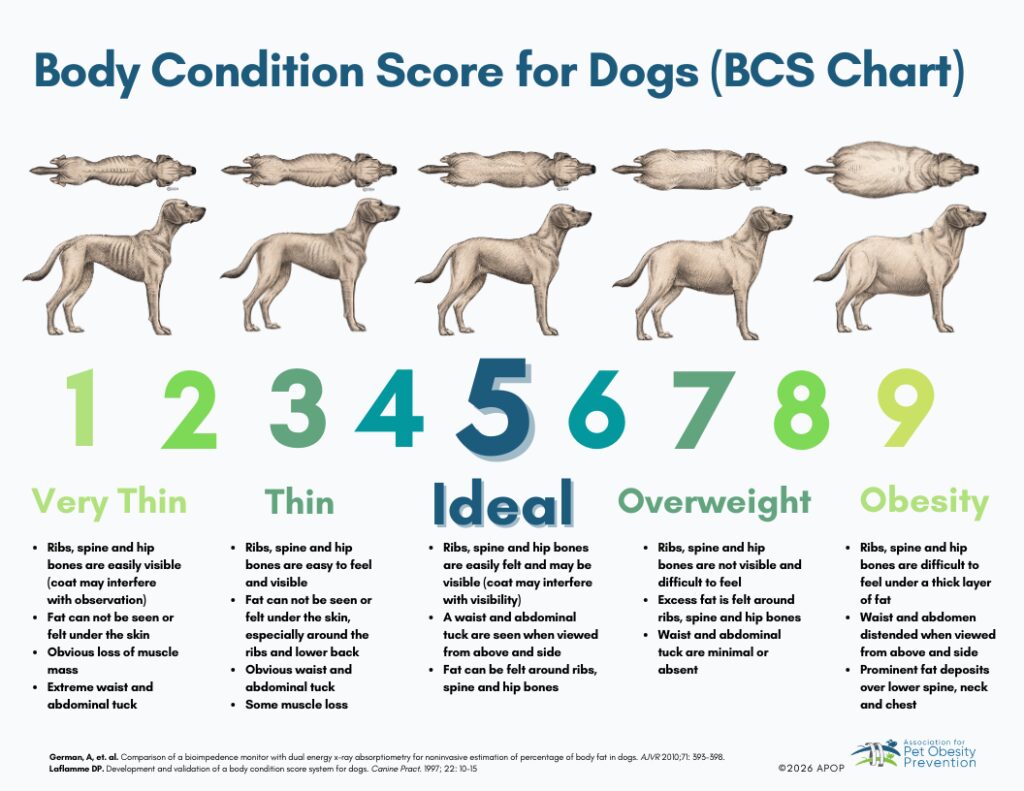
Visit the original chart online: https://www.petobesityprevention.org/pet-weight-check
Overweight Cat Symptoms
Cats can gain weight unobtrusively and slowly. Keep an eye out for the following overweight cat symptoms:
- A big belly that is sagging low
- Having trouble jumping on the furniture on which he/she used to easily climb
- Shy to play or move around
- Fat masses around the neck and limbs
- Over-grooming or inaccessibility of some areas
Cats are instinctively quiet when uncomfortable. Home weight checks will keep you abreast of changes.
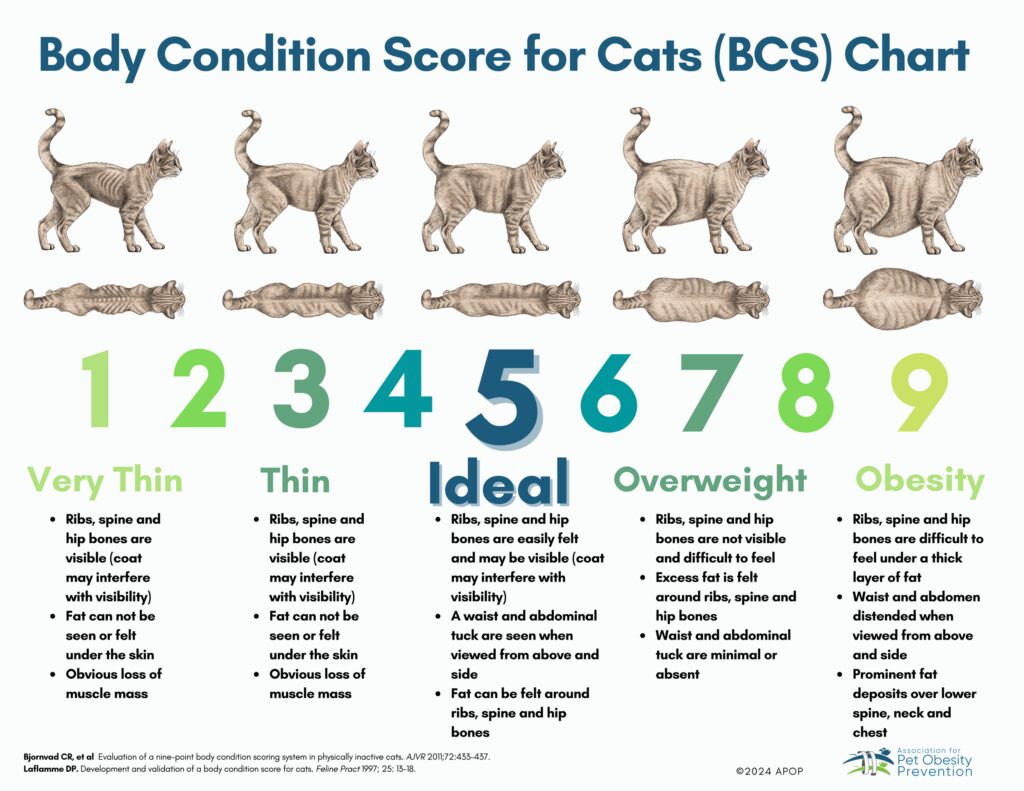
visit the original chart online: https://www.petobesityprevention.org/pet-weight-check
Understanding Pet Metabolism
Each pet has a different metabolism. The age, breed, and level of activity come into play. The metabolism of the pets decelerates with age.
Pets that are neutered or spayed tend to have lower metabolisms. They require less energy than healthy animals. They gain weight slowly when they are fed the same amount of food.
The processing of food is also different in large breeds and small breeds. A small Chihuahua does not require as many calories as a Labrador. Pet owners must always feed according to the needs of their pet.
Risks of Pet Obesity You Should Never Ignore
The dangers of obesity in pets extend much deeper than looks. The additional fat poses severe health issues. This is what fat pets usually have to endure:
- Pain in Joints: Joints and cartilage experience strain due to additional weight. This causes arthritis that is painful in the long run. Pets can limp or be reluctant to move.
- Diabetes: Obese pets are at high risk for diabetes. Their bodies fail to control the level of sugar in the blood. This takes lifelong management.
- Heart and Lung Disease: The heart labors more when it has to carry extra weight. Physical exertion makes breathing more challenging. This reduces the life of your pet.
- Liver Disease: The fatty deposition in the liver is typical among obese cats. This hepatic lipidosis condition is potentially life-threatening. It is prevented by early weight management.
- Shorter Life: Research has proven that lean pets have a longer life. Two or more years of healthy living can be lost on overweight pets. This is an important and preventable loss.
Building a Pet Weight Loss Plan That Works
An effective pet weight loss program cannot be achieved in a day. It involves focus and time. The following is a straightforward method that works on most pets.
Step 1: See Your Veterinarian First
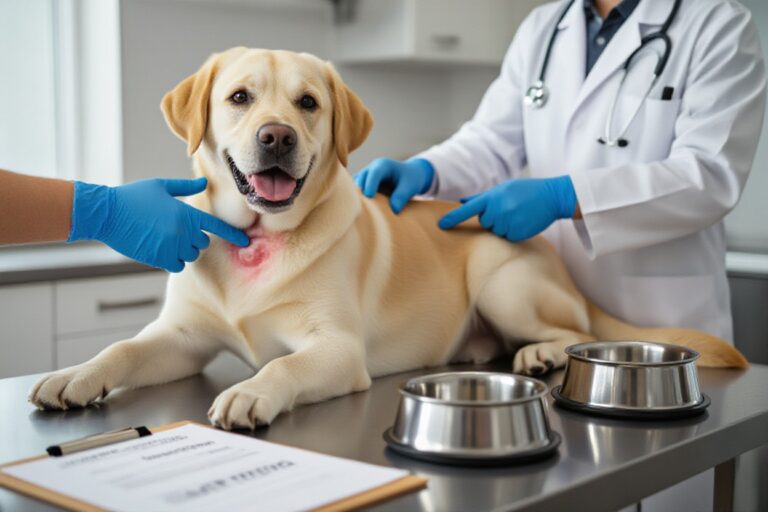
Always start with a professional assessment. Your pet will be checked by your vet in terms of its health and current weight. They will exclude any medical reasons, such as thyroid disease.
The vet will also suggest a realistic target weight. It is equally bad to lose weight rapidly as it is to remain overweight. Slow and steady is the way to go.
Step 2: Weigh Each Meal
Quit estimating serving sizes. Always use a measuring scale or a measuring cup. A little extra each day will make a big difference in weight gain in months.
Read your pet food bag’s feeding guide. However, keep in mind only general guidelines. Your veterinarian can provide you with more accurate quantities.
Step 3: Select a Balanced Pet Diet
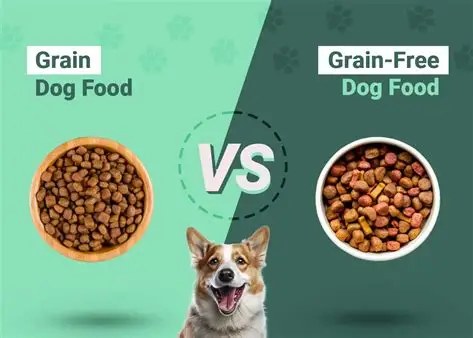
A healthy weight is based on a balanced diet for pets. Find low-fat, high-protein foods and beverages that are weight-saving. Foods with too many fillers or other artificial additives should be avoided.
Cats can be made to feel fuller and with fewer calories through wet food. Dry food is easy-going yet high in calories. A mix of the two is effective for most cats.
In the case of dogs, it is best not to feed on table leftovers. Fats and sodium are usually hidden in human food. These are the causes of weight gain and digestive issues.
Step 4: Reduce Treats and Replace Smartly
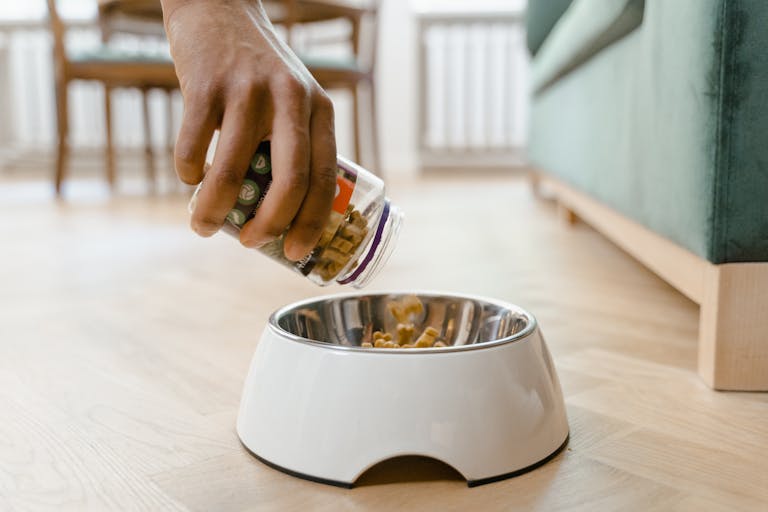
Snacks may contribute a big percentage of calories in a day. Switch to low-calorie options like baby carrots or cucumber slices for dogs. Instead, use small portions of their normal kibble as rewards.
Consider treats as part of the daily calorie intake. A lot of pet owners fail to do this. It is one of the most common mistakes in pet weight management.
Step 5: Increase Daily Activity
Exercise is just as important as diet. Start slow if your pet has been inactive for a while. The frequent and short activity is preferable to the infrequent and long activity.
In the case of dogs, exercise is important at least twice a day. You may gradually increase your dog’s physical activities over a period of a few weeks. Yard time is a fast addition.
Interactive toys are effective with cats. Puzzle feeders, feather wands, and laser pointers promote movement. Even active play for 10-15 minutes a day is helpful.
Veterinary Support in Pet Weight Management
Professional advice from the veterinarian is important. Vets are able to keep a check on weight loss and re-work plans. They identify complications even before they escalate into serious issues.
Weigh-ins at the clinic will keep your pet on track. The majority of vets will provide free or low-cost weight checks in between appointments. You can use this as frequently as you want.
Practical Advice to be Consistent
The most difficult aspect of any weight loss is consistency. The following are some of the easy tips to keep up with:
- Diary of feeding during the initial weeks
- Establish a feeding routine and adhere to it daily
- Inclusion of all family members in the plan
- Do not feed because you feel like it
- Play is not a treat to celebrate progress
Small things lead to big outcomes in the long-term. The health of your pet directly depends on your commitment.
Conclusion
The management of pet weight is not restrictive. It involves providing your pet with the best life. Good weight translates to increased energy, reduced pain, and increased years together.
Begin with one little change today. Weigh your pet’s food at night. Make a vet appointment this week. Each good action will bring your pet nearer to good health.
It is up to you to make these decisions when it comes to your pet. A healthier life is definitely within reach with the appropriate diet, routine, and veterinary help.
Frequently Asked Questions (FAQs)
What can I do to understand whether my pet is at a healthy weight?
Apply the Body Condition Score (BCS) method. You should be able to feel the ribs of your pet without applying too much pressure. Their waist should be seen from above, and their belly should be pulled slightly in towards the sides.
What is the rate at which my pet should lose weight?
Pets are not supposed to lose more than 1 to 2 percent in a week. Rapid weight loss may lead to severe health problems. Always adhere to a timeline that is approved by the vet.
Can I simply half the amount of food for my pet so that they can become thin?
No, you should not cut their food in half without the help of a veterinarian. Your pet may end being deprived of some necessary nutrients. Gradually and safely cut down on portions with advice from your vet.
Do you think weight management pet foods should be purchased?
Yes, numerous weight management recipes are made particularly with fewer calories. They are still fully nutritious.
My cat will not exercise. What can I do?
Test various interactive toys and see which ones your cat is motivated by. They are made to work to get food by puzzle feeders, which adds inherent activity. Even brief spurts of playtime a few times a day count.
Does stress lead to weight gain in pets?
Yes, stress may influence eating habits and activity levels among pets. When some animals are anxious, they eat more. Others get dormant and use fewer calories in the daytime.
If you are interested in the veterinary field and passionate about helping pets and keeping them healthy, consider exploring veterinary assistant jobs.