What to Feed a Dog With Diarrhea
It is stressful to know that your dog has diarrhea. Whether it’s a sudden diagnosis or something is building up for days, it’s worrisome. You are cleaning up messes and do not know what to do next, then you are at the right place.
In this situation, most dog parents have only one question: Whether they should feed their dog or not. If yes, what should they give them that eases the situation?
This blog will walk you through all your concerns, and by the end of the blog, you will have a clear understanding of what to do.
Understanding Diarrhea in Dogs
Regularly, the dog poo is long and firm. In case of diarrhea, it must be runny or watery. The condition could happen due to several reasons.
Causes of Diarrhea
The following are the major reasons that cause diarrhea in dogs:
- Dietary Carelessness: Your dog is eating garbage, table scraps, or spoiled food.
- Sudden Diet Changes: You are continuously switching the dog food brand from one to another
- Infections: Giardia, hookworms, coccidia, or bacteria like Salmonella caused the infection.
- Stress: Your dog is triggered by travel, a new routine, or a change in environment, causing him anxiety.
- Medical Conditions: Irritable bowel disease (IBD), pancreatitis, colitis, or kidney disease might be causing diarrhea.
Symptoms of Diarrhea
The following are the indications that your dog has diarrhea:
- Stool Changes: Extremely watery or loose stools.
- Behavioral Signs: Frequent defecation, straining, or more accidents in the house.
- Color Changes: Mucus or blood in stool
- Other Symptoms: Loss of appetite, dehydration, bloating, vomiting, abdominal pain, or lethargy.
Dog Diarrhea Diet: Why Food Choices Matter
The first step is to stop giving them treats and bones so their digestive system can recover. Ensure that your dog has access to clean water always to prevent dehydration. In case dehydration persists, try giving the following to your dog:
- Unflavored Pedialyte
- IV Fluids
- Subcutaneous Fluids
What to Feed a Dog With an Upset Stomach
If an upset has caused diarrhea, then the following food should be given to your dog to alleviate the condition.
- Plain rice
- Porridge oats
- Carrots
- White or sweet potatoes
- Plain scrambled egg
Start with just one or two tablespoons or 1 tbsp/meal/pound of the dog’s bodyweight, just to check if their stomach can withstand the incoming food or not. If yes, feed the same every 2-3 hours.
Best Food for Dogs With Diarrhea (Vet-Recommended Options)
If your dog has been diagnosed with chronic gastrointestinal conditions or IBS, then it is mandatory to feed your dog vet-recommended food. The following are the most common ones in such conditions:
- Hill’s Prescription Diet i/d
- Royal Canin Gastrointestinal Low Fat
- Purina Pro Plan Veterinary Diets EN
Along with the above foods, vets often recommend probiotics as well, which are as follows:
- Purina FortiFlora
- Nutramax Proviable
- Visibiome Vet
These foods are designed to specifically help dogs minimize intestinal inflammation, support gut health, and provide optimal nutrition during recovery. Veterinary professionals often stay updated on such treatment approaches through veterinary webinars, where evolving dietary and gastrointestinal care strategies are discussed.
Bland Diet for Dogs
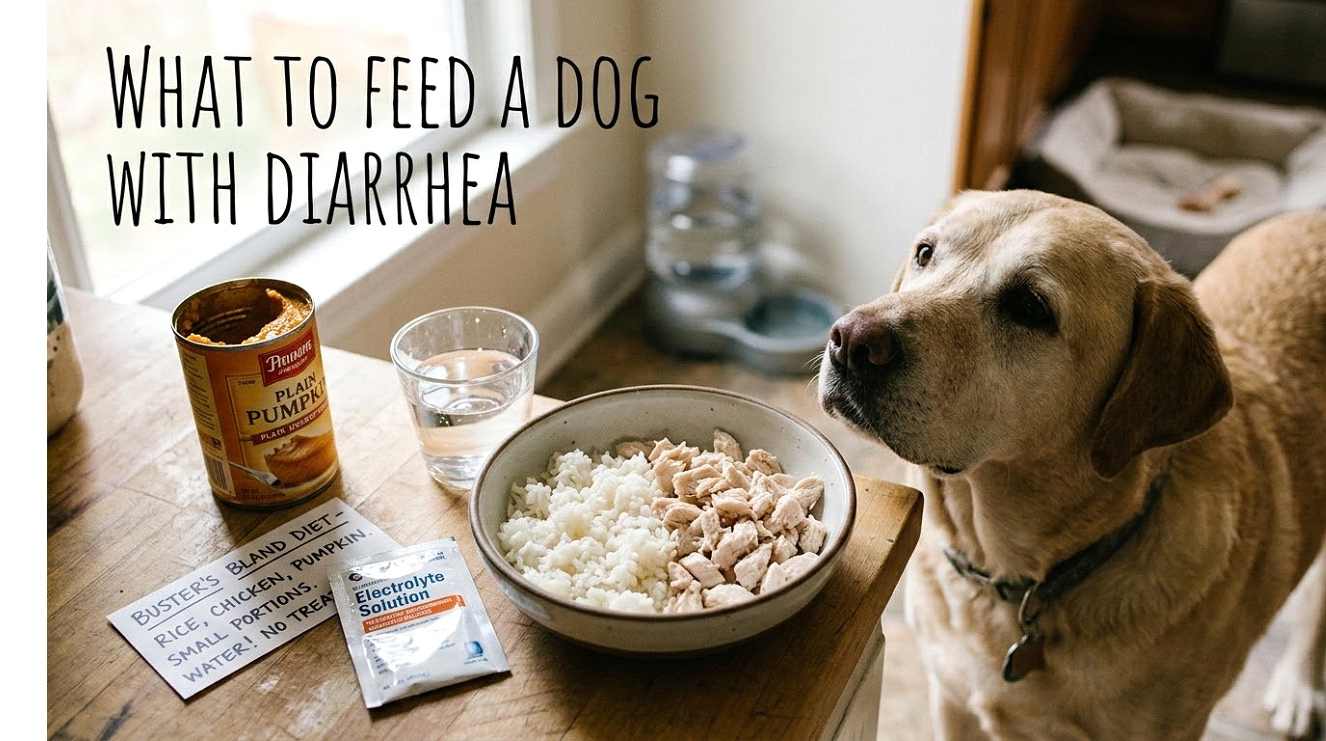
A bland diet could be extremely beneficial for the dogs with diarrhea. It is also helpful during the fasting period of dogs, as long as they are not showing aggressive diarrhea symptoms. A bland diet does not upset the digestive system and can help with recovery. The following foods are good to give during a bland diet:
- Probiotics
- Fiber additives
- Canned pumpkin
- Boiled lean chicken
- Boiled lean hamburger with rice
Fasting combined with a bland diet is the best combination for healing. Most vets recommend a bland diet for 3-5 days for optimal results.
As your dog begins to improve, you’ll want to gradually transition back to their regular food over 5–7 days:
- Days 1–2: 75% bland diet / 25% regular food
- Days 3–4: 50% bland / 50% regular
- Days 5–6: 25% bland / 75% regular
- Day 7: Return to 100% regular food, assuming stools are firm
Foods You Should Never Feed a Dog With Diarrhea
The following are some of the foods that you should not give to your dog, as they will worsen the condition and cause a delay in healing.
- Spicy, greasy, or seasoned food
- Dairy products or cheese
- Raw foods or bones
- Scraps or fatty meat
- Store-bought treats
When to See a Vet for a Dog With Diarrhea
People usually take their dogs to the vet in worse conditions after trying home remedies. While acute or mild diarrheas can be managed at home, in severe conditions a vet visit is necessary. You should immediately visit the vet in cases of any of the following situations:
- Diarrhea combines with vomiting
- Signs of shaking, shock, or collapse
- Didn’t eat anything in the past 12 hours
- Ingestion of any object, toxin, or human medicine
- Red, black, or tarry stool
- Diarrhea lasting longer than 24-36 hours
Behind every accurate diagnosis and treatment plan are trained professionals—many of whom build their experience through diverse clinical roles and veterinary jobs that expose them to a wide range of cases, including digestive disorders in dogs.
Tips to Prevent Diarrhea in Dogs
There is no rule of thumb for prevention, but implementing the following tips can reduce the chances of dog diarrhea:
- Feed them a high-quality diet
- Don’t change their food brand quite often or suddenly
- Keep them vaccinated
- Maintain a clean environment around them, or in general
- Keep garbage and human medication out of sight
Conclusion
Diarrhea is far from pleasant, but it’s likely even more uncomfortable for your dog as well. Following the above steps and gentle reintroduction of food (from one of those foods listed above) is the best course of action to help soothe your dog’s upset stomach or diarrhea. If you have any concerns, then the most obvious thing to do is to ask your local veterinarian for advice. Staying informed and connected with professionals through reliable veterinary platforms can help you make better decisions for your dog’s health.
FAQs
How much chicken and rice should I feed my dog with diarrhea?
It depends on the weight and breed of your dog; you should always begin with less than you would normally feed your dog at a mealtime, as this will give your dog time to re-adjust to the food. When it comes to the ratio, a 50% carbohydrate and 50% protein ratio is preferred.
Is scrambled egg good for dogs with diarrhea?
Yes! Plainly cooked scrambled eggs can certainly be good for diarrhea in dogs.
Is pasta good with dogs with diarrhea?
Your dog can eat plain-cooked pasta, such as macaroni, with diarrhea. The reason is that pasta is prepared using simple and bland ingredients that are not likely to cause any irritation to the GI tract of a dog.
Which is better between rice and oatmeal as a dog food for diarrhea?
Both are good sources of fiber and are easy to digest, and it will probably depend on your dog’s preferences.
How do I know when I should be worried about my dog’s diarrhea?
A one-off episode of diarrhea isn’t something to cause undue levels of concern, but if such episodes persist for more than a day, for instance, or the diarrhea is being experienced in combination with other worrying symptoms such as vomiting, then that’s when you should get a veterinarian involved.