
Raw, Fresh, or Freeze-Dried Food: Which Is Best for your dog?
Selecting a suitable diet for your dog can be confusing. Today, pet owners face an abundance of options, including traditional kibble, raw food, fresh or cooked meal delivery services, and even freeze-dried diets. Each of these types has merits, yet this does not automatically make any one suitable for all dogs.
Therefore, what is the main difference between raw, fresh (or cooked), and freeze-dried dog foods? How do you determine which type of diet is best suited to your pet?
This article will explain the differences between raw, fresh, and freeze-dried dog foods so you can make an educated decision about selecting the best diet for your pet.
What Is Raw Dog Food?
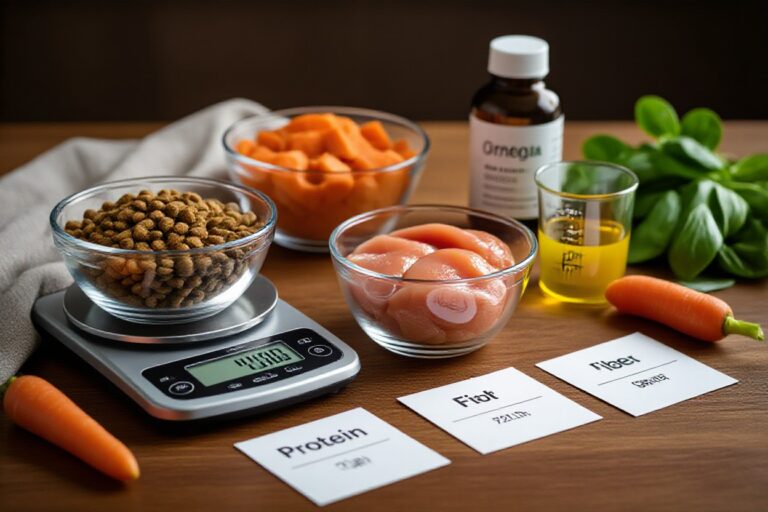
Raw dog food is made from unprocessed food. The recipe may include raw meats, organ meats, bones, eggs, vegetables, and other items depending upon what you use. Some owners want to feed their pets the least amount possible in terms of processing. Raw foods have an extremely high water content; this makes them very attractive to many dogs.
Raw pet food has many concerns. Bacteria (Salmonella, E. coli, and Listeria) can exist in unprocessed meat. If ingested by your pet, these bacteria can possibly cause illness in your pet. In addition, there is a risk of transferring these bacteria to you via food, utensils, bowls, hands, and surface areas within the kitchen.
As such, proper handling and cleaning procedures must be followed at all times if you decide to feed your pet a diet consisting of raw foods.
In addition, homemade diets require great care and planning. Simply providing your pet with meat (even including vegetables or other components) does not ensure that your pet will receive sufficient amounts of each nutrient necessary for optimal health and development.
What Is Fresh Dog Food?
Compared with traditional dry kibble, most fresh dog foods are formulated from common ingredients that include meats, vegetables, grains or carbohydrates, vitamins, and minerals.
Unlike dry kibble, most fresh dog foods contain higher amounts of moisture and typically need to be stored in either a refrigerator or freezer.
The majority of commercially available fresh dog foods are pre-cooked before being packaged. This reduces the chance of any bacterial contamination (i.e., Salmonella) and allows pet owners to purchase “fresh” pet food.
While using commercial fresh dog food may offer an alternative to traditional dry kibble options for pet owners seeking something new, it does NOT inherently guarantee that the product will meet the nutritional needs of your pet.
When you are purchasing commercial fresh dog food, make sure to purchase products that have been formulated to provide complete and balanced nutrition for your pet based on their life stage.
What Is Freeze-Dried Dog Food?
The majority of the moisture in the food is removed by freeze-drying and helps to preserve the food structure and properties. Freeze-dried pet foods may include such items as meats, organs, vegetables, fruits, etc.
A major advantage of freeze-drying food is convenience. Most of the moisture having been removed makes freeze-dried food lighter in weight and also less expensive to store and transport than either fresh or frozen foods.
Some freeze-dried products are ready for consumption without additional processing, and some have been developed for mixing with water before feeding. By adding water to the product, it will increase the amount of moisture in the diet and tend to make the food softer.
Freeze-dried is often thought of as “raw”; however, this does not always hold. Many freeze-dried products are created using uncooked (raw) ingredients. Freeze-drying alone should not be assumed to kill all harmful bacteria.
Always follow the manufacturer’s instructions regarding preparation and storage of your freeze-dried pet food.
Which Is Better for Your Dog?
There isn’t a single “best” option among frozen, fresh, and dehydrated foods. The real issue is not just about what type of processing was done to the food but whether that food provides all the nutrients your dog requires as well as being suitable for your dog’s current life stage (e.g., young pup vs. old dog) and overall health status.
Finally, you need to determine if this food is practical in terms of cost and storage space for your household.
Choosing Food for Puppies
For dogs in the process of developing into adults through rapid growth, they need nutritionally complete meals. They require adequate amounts of protein, fat, calories, vitamins, and minerals within their meal.
Large breed puppies have additional dietary needs that make a high-quality growth formula critical to proper development.
When selecting a food for your puppy, choose one that is specifically designed for growth and development. If you plan on preparing homemade raw or fresh foods for your puppy, consult with your veterinarian or a Veterinary Nutritionist before doing so to prevent nutrient deficiencies or excessive intake.
Feeding Senior Dogs
Some older dogs are less active and therefore do not require as many calories. However, there are many senior dogs that will benefit from nutritional support to aid in maintaining their muscle mass. The dental issues of old age can cause difficulty eating certain types of pet food.
For example, fresh food or rehydrated freeze-dried food may be an option for some senior pets when they cannot eat dry kibble due to dental problems. The type of food is dependent upon the needs of each pet. Dogs diagnosed with kidney disease, diabetes, gastrointestinal disorders, or any other health issue may require a special formula diet.
Food Safety Matters
Consider food safety as a factor in making an informed choice about your pet’s diet, particularly if you are evaluating raw diets.
Raw foods require proper refrigeration and sanitary preparation; wash your hands after handling raw pet food and always clean all surfaces, utensils, and bowls that have come into contact with raw food.
Generally, fresh-cooked foods will have lower bacterial risks from raw meat than fresh or frozen raw food products. Freeze-dried products can vary based upon whether the product was cooked before freezing.
Regardless of the food type, store according to the manufacturer’s recommendations for temperature and do not let food sit at room temperature for longer than it is intended.
How to Choose the Right Dog Food
When evaluating various pet food options, do not just look at the ingredients in the food and what is being advertised about the food.
Consider a product that is complete and balanced to meet your dog’s life cycle needs, and determine if the product is for puppies, adult dogs, or senior dogs. Additionally, determine if there are specific dietary needs that your dog has that will need to be met by the food.
Also evaluate your personal lifestyle. Raw diets typically require additional equipment (freezer space) and time to prepare. Typically, fresh diets need to be stored in the refrigerator. Freeze-dried diets are easier to store and transport while traveling.
Monitor your dog’s response to the new diet. Check their appetite, stool quality, energy level, body condition score, and overall health status before continuing with a new food.
How to Change Your Dog’s Food
Most pet owners do not typically switch their pets’ diets all at once. Gradually transitioning to a new diet can greatly minimize gastrointestinal disturbances in the process.
Begin by combining a minimal portion of the new food with the current food being consumed. Increase the ratio of the new diet while continuing to provide an opportunity for your pet to eat.
If you begin to notice signs such as diarrhea, vomiting, loss of appetite, or anything else that seems abnormal, consult your veterinarian immediately if these issues continue.
What About Cats?
Although raw, fresh and freeze-dried foods are also available for cats, cats have different nutritional requirements from dogs.
Cats are obligate carnivores and require specific nutrients, including taurine, preformed vitamin A, and arachidonic acid. For this reason, cat food should be specifically formulated for cats rather than simply using dog food.
The same general principles apply: choose nutritionally complete food, consider the individual animal’s health needs, and take appropriate precautions when handling raw products.
The Bottom Line
When properly formulated and suited to the individual animal, raw, fresh, and freeze-dried dog foods can provide an acceptable alternative to traditional dog foods.
Some owners prefer to offer raw foods to their animals because it often appears less processed than other dog foods; however, raw foods do present additional concerns regarding proper food preparation and food safety.
Fresh foods provide higher amounts of moisture and more easily identifiable ingredients, whereas freeze-dried foods offer convenience, ease of storage, and longer shelf life.
Regardless of whether the dog food you select is the most expensive or has been through the fewest processing steps, the “best” dog food provides complete and balanced nutrition based upon the individual needs of your dog and can be prepared in a way that ensures food safety.
If you are unsure what type of food would be the best choice for your dog, you should consult with your veterinarian before making significant changes to your pet’s diet.